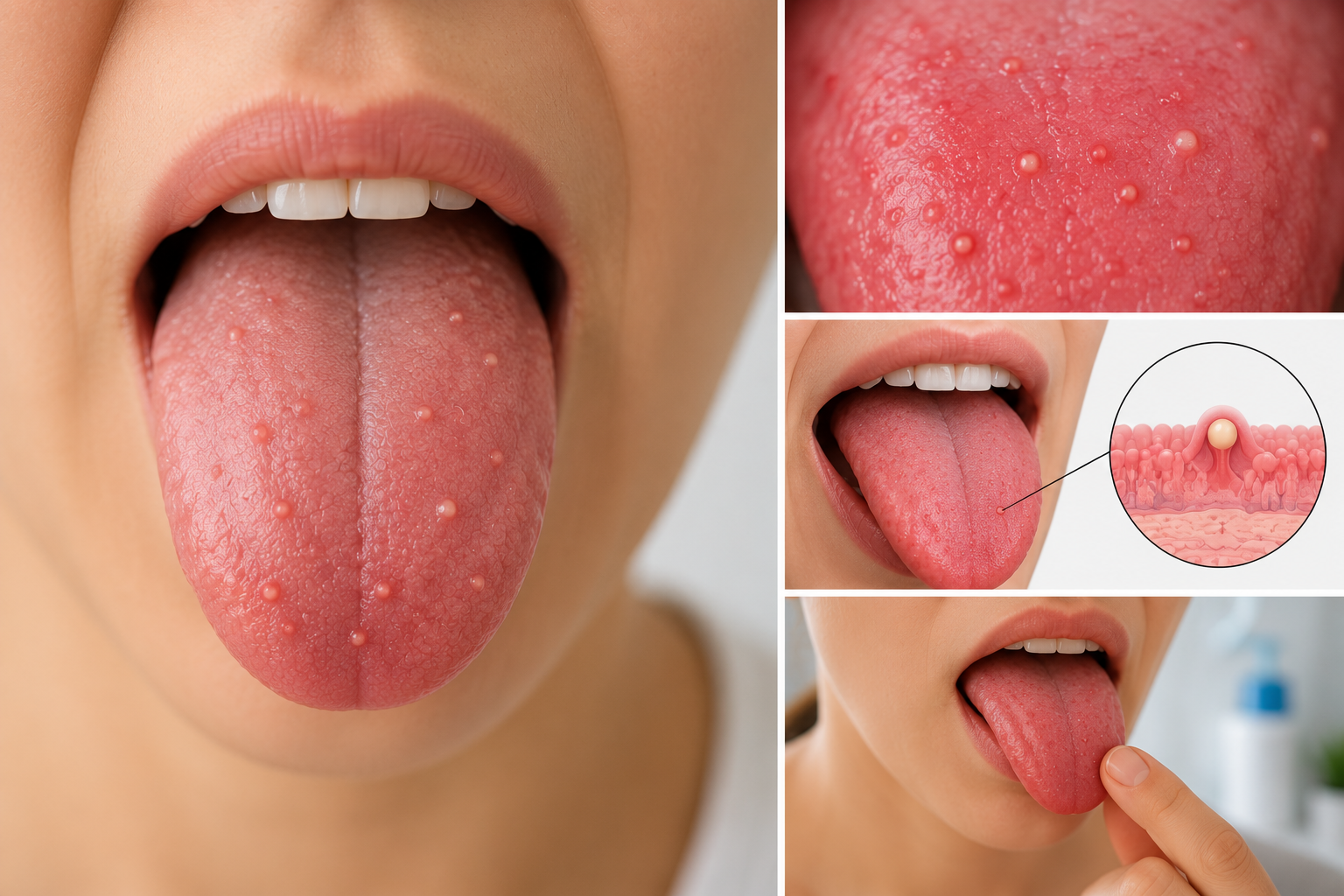
Many people ask, do you get pimples on your tongue, after noticing a small red or white bump while eating or brushing their teeth. The short answer is that the tongue cannot develop true pimples the way skin does, because it has no pores or oil glands to get clogged. However, several harmless and a few concerning conditions can create bumps that look and feel very similar to a pimple. These bumps are usually caused by irritated taste buds, minor injuries, canker sores, or mild infections. Most of them clear up within a few days without any special treatment, but understanding the cause helps you know when home care is enough and when a dentist or doctor should take a look.
Can You Actually Get Pimples on Your Tongue?
The tongue is made of muscle and mucous membrane, not skin, so it physically cannot form a pimple in the medical sense. What people call a tongue pimple is almost always a swollen papilla, a sore, or a small cyst.
Why the Tongue Doesn’t Get True Acne
Acne forms when hair follicles and oil glands under the skin become blocked with sebum and dead cells. The surface of the tongue has neither hair follicles nor sebaceous glands, so the biological process that causes facial or body acne simply cannot happen on the tongue. Instead, any bump you see comes from a different tissue reaction.
What People Usually Mean by Tongue Pimples
When someone searches for do you get pimples on your tongue, they are usually describing a small raised bump on the surface or edge of the tongue that is tender or visible when talking or eating. These bumps are typically enlarged papillae, mouth ulcers, or fluid-filled sacs rather than actual pimples, even though the appearance is similar enough to cause confusion.
Common Causes of Pimple-Like Bumps on the Tongue
Several everyday factors can trigger these bumps, ranging from minor food irritation to infections. Knowing the specific cause makes it much easier to choose the right home remedy or decide whether a professional opinion is needed.
Transient Lingual Papillitis (Lie Bumps)
This is the single most common reason people notice pimple-like spots on the tongue. It happens when one or more of the small papillae become inflamed and swollen, often after eating spicy or acidic food, biting the tongue, or during periods of stress. The bumps are usually white or red, mildly painful, and disappear within two to three days without treatment.
Canker Sores (Aphthous Ulcers)
Canker sores appear as small, round sores with a white or yellow center and a red border. They are not contagious and are often linked to minor mouth injury, hormonal changes, certain foods, or a weakened immune response. They tend to be more painful than lie bumps and can take one to two weeks to heal fully.
Enlarged or Inflamed Papillae
Beyond lie bumps, papillae can also swell due to prolonged irritation from rough foods, teeth grinding, or ill-fitting dental appliances. The swelling is usually localized to one area and settles once the source of irritation is removed.
Oral Thrush (Fungal Infection)
Oral thrush is caused by an overgrowth of Candida fungus and shows up as creamy white patches rather than a single bump, though early patches can resemble small pimples. It is more common in babies, older adults, people with diabetes, and those using inhaled steroids or recovering from antibiotic use.
Mucoceles (Salivary Gland Cysts)
A mucocele forms when a minor salivary gland duct gets blocked or injured, causing saliva to pool under the surface and create a soft, dome-shaped, fluid-filled bump. Unlike a pimple, a mucocele is usually painless and can persist for weeks unless the fluid is drained.
Trauma or Burns from Hot or Sharp Food
Accidentally biting the tongue or eating something too hot can damage the surface tissue, leading to a small raised area as the tongue heals. These trauma-related bumps are generally tender to touch and resolve on their own within a few days.
Allergic Reactions
Certain foods, toothpaste ingredients, or mouthwash chemicals can trigger a mild allergic response on the tongue, leading to swelling, redness, or small raised bumps. Identifying and avoiding the trigger usually resolves the issue quickly.
Symptoms to Watch For
Most tongue bumps are harmless, but paying attention to accompanying symptoms helps you judge whether the issue needs medical evaluation. The table further below breaks these differences down by condition.
Normal or Harmless Signs
A single small bump, mild tenderness only when touched, and improvement within two to three days are all signs of a minor, self-limiting issue such as a lie bump or small trauma spot. These cases rarely need more than basic home care.
Warning Signs That Need Medical Attention
A bump that grows larger, bleeds without cause, does not heal after two weeks, or is accompanied by fever, difficulty swallowing, or spreading white patches should be checked promptly. These signs can point to an infection or a condition that needs professional treatment rather than home remedies.
Comparison of Common Tongue Bump Types
| Condition | Appearance | Pain Level | Typical Duration | Main Cause |
| Lie Bumps | Small red or white raised dots | Mild | 2 to 3 days | Irritation, stress |
| Canker Sore | Round white sore, red border | Moderate | 7 to 14 days | Minor injury, immune response |
| Oral Thrush | Creamy white patches | Mild to moderate | Until treated | Fungal overgrowth |
| Mucocele | Smooth, soft, dome-shaped | Usually painless | Weeks, until drained | Blocked salivary duct |
| Trauma Bump | Single raised sore spot | Mild to moderate | 3 to 5 days | Biting, burns |
Home Remedies and Self-Care Tips
Simple home care resolves the majority of tongue bump cases, especially when the cause is irritation, minor trauma, or a common lie bump. The steps below are easy to follow and use ingredients most people already have at home.
Saltwater Rinses
Rinsing with warm salt water two to three times a day helps reduce inflammation and keeps the area clean, which speeds up healing for canker sores and lie bumps alike. Dissolve half a teaspoon of salt in a cup of warm water and swish gently for thirty seconds.
Avoiding Irritants
Cutting back on spicy, acidic, salty, or extremely hot foods gives the tongue tissue a chance to recover without repeated irritation. Tobacco and alcohol-based mouthwashes should also be avoided until the bump has fully healed.
Cold Compresses or Ice Chips
Sucking on ice chips or holding a cold compress near the affected area can numb discomfort and reduce swelling, particularly for bumps caused by burns or minor trauma. This also helps limit further irritation while eating.
Over-the-Counter Options
Topical oral gels, antiseptic mouth rinses, and mild pain relievers can ease discomfort while the bump heals naturally. Anti-fungal lozenges or rinses are useful only when a doctor has confirmed oral thrush as the cause.
When to See a Doctor or Dentist
While most bumps clear up on their own, certain situations call for professional evaluation rather than continued home treatment. The two categories below outline when it is time to book an appointment.
Bumps Lasting Longer Than Two Weeks
Any bump, sore, or patch that has not improved after fourteen days should be examined by a dentist or doctor, since prolonged healing time can indicate an underlying condition that needs targeted treatment rather than home remedies.
Signs of Infection or Spreading Lesions
Pus, spreading white patches, worsening redness, or a bad taste in the mouth alongside the bump are signs of infection that typically require antifungal or antibiotic treatment prescribed by a professional.
Persistent Pain, Bleeding, or Difficulty Swallowing
Ongoing pain that disrupts eating or speaking, unexplained bleeding, or trouble swallowing are symptoms that should never be ignored, as they may point to a more serious oral health issue requiring prompt medical attention.
Prevention Tips
Reducing how often these bumps appear largely comes down to consistent oral hygiene and mindful eating habits. The following practices lower the risk of irritation-related tongue bumps over time.
Oral Hygiene Habits
Brushing the tongue gently during regular brushing, using a soft-bristled toothbrush, and rinsing after meals all help prevent the buildup of bacteria that can lead to irritation or infection on the tongue’s surface.
Dietary Adjustments
Limiting extremely spicy, acidic, or scalding hot foods reduces the chances of triggering lie bumps or minor burns. Staying hydrated also keeps the mouth’s natural defenses working properly.
Stress Management
Since stress is a recognized trigger for transient lingual papillitis, simple habits like adequate sleep, regular exercise, and relaxation techniques can indirectly reduce how often lie bumps occur.
Frequently Asked Questions
Are tongue pimples contagious?
Most tongue bumps, including lie bumps and canker sores, are not contagious. Oral thrush can spread in specific situations, such as breastfeeding, but is not passed through casual contact.
Can stress cause bumps on the tongue?
Yes, stress is a well-documented trigger for transient lingual papillitis and can also worsen canker sore flare-ups in people who are prone to them.
Is a white bump on the tongue cancer?
The vast majority of white bumps are harmless and related to irritation, infection, or minor injury. A bump that does not heal within two to three weeks should be checked by a doctor to rule out anything serious.
How long do lie bumps last?
Lie bumps typically resolve within two to three days on their own, especially once the irritating food or stress trigger is removed.
Can children get tongue bumps?
Yes, children can develop the same types of bumps as adults, with oral thrush and trauma-related bumps being particularly common in younger age groups.
Conclusion
So, do you get pimples on your tongue in the truest sense? Not exactly, since the tongue lacks the pores and oil glands needed to form real acne.
What most people experience instead is a lie bump, canker sore, mucocele, or minor injury, and nearly all of these heal within a couple of weeks with basic home care.
Paying attention to how long a bump lasts, how much it hurts, and whether it comes with other symptoms is the best way to decide between self-care and a dental or medical visit.
RELATED ARTICLES
EZ Gel Under Eye: A Complete Guide to Natural Under-Eye Rejuvenation
Can a DEXA Scan Show Cancer? What It Can and Cannot Detect
Do You Gain Weight During Your Period? Causes, Truth & Simple Tips to Feel Better
How Do You Know If Your Foot Is Broken? Complete Guide to Signs and Symptoms
How to Fix a Loose Tooth: Causes, Treatments, and When to See a Dentist