



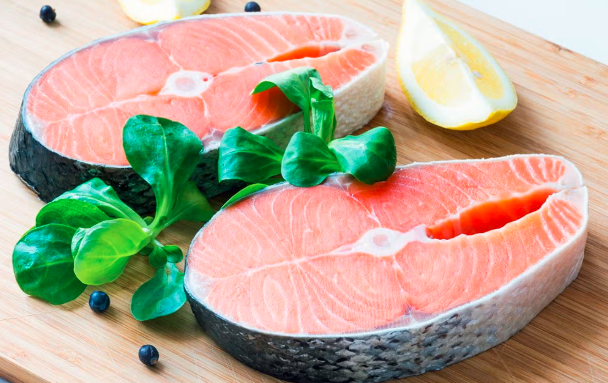
If you’ve ever stood in a grocery store wondering whether salmon or tuna has a place in your new vegan lifestyle, you’re not alone. The answer is no — a strict vegan diet excludes all animal products, including fish and seafood, because veganism is fundamentally rooted in avoiding the exploitation of animals in any form.
The confusion is understandable. Fish is widely marketed as a lean, heart-healthy protein, and many people transitioning to plant-based eating genuinely wonder if it’s an exception to the rule. But from a vegan standpoint, fish are living, sentient animals — and that’s where the line is drawn. The reasoning extends well beyond personal food choices and touches on ethics, environmental responsibility, and long-term health.
In this complete guide, you’ll learn exactly what veganism means, why fish is off the table, how a plant-based diet can fully meet your nutritional needs, and which delicious alternatives come closest to replicating that seafood experience — without harming any animals.
What Is a Vegan Diet?
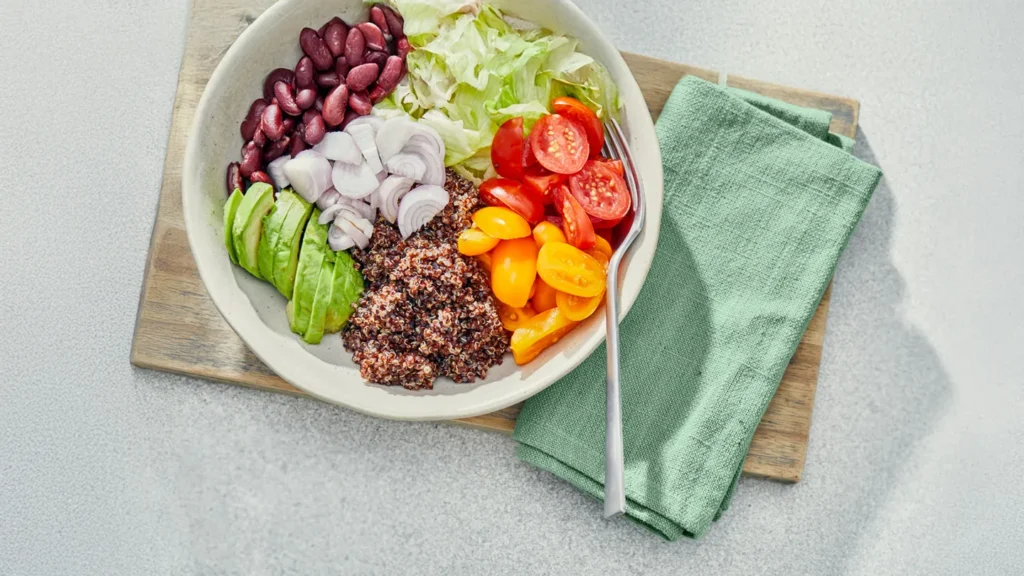
A vegan diet is a fully plant-based way of eating that eliminates all animal products — not just meat, but also dairy, eggs, honey, and yes, fish.
More than a diet, veganism is a lifestyle philosophy centered on reducing harm to animals, lowering one’s environmental footprint, and making conscious choices about food and consumption.
People choose veganism for different reasons — ethics, health, climate change — but they all share one common thread: avoiding animal exploitation entirely.
What Vegans Eat?
Despite what many people assume, a vegan diet is far from restrictive. Vegans enjoy a rich, colorful variety of whole foods, including:
- Fruits and Vegetables: Fresh, frozen, or dried produce packed with vitamins C and K, dietary fiber, and powerful antioxidants that support immunity and cell health
- Grains and Legumes: Whole grains and legumes like brown rice, oats, quinoa, lentils, chickpeas, and black beans — excellent sources of complex carbohydrates, plant-based protein, and iron
- Nuts and Seeds: Almonds, walnuts, chia seeds, flaxseeds, hemp seeds, and sunflower seeds — rich in healthy omega-3 fats, magnesium, zinc, and vitamin E
What Vegans Avoid?
To stay true to vegan principles, all foods derived from animals — directly or indirectly — are excluded. This often surprises beginners who assume honey or certain dairy alternatives are acceptable:
- Meat: Chicken, beef, pork, lamb, and all land-based meats
- Fish & Seafood: All types of fish, shrimp, crab, lobster, shellfish, and ocean-derived animal products
- Dairy Products: Cow’s milk, cheese, butter, cream, and yogurt
- Eggs and Honey: Even though they seem less harmful, both are still animal-derived products
Can You Eat Fish on a Vegan Diet?
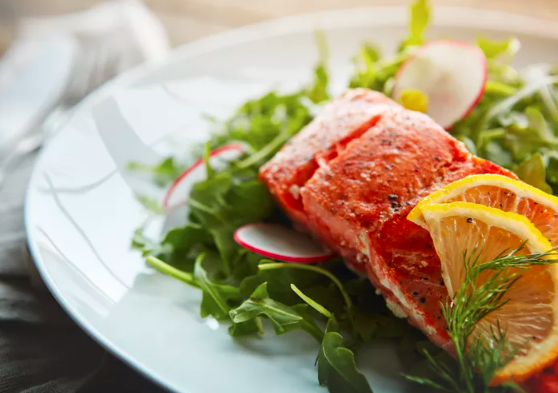
No — fish is not permitted on a vegan diet under any circumstances. Since fish are animals, consuming them directly contradicts the foundational principle of veganism, which is to avoid causing harm to or exploiting any living creature. This applies whether the fish is wild-caught, farm-raised, or even labeled ‘sustainable.’
Many people assume fish might be an exception because it’s promoted heavily as a health food. But from a vegan perspective, the nutritional value of fish is irrelevant — what matters is that a fish is a living being, capable of experiencing stress and pain, and killing it for food conflicts with vegan ethics. Fortunately, plant-based science has advanced enough that every key nutrient found in fish can now be obtained from non-animal sources.
Do Vegans Eat Fish or Seafood?
No — vegans do not eat fish, seafood, or any ocean-derived animal product. This includes shrimp, crab, lobster, clams, mussels, oysters, and shellfish of all kinds. Even products like fish sauce, anchovies in Caesar dressing, or seafood-flavored snacks are avoided, since they are still derived from marine animals.
Many people feel confused about this because fish is often seen as ‘different’ from other meats — associated with lighter eating and health benefits. However, from a vegan perspective, the species of the animal is irrelevant. What matters is that fish are sentient living beings, and their consumption involves harm. For this reason, vegans consistently choose plant-based seafood alternatives instead.
Why Don’t Vegans Eat Fish?
Vegans avoid fish for three deeply interconnected reasons: animal ethics, environmental impact, and health concerns. Each of these goes well beyond a simple dietary preference.
Animal Ethics
Fish are sentient beings — scientific research, including studies published in journals like Fish and Fisheries, confirms that fish have nociceptors (pain receptors) and exhibit stress responses similar to land animals.
They can feel fear, pain, and distress. Veganism is built on the philosophical position that no sentient creature should be harmed or exploited for human benefit, which makes the consumption of fish — regardless of how humanely caught — incompatible with vegan ethics.
Environmental Impact
The environmental cost of fishing is staggering. According to the Food and Agriculture Organization (FAO), over 35% of global fish stocks are currently overfished — a figure that has tripled since the 1970s.
Industrial trawling devastates coral reef ecosystems, and bycatch — the accidental capture of non-target species like sea turtles, dolphins, and seabirds — accounts for an estimated 40% of total global catch annually. For environmentally conscious vegans, these facts make fish consumption an ethical impossibility, not just a dietary preference.
Health Reasons
While fish is promoted as a health food, it carries real contamination risks that are often underreported. Mercury — especially in larger species like tuna, swordfish, and shark — can accumulate in body tissue over time and is linked to neurological damage, particularly in pregnant women and children.
The EPA and FDA both issue consumption advisories for high-mercury fish. Beyond mercury, a 2018 study found microplastics in 73% of fish sampled from the deep Atlantic — meaning every serving potentially contains plastic particles whose long-term health effects are still being studied. Plant-based alternatives carry none of these risks.
Vegan vs Vegetarian vs Pescatarian: Key Differences
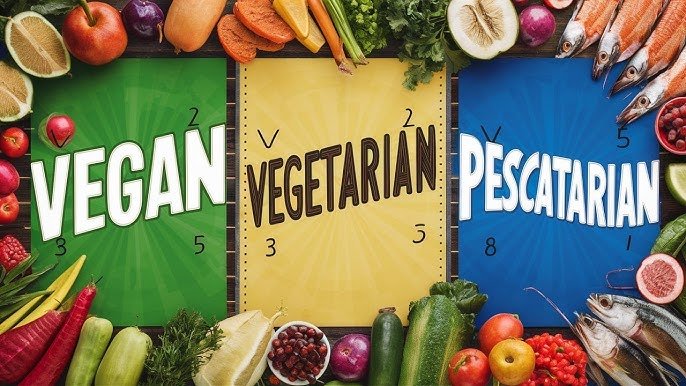
Understanding the difference between these three diets is essential, especially for beginners who may assume they’re interchangeable. The inclusion of fish is one of the most significant distinctions:
- Vegan: Eliminates all animal products without exception — meat, fish, dairy, eggs, honey, and often non-food animal products like leather and wool
- Vegetarian: Avoids all meat and fish, but typically consumes dairy products and eggs (also known as lacto-ovo vegetarian)
- Pescatarian: Follows a vegetarian-style diet but includes fish and seafood; avoids land-based meats like beef, pork, and chicken
The comparison table below makes these distinctions clear at a glance:
| Diet Type | Meat | Fish & Seafood | Dairy | Eggs |
| Vegan | ❌ No | ❌ No | ❌ No | ❌ No |
| Vegetarian | ❌ No | ❌ No | ✅ Yes | ✅ Yes |
| Pescatarian | ❌ No | ✅ Yes | ✅ Yes | ✅ Yes |
This comparison confirms that fish is exclusive to the pescatarian diet. Both vegans and vegetarians avoid it entirely, though for different reasons and with different levels of overall restriction.
Best Vegan Alternatives to Fish
Missing fish doesn’t have to mean missing out. Today’s plant-based food innovation has produced remarkably convincing seafood alternatives — from flaky banana blossom to ocean-flavored seaweed — that satisfy cravings while keeping your diet fully vegan. Here are the top options:
Banana Blossom — Best for Fish-Like Texture
Banana blossom is the single best fish substitute for texture. Its naturally flaky, layered structure pulls apart just like cooked white fish, and it absorbs marinades beautifully. Season it with nori powder, lemon juice, garlic, and smoked paprika, then pan-fry or bake for incredible vegan fish and chips or Baja-style tacos. Look for it canned in brine at most Asian grocery stores or online.
Tofu and Tempeh — Best for Protein
Both tofu and tempeh are protein powerhouses that adapt well to seafood-inspired preparations. Extra-firm tofu, when pressed and crumbled, mimics the flakiness of white fish fillets — marinate overnight in a mix of nori, tamari, lemon, and liquid smoke for maximum ocean flavor. Tempeh’s firmer, nuttier bite works especially well in fish cakes or grilled ‘tuna’ steaks. A 100g serving of tofu provides approximately 8g of protein, making it a nutritionally competitive swap.
Jackfruit — Best for Shredded Fish Dishes
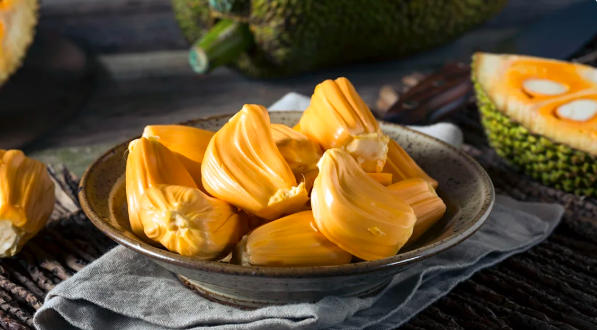
Young green jackfruit has a naturally fibrous, shredded texture that works exceptionally well as a substitute for flaky fish. It’s commonly used in vegan tacos, sandwiches, and curries. While its base flavor is mildly sweet, it takes on savory seasonings very effectively — pair it with Old Bay seasoning and lemon for a crab cake-style patty.
Hearts of Palm — Best for Crab or Lobster Texture
Hearts of palm have a tender yet slightly firm, stringy texture that closely resembles crab meat or lobster. They are particularly popular in vegan crab cakes, fish-style patties, and ‘lobster’ rolls. Season with Old Bay, capers, and lemon for an authentic seafood profile.
Seaweed — Best for Ocean Flavor
Seaweed doesn’t mimic fish texture, but it delivers the distinct oceanic flavor that makes seafood dishes unique. Varieties like nori, kelp, wakame, and dulse are used in soups, sushi rolls, salads, and as seasoning. Combine seaweed with tofu or banana blossom for both texture and flavor — the perfect combination for convincing plant-based fish dishes.
Key Nutrients Found in Fish — and Their Vegan Equivalents
One of the most common concerns about going vegan is whether all the specific nutrients found in fish can be replaced. The answer is yes — every single one. The table below shows the direct plant-based equivalents:
| Nutrient | Why It Matters | Fish Source | Vegan Alternative |
| Omega-3 (ALA) | Heart & brain health | Salmon, mackerel | Flaxseeds, chia seeds, walnuts |
| Omega-3 (DHA/EPA) | Brain function, inflammation | Fatty fish | Algae oil supplements ⭐ |
| Protein | Muscle repair, energy | All fish | Lentils, tofu, tempeh, chickpeas |
| Vitamin D | Bone health, immunity | Salmon, tuna | Fortified plant milk, cereals, sunlight |
| Iodine | Thyroid function | Seafood, cod | Seaweed (nori, kelp, dulse), iodized salt |
| B12 | Nerve health, red blood cells | Fish | Fortified foods, B12 supplement |
| Zinc | Immune function | Shellfish | Pumpkin seeds, chickpeas, cashews |
Important note on Omega-3: Fish-derived omega-3 contains DHA and EPA — the forms most directly used by the body. While flaxseeds and chia seeds provide ALA (a precursor), conversion rates are low. Vegans should strongly consider an algae-based DHA/EPA supplement — this is actually the original source from which fish accumulate their omega-3 in the first place.
Conclusion
The answer is clear: fish has no place in a vegan diet, and for reasons that go far deeper than personal preference. Veganism is a principled commitment to reducing animal harm, protecting marine ecosystems, and building a healthier relationship with food and the planet.
The great news is that you don’t need fish to thrive. A well-planned vegan diet — rich in legumes, whole grains, seeds, and fortified foods — can meet every nutritional need that fish once served. With plant-based alternatives like banana blossom, algae-based omega-3 supplements, and seaweed-infused dishes, the gap between vegan eating and nutritional completeness has never been smaller.
Whether you’re just starting your plant-based journey or refining an existing vegan lifestyle, the key is informed choices — and now you have them.
Frequently Asked Questions
Can you get omega-3 without eating fish?
Yes. Flaxseeds, chia seeds, walnuts, and hemp seeds all contain ALA omega-3. For DHA and EPA — the types found directly in fish — algae-based supplements are the most bioavailable plant-based source and are exactly what fish themselves consume to accumulate omega-3.
Is sushi vegan?
Traditional sushi contains fish and is not vegan. However, many restaurants now offer vegan sushi rolls made with cucumber, avocado, pickled vegetables, and tofu — always confirm with your server before ordering.
Can vegans eat canned tuna?
No. Canned tuna is a fish product and is not vegan. A great plant-based alternative is smashed chickpea ‘tuna’ salad or shredded jackfruit seasoned with nori and lemon — both replicate the texture and appearance of canned tuna effectively.
What about fish oil supplements — are they vegan?
No. Fish oil capsules are derived directly from fish and are not vegan. Algae oil supplements provide the same DHA and EPA in bioavailable form and are fully plant-based.
Is a pescatarian diet the same as vegan?
No. A pescatarian diet includes fish and seafood, which makes it incompatible with veganism. It is closer to vegetarianism but still involves the consumption of animal products.
Can vegans eat oysters or mussels?
This is debated in vegan communities. Some argue that bivalves like oysters may lack a central nervous system capable of experiencing pain, while strict vegans avoid them as animal products. Most mainstream vegan definitions exclude all seafood, including bivalves.
Can beginners replace fish easily in a vegan diet?
Yes, absolutely. Beginners can start with easy swaps like tofu, canned chickpeas, and store-bought vegan seafood alternatives. As you become more comfortable, banana blossom, jackfruit, and seaweed-based recipes open up a whole new world of plant-based cooking.
Related Articles
Jason Health Labs: Complete Guide to Affordable Online Lab Testing Services
MyChart First Health: Complete Guide to Registration, Login, Features, Appointments, and Billing
How to Treat a Sprained Wrist Fast: Complete Informative Guide
What Causes Lower Back Pain in Females? Complete Guide with Treatment Tips
How Long Do Dental Implants Last? Real Lifespan, Success Rates & Expert Tips