
Many people wonder whether they can kneel again after knee replacement surgery. The good news is that, in most cases, kneeling on a knee replacement is considered safe and does not damage the prosthetic implant. However, during recovery, some people may experience pain, stiffness, numbness, or discomfort that can make kneeling feel difficult or uncomfortable.
In this article, we will discuss Recovery, Safety, Pain, and Tips related to kneeling after knee replacement surgery, including when it may be safe to kneel, why discomfort happens, and helpful ways to make kneeling easier and more comfortable.
What Is a Knee Replacement?
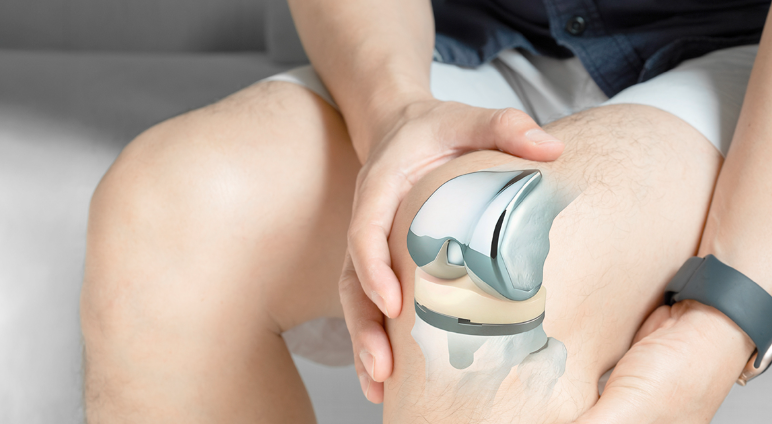
A knee replacement is a surgical procedure where damaged parts of the knee joint are replaced with artificial components. The surgery is usually recommended for people who have severe arthritis, joint damage, or long-term knee pain that affects walking and movement.
During surgery, the worn-out surfaces of the knee are removed and replaced with metal and plastic parts designed to move smoothly. The goal is to reduce pain and improve mobility.
There are two main types of knee replacement surgeries:
| Type | Description |
| Total Knee Replacement | The entire knee joint is replaced |
| Partial Knee Replacement | Only the damaged section of the knee is replaced |
Both surgeries can improve movement, but recovery experiences may differ from person to person.
Can You Kneel on a Knee Replacement?
Yes, many people can kneel after knee replacement surgery. Most doctors say kneeling does not usually damage the artificial knee joint. However, comfort levels vary greatly between patients.
Some people can kneel comfortably after recovery, while others may always feel pressure or mild discomfort. This difference often depends on healing, scar tissue, muscle strength, and sensitivity around the incision area.
Many patients are surprised that the biggest challenge is not the implant itself. Instead, the front of the knee may feel numb or sensitive when pressure is placed on it. Because of this unusual feeling, some people avoid kneeling even when the knee is medically stable.
With practice and proper rehabilitation, kneeling often becomes easier over time.
Why Kneeling Feels Difficult After Surgery

Kneeling after surgery can feel uncomfortable for several reasons. The body goes through major changes during recovery, and the knee needs time to heal.
Pain Around the Surgical Area
The front of the knee is affected during surgery. Even after healing, the tissues may remain sensitive when pressure is applied directly to the kneecap area.
Numbness Around the Incision
Some small nerves are affected during knee replacement surgery. Because of this, many people notice numbness around the scar. This numb feeling can make kneeling feel strange or uncomfortable.
Swelling and Stiffness
After surgery, stiffness can limit how far the knee bends. If the knee does not bend comfortably, kneeling may feel difficult during the early stages of recovery.
Fear and Anxiety
Many patients worry that kneeling could damage the implant. Even when doctors confirm that kneeling is safe, fear can stop people from trying it again.
Does Kneeling Damage the Artificial Knee?
One of the biggest myths about knee replacement surgery is that kneeling will damage the implant. In most cases, normal kneeling does not harm the artificial joint.
Modern knee implants are designed to handle body weight and daily movement. Walking, climbing stairs, sitting, and kneeling are generally considered safe after recovery. The discomfort patients feel is usually related to soft tissues and nerves rather than damage to the implant itself.
However, patients should still avoid sudden impact or putting excessive pressure on the knee before healing is complete.
How Long Should You Wait Before Kneeling?
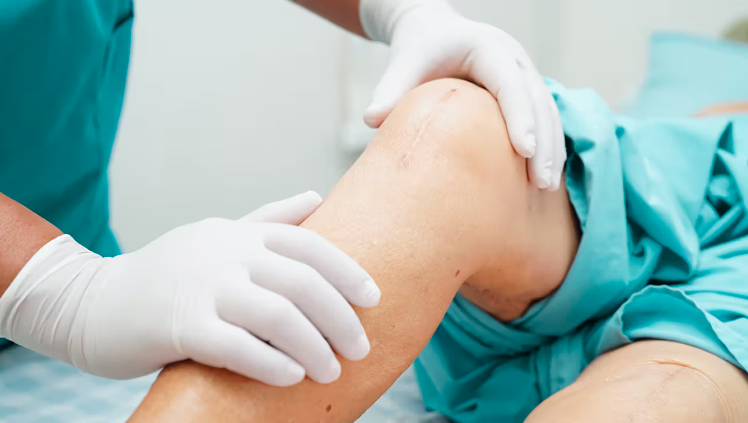
Recovery timelines are different for everyone. Some people recover faster, while others need more time to regain strength and flexibility.
In general, doctors often recommend waiting several months before attempting kneeling. The knee should have enough healing, strength, and range of motion before pressure is placed on it.
The following table shows a general recovery timeline:
| Recovery Stage | What Patients Usually Experience |
| First Few Weeks | Swelling, pain, limited movement |
| 1–3 Months | Improved walking and flexibility |
| 3–6 Months | Better strength and mobility |
| After 6 Months | Many patients begin kneeling practice |
Patients should always follow their surgeon’s advice because recovery varies depending on age, health, and physical therapy progress.
Partial vs Total Knee Replacement and Kneeling Ability
People who have partial knee replacement sometimes regain kneeling ability faster because less of the natural knee structure is changed during surgery.
Total knee replacement patients may experience more stiffness during recovery because the entire joint is replaced. However, many people with total knee replacement still learn to kneel comfortably with time and rehabilitation.
The final result often depends more on physical therapy and healing rather than the exact type of surgery.
Safe Ways to Kneel After Knee Replacement
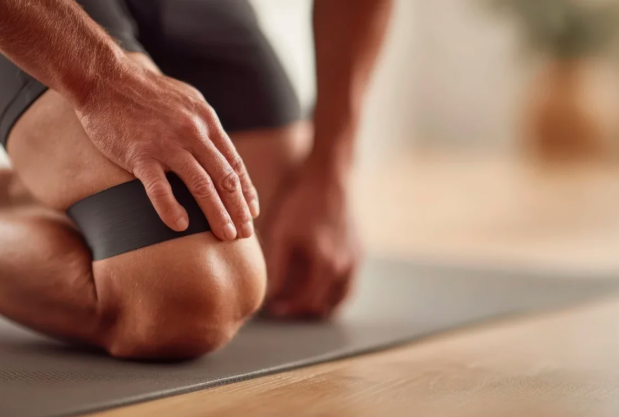
Learning proper kneeling techniques can reduce discomfort and improve confidence.
Patients are usually advised to start on soft surfaces such as carpets, cushions, or padded mats. Hard floors can increase pressure on sensitive areas of the knee.
Using support from a chair or wall while lowering the body can also help prevent sudden strain. Many physical therapists recommend slowly increasing kneeling time instead of forcing the movement immediately.
Some people find it easier to kneel by placing more weight on the shin area instead of directly on the kneecap.
Exercises That May Help Improve Kneeling
Strength and flexibility exercises can make kneeling easier over time. Physical therapy is often an important part of recovery.
Helpful exercises may include:
- Heel slides to improve knee bending
- Straight leg raises for muscle strength
- Gentle stretching exercises
- Balance and stability training
- Quadriceps strengthening exercises
Regular movement helps improve flexibility and confidence during daily activities.
Common Problems People Experience While Kneeling
Even after successful surgery, some patients still notice certain symptoms while kneeling.
Common complaints include:
| Problem | Description |
| Tightness | Feeling pressure in the front of the knee |
| Numbness | Reduced feeling near the scar |
| Pain | Discomfort when kneeling on hard surfaces |
| Difficulty Standing Up | Weakness or stiffness when rising |
| Clicking Sounds | Joint noises during movement |
Most of these symptoms improve gradually as recovery continues.
Tips to Reduce Pain and Discomfort While Kneeling

Simple adjustments can make kneeling more comfortable after surgery.
Patients often benefit from:
- Using knee pads or soft cushions
- Avoiding hard flooring
- Practicing slowly and carefully
- Maintaining a healthy body weight
- Continuing physical therapy exercises
- Stretching before physical activity
These small changes can help reduce pressure on the knee joint during daily tasks.
Activities That May Require Kneeling
Many everyday activities involve kneeling. After recovery, some patients return to these activities comfortably while others modify how they perform them.
Activities may include:
- Gardening
- Cleaning floors
- Religious prayer
- Playing with children
- Home repair work
- Certain exercise positions
Using proper support and protective padding can help during these activities.
When You Should Avoid Kneeling
There are situations where kneeling should be avoided temporarily.
Patients should avoid kneeling if they have:
- Severe swelling
- Infection around the knee
- Sharp or worsening pain
- Recent injury or fall
- Unstable feeling in the joint
Any unusual symptoms should be discussed with a doctor before continuing physical activity.
Long-Term Expectations After Knee Replacement
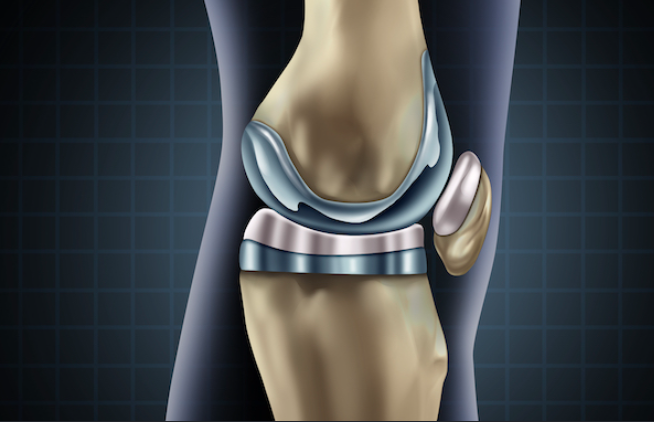
Most patients experience major improvements in pain and mobility after knee replacement surgery. However, the artificial knee may not feel exactly like a natural knee.
Some people regain comfortable kneeling ability, while others continue to experience mild discomfort or numbness. Recovery often improves gradually over many months.
Staying active, maintaining muscle strength, and following rehabilitation advice can help improve long-term knee function.
Conclusion
Many people wonder, can you kneel on a knee replacement? In most cases, the answer is yes. Kneeling usually does not damage the artificial joint once healing is complete. However, discomfort, numbness, and stiffness are common during recovery.
With patience, proper exercises, and safe techniques, many patients become more comfortable kneeling over time. Every recovery is different, so following medical advice and listening to your body are important parts of long-term success.
FAQs
Can weather changes affect a knee replacement while kneeling?
Some people notice increased stiffness or discomfort in cold weather, especially during activities like kneeling.
Is it normal to hear sounds from a knee replacement while kneeling?
Yes, mild clicking sounds can happen because artificial parts move differently than a natural knee joint.
Can younger patients kneel better after knee replacement?
Younger patients may recover strength and flexibility faster, but results still vary between individuals.
Do knee pads really help after knee replacement?
Yes, padded support can reduce pressure on the front of the knee and improve comfort while kneeling.
Can weight gain affect kneeling after knee replacement?
Extra body weight can place more pressure on the knee joint and may make kneeling less comfortable.
Related Articles
Jason Health Labs: Complete Guide to Affordable Online Lab Testing Services
Coach Yplostylia Varkonin Health: Complete Guide to Wellness, Nutrition, Fitness, and Preventive Care
Careers in Dental Public Health: Education, Jobs, Salary, and Future Opportunities
LifeX Health Insurance Explained: Plans, Coverage, Cost, Benefits and Full Detailed Guide