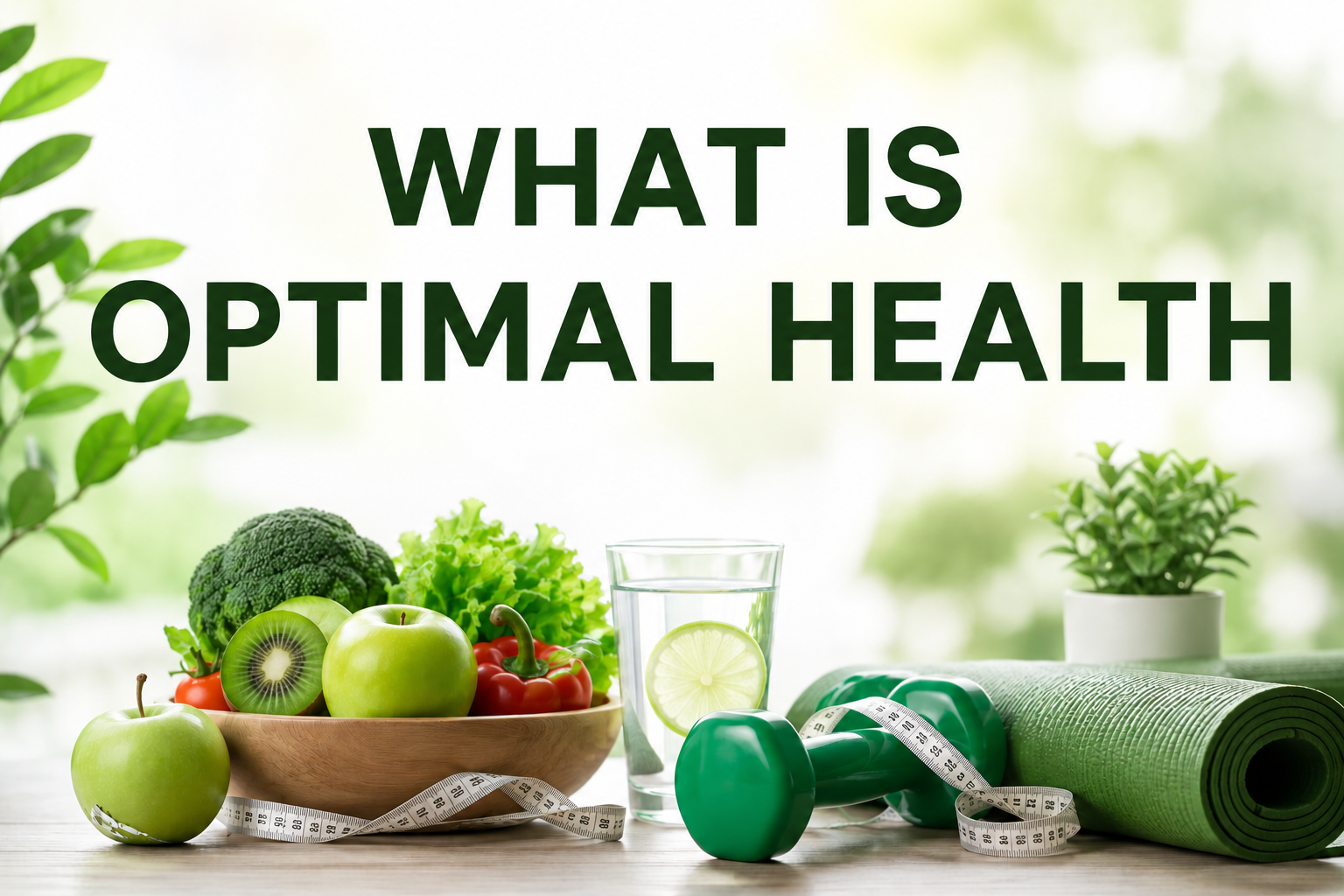
Have you ever wondered what is optimal health and why it is important for living a balanced and fulfilling life? Optimal health is more than simply being free from illness—it is a state of complete physical, mental, and emotional well-being that allows you to function at your best every day.
Achieving optimal health involves making healthy lifestyle choices that support long-term wellness and improve overall quality of life. In this article, we will discuss Physical Health and Its Importance, Stress Management and Healthy Lifestyle Habits, and other key factors that contribute to achieving and maintaining optimal health.
What Does Optimal Health Mean?
The term optimal health refers to the highest level of health a person can achieve based on their unique circumstances. It is a state where the body and mind function efficiently, allowing individuals to perform daily activities with energy, confidence, and resilience.
Rather than focusing only on treating illnesses, optimal health emphasizes prevention and overall well-being. It encourages people to adopt healthy habits that support long-term wellness. A person experiencing optimal health usually enjoys good physical fitness, emotional stability, strong mental health, and positive social interactions.
In simple words, when someone asks, what is optimal health, the answer is that it is a balanced state of complete wellness that helps a person live their best possible life.
Key Components of Optimal Health
Optimal health is built upon several interconnected areas of wellness. Each component contributes to overall well-being and helps create a balanced lifestyle.
Physical Health and Its Importance
Physical health forms the foundation of optimal health. It refers to how well the body functions and its ability to perform daily activities without excessive fatigue or discomfort.
A physically healthy person typically maintains a healthy weight, exercises regularly, consumes nutritious foods, and receives appropriate medical care when needed. Good physical health also strengthens the immune system, reducing the risk of many diseases.
Some indicators of strong physical health include:
| Indicator | Description |
| High energy levels | Ability to complete daily tasks without excessive tiredness |
| Healthy weight | Maintaining weight within a suitable range |
| Strong immunity | Better protection against infections |
| Physical fitness | Improved strength, endurance, and flexibility |
| Good mobility | Ability to move comfortably and independently |
Physical health is often the most visible aspect of wellness, but it works closely with mental and emotional health to support overall well-being.
Mental and Emotional Well-Being
Mental and emotional wellness are equally important when discussing what is optimal health. Mental health affects how individuals think, learn, and make decisions, while emotional health influences how they manage feelings and respond to life’s challenges.
People with strong mental and emotional well-being can handle stress more effectively, maintain healthy relationships, and recover more quickly from setbacks. They tend to have a positive outlook on life and demonstrate resilience during difficult situations.
Good mental and emotional health can be supported through:
- Practicing mindfulness and relaxation techniques.
- Maintaining social connections.
- Seeking help when needed.
- Engaging in enjoyable activities.
- Managing stress in healthy ways.
A healthy mind contributes significantly to overall quality of life and supports long-term health goals.
The Role of Nutrition in Optimal Health
Nutrition plays a critical role in achieving and maintaining optimal health. The foods people consume provide the nutrients necessary for growth, energy production, tissue repair, and disease prevention.
A balanced diet includes a variety of nutrient-rich foods such as fruits, vegetables, whole grains, lean proteins, and healthy fats. These foods supply vitamins, minerals, fiber, and antioxidants that support bodily functions.
The following table highlights essential nutrients and their benefits:
| Nutrient | Main Function |
| Protein | Builds and repairs tissues |
| Carbohydrates | Primary source of energy |
| Healthy fats | Supports brain and heart health |
| Vitamins | Regulate body processes |
| Minerals | Support bones, muscles, and organs |
| Fiber | Promotes digestive health |
Poor nutrition can lead to fatigue, weakened immunity, weight gain, and increased risk of chronic diseases. By making healthier food choices, individuals can improve both physical and mental well-being.
Benefits of Regular Exercise and Physical Activity
Exercise is one of the most effective ways to improve overall health. Regular physical activity strengthens muscles, improves cardiovascular function, enhances flexibility, and boosts mood.
People who exercise consistently often experience increased energy levels and reduced risk of chronic conditions such as heart disease, diabetes, and obesity. Exercise also supports mental health by releasing endorphins, commonly known as feel-good hormones.
Some major benefits of physical activity include:
| Benefit | Impact |
| Better heart health | Improves circulation and cardiovascular function |
| Weight management | Helps burn calories and maintain healthy weight |
| Stronger muscles | Enhances strength and endurance |
| Improved mood | Reduces symptoms of stress and anxiety |
| Better sleep | Supports restful and deeper sleep |
Experts generally recommend engaging in moderate physical activity most days of the week. Even simple activities such as walking, cycling, or gardening can contribute to optimal health.
Why Quality Sleep Matters for Overall Wellness?
Sleep is often overlooked, yet it is one of the most important factors influencing health. During sleep, the body repairs tissues, restores energy, and processes information gathered throughout the day.
Insufficient sleep can negatively affect concentration, memory, mood, immune function, and physical performance. Over time, chronic sleep deprivation may increase the risk of various health problems.
Quality sleep provides several benefits:
- Improved concentration and productivity.
- Enhanced immune system function.
- Better emotional regulation.
- Faster physical recovery.
- Reduced risk of chronic illnesses.
Adults generally require seven to nine hours of sleep each night. Creating a consistent bedtime routine and reducing screen time before bed can improve sleep quality significantly.
Stress Management and Healthy Lifestyle Habits
Managing stress effectively is an important part of maintaining optimal health. While some stress is normal, chronic stress can negatively affect both physical and mental well-being.
Long-term stress may contribute to headaches, high blood pressure, digestive issues, anxiety, and sleep disturbances. Learning healthy coping strategies can help individuals maintain balance and resilience.
Healthy Lifestyle Habits That Reduce Stress
Several daily habits can help manage stress and support overall wellness:
- Regular physical activity.
- Deep breathing exercises.
- Meditation and mindfulness practices.
- Spending time outdoors.
- Maintaining social connections.
- Pursuing hobbies and interests.
Building a Sustainable Healthy Routine
Creating a sustainable routine is often more effective than making drastic lifestyle changes. Small improvements practiced consistently over time can lead to significant health benefits.
For example, drinking more water, taking short walks, eating more vegetables, and getting adequate sleep can gradually improve overall well-being. Consistency is often the key to long-term success.
Common Factors That Affect Optimal Health
Many factors influence an individual’s ability to achieve optimal health. Some factors are within personal control, while others may be influenced by external circumstances.
Common factors include:
| Factor | Influence on Health |
| Genetics | May affect disease risk and physical traits |
| Lifestyle choices | Diet, exercise, smoking, and alcohol use |
| Environment | Air quality, housing, and safety |
| Healthcare access | Availability of medical services |
| Stress levels | Impact physical and mental wellness |
| Social relationships | Affect emotional well-being |
Understanding these influences can help people make informed decisions about their health and identify areas where improvements may be beneficial.
Benefits of Achieving Optimal Health
Achieving optimal health offers numerous advantages that extend beyond physical wellness. People who prioritize their health often experience greater satisfaction and productivity in daily life.
- Increased Energy: Healthy individuals often have higher energy levels, allowing them to complete daily tasks more efficiently and enjoy recreational activities.
- Better Disease Prevention: A healthy lifestyle can reduce the risk of chronic diseases such as heart disease, diabetes, obesity, and certain cancers.
- Improved Mental Clarity: Optimal health supports cognitive function, concentration, memory, and decision-making abilities.
- Stronger Emotional Resilience: People with balanced physical and mental health are often better equipped to cope with life’s challenges and setbacks.
- Enhanced Quality of Life: Overall wellness contributes to greater independence, confidence, happiness, and longevity.
These benefits demonstrate why understanding what is optimal health is important for individuals of all ages.
How to Maintain Optimal Health for Life?
Maintaining optimal health requires ongoing effort and commitment. While there is no single formula that works for everyone, certain strategies can help support lifelong wellness.
Set Realistic Goals
Health goals should be achievable and specific. Small, realistic objectives are easier to maintain and often lead to lasting success.
Prioritize Balanced Nutrition
Focus on consuming nutrient-dense foods while limiting highly processed products. Balanced eating supports energy levels and overall health.
Stay Physically Active
Choose activities that are enjoyable and sustainable. Regular movement helps maintain strength, flexibility, and cardiovascular fitness.
Protect Mental Health
Take time for self-care, relaxation, and social interaction. Seeking professional support when needed is also important.
Practice Consistency
Healthy habits become more effective when practiced consistently over time. Small daily actions often produce the greatest long-term results.
Conclusion
Understanding what is optimal health is essential for anyone seeking a healthier and more fulfilling life. Optimal health goes beyond simply avoiding illness and involves achieving balance across physical, mental, emotional, and social aspects of well-being.
By focusing on nutritious eating, regular exercise, quality sleep, stress management, and positive lifestyle habits, individuals can improve their overall wellness and reduce the risk of many health problems. Although achieving optimal health is a lifelong journey, consistent healthy choices can lead to lasting benefits and a higher quality of life.
Frequently Asked Questions
What is optimal health in simple terms?
Optimal health is a state of complete physical, mental, and emotional well-being where a person functions at their best and enjoys a high quality of life.
Why is optimal health important?
Optimal health helps improve energy levels, prevent diseases, support mental wellness, and enhance overall quality of life.
Can optimal health be achieved at any age?
Yes. People of all ages can improve their health by adopting healthy habits such as proper nutrition, regular exercise, and stress management.
What are the main pillars of optimal health?
The main pillars include physical health, mental health, emotional well-being, balanced nutrition, regular exercise, quality sleep, and healthy relationships.
How does nutrition affect optimal health?
Nutrition provides essential nutrients that support body functions, energy production, immune health, and disease prevention.
How much exercise is needed for optimal health?
Most adults benefit from at least 150 minutes of moderate physical activity per week along with strength-training activities.
Is optimal health the same as being disease-free?
No. A person may be free from disease but still not experience optimal health if they struggle with poor mental health, chronic stress, or unhealthy lifestyle habits.
Related Posts
Does Tennis Elbow Cause Shoulder Pain? Causes, Symptoms, Treatment & Prevention Guide
Can I Eat Fish on a Vegan Diet? The Complete Guide for Beginners
Estrella Women’s Health Center: Complete Care Approach, and Women’s Health Solutions
Can High Blood Pressure Cause Flashing Lights in Eyes?
Is Muscle Twitching Dangerous? What Your Body Is Really Trying to Tell You