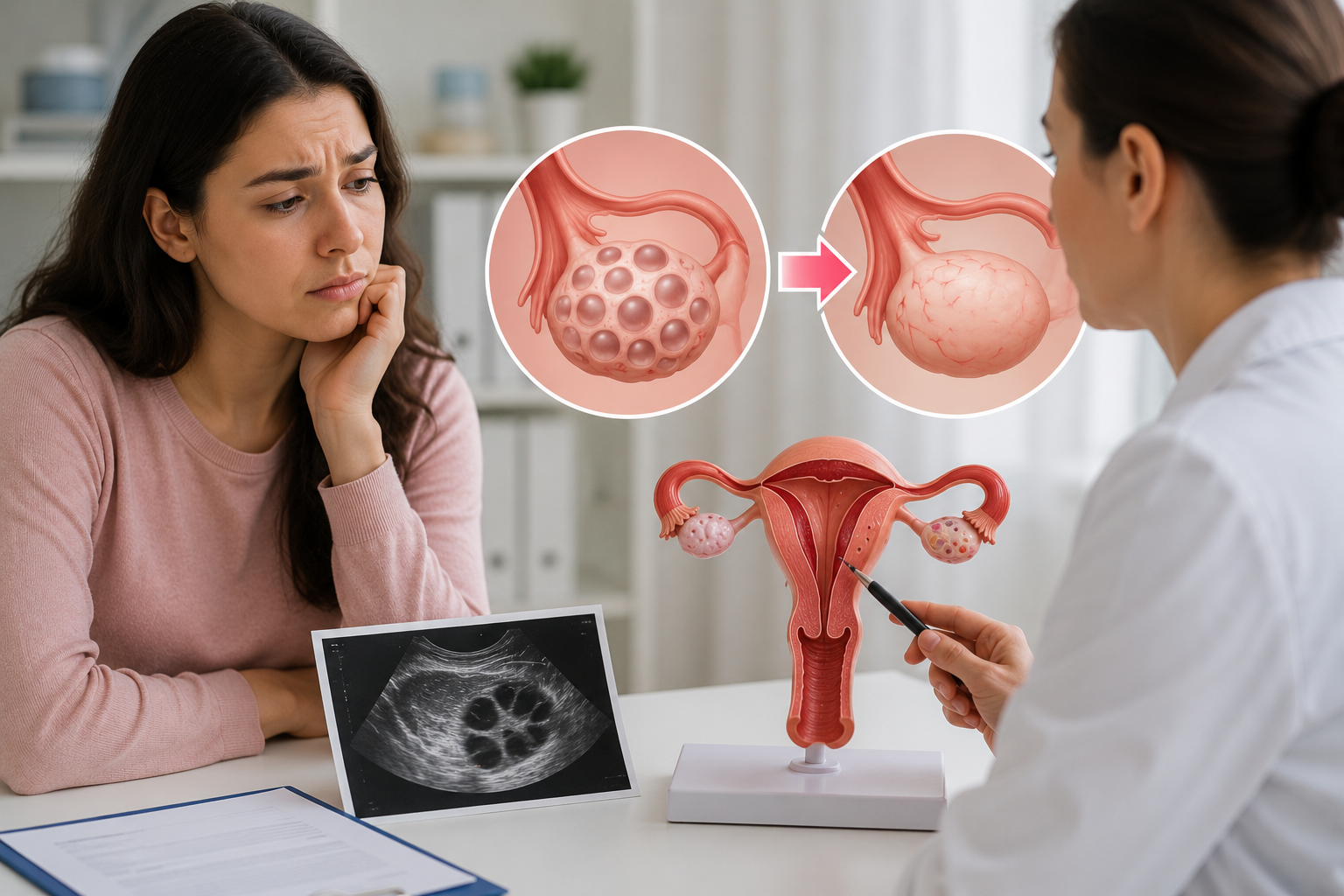
Many women living with Polycystic Ovary Syndrome eventually reach a breaking point with their symptoms and start wondering if a permanent surgical solution might bring relief. This is a fair question to ask, especially after years of managing irregular periods, acne, and weight struggles.
The short answer is that a hysterectomy alone does very little for PCOS because the condition is driven by hormones, not by the uterus itself. Understanding what this surgery actually changes, and what it leaves untouched, is essential before considering it as an option. The sections below break down exactly what happens to PCOS symptoms with and without ovary removal.
Key Takeaways
- A hysterectomy removes the uterus, but PCOS is a hormonal condition centered in the ovaries, so symptoms often continue afterward.
- Removing the ovaries along with the uterus can reduce androgen-related symptoms, but it also triggers immediate surgical menopause.
- Standard PCOS treatment relies on lifestyle changes, medication, and hormone regulation rather than uterus removal.
- Hysterectomy may help with severe bleeding but does not fix insulin resistance, weight gain, or excess hair growth.
- Doctors generally reserve hysterectomy for other coexisting conditions, not as a primary PCOS treatment.
What Is PCOS and What Causes Its Symptoms?
PCOS symptoms stem from a hormonal and metabolic imbalance rather than a structural problem with reproductive organs. To understand why surgery on the uterus doesn’t resolve the condition, it helps to look at where these symptoms actually originate.
Hormonal Imbalance Behind PCOS
At the core of PCOS is an excess of androgens, which are hormones typically associated with male characteristics but present in smaller amounts in all women. This excess disrupts the normal ovulation cycle and contributes to many visible symptoms. Insulin resistance often accompanies this imbalance, creating a cycle where the body produces more insulin, which in turn pushes androgen levels even higher.
Common Symptoms Women Experience
Women with PCOS frequently report irregular or missed periods, persistent acne along the jawline and chin, unwanted hair growth on the face and body, and difficulty losing weight despite consistent effort. These symptoms vary in severity from person to person, and some women experience only mild versions while others face more pronounced challenges daily.
Why PCOS Is an Ovarian and Endocrine Condition
The uterus plays no direct role in producing the hormones responsible for PCOS symptoms. Instead, the ovaries and the broader endocrine system, including the pancreas and adrenal glands, are the primary contributors. This distinction matters because it explains why a surgery focused on the uterus does not address the hormonal source of the problem.
What Does a Hysterectomy Actually Remove?
A hysterectomy is a surgical procedure, and its scope can vary significantly depending on what the surgeon removes along with the uterus. This difference matters greatly when considering its effect on PCOS.
Uterus-Only Hysterectomy
In this version of the surgery, only the uterus is removed while the ovaries remain in place and continue functioning normally. This means the body keeps producing the same hormone levels as before, including the elevated androgens tied to PCOS.
Hysterectomy With Oophorectomy
When the ovaries are removed alongside the uterus, the procedure is called a hysterectomy with bilateral oophorectomy. This eliminates the primary source of androgen production in the body, which can meaningfully change how PCOS symptoms present afterward.
Comparing the Two Procedures
The table below outlines the practical differences between these two surgical approaches and what patients can expect from each.
| Factor | Uterus-Only Hysterectomy | Hysterectomy With Oophorectomy |
| Ovaries remain | Yes | No |
| Hormone production | Continues normally | Stops abruptly |
| Menstrual bleeding | Stops | Stops |
| Fertility | Ends | Ends |
| PCOS hormonal symptoms | Usually unchanged | Often reduced |
| Menopause onset | Natural timing preserved | Immediate surgical menopause |
Does Removing the Uterus Alone Help PCOS?
Removing only the uterus stops menstrual bleeding permanently, but it does not touch the hormonal engine driving PCOS. This is one of the most misunderstood aspects of the procedure among women researching their options.
Why Symptoms Often Persist
Since the ovaries remain active, they continue releasing the same levels of androgens and continue contributing to insulin resistance. Women who undergo this version of the surgery frequently report no change in acne, hair growth, or weight-related symptoms after recovery.
What This Surgery Does Fix
Uterus removal can bring real relief from heavy or prolonged bleeding, which is one of the more disruptive symptoms some women with PCOS experience. It also permanently ends the possibility of pregnancy, which some patients see as a benefit depending on their life stage and family planning goals.
Warning: A hysterectomy without ovary removal should never be pursued specifically as a PCOS treatment, since the hormonal condition will continue exactly as before the surgery.
Does Removing the Ovaries Change Things?
When the ovaries are removed along with the uterus, the hormonal picture shifts substantially. This is the version of the surgery most closely tied to actual symptom improvement, though it comes with significant tradeoffs.
Why Androgen-Driven Symptoms May Improve
With the ovaries gone, the body’s primary source of excess androgen production is eliminated. Many women notice a reduction in acne and excess hair growth over time, since the hormonal trigger behind these symptoms is no longer present.
The Tradeoff of Surgical Menopause
Removing the ovaries causes immediate surgical menopause, regardless of the woman’s age. This means hot flashes, mood changes, and vaginal dryness can begin right away rather than gradually over several years, as happens with natural menopause.
Long-Term Health Risks to Consider
Early loss of ovarian hormones increases the risk of osteoporosis and cardiovascular disease over time, since estrogen plays a protective role in bone and heart health. Most doctors recommend hormone replacement therapy afterward to offset these risks, which introduces its own set of considerations and monitoring needs.
Pro Tip: Before considering this option, ask your doctor about your personal risk factors for osteoporosis and heart disease, and discuss whether hormone replacement therapy would be appropriate for your situation.
What Are the Actual Recommended Treatments for PCOS?
Medical guidelines consistently point toward non-surgical management as the first line of treatment for PCOS. These approaches target the hormonal and metabolic roots of the condition directly.
Lifestyle and Diet Management
Regular physical activity and a balanced diet help improve insulin sensitivity, which can reduce androgen levels naturally over time. Even modest weight loss, in the range of five to ten percent of body weight, has been shown to improve menstrual regularity for many women.
Metformin and Insulin-Sensitizing Medication
Metformin is commonly prescribed to improve how the body responds to insulin, which indirectly helps lower androgen production. This medication is often a long-term part of PCOS management rather than a short-term fix.
Hormonal Birth Control and Anti-Androgens
Combined birth control pills help regulate menstrual cycles and reduce androgen-related symptoms like acne and excess hair growth. Anti-androgen medications may be added separately when hair growth or acne remain difficult to control with birth control alone.
Fertility Treatments When Pregnancy Is a Goal
For women trying to conceive, medications that induce ovulation are typically the first step, followed by more advanced fertility treatments if needed. This path stands in direct contrast to hysterectomy, which permanently ends fertility.
| Treatment | What It Targets | Fertility Impact |
| Lifestyle changes | Insulin resistance, weight | Preserved |
| Metformin | Insulin sensitivity | Preserved |
| Birth control pills | Hormone regulation | Preserved (reversible) |
| Anti-androgens | Excess hair, acne | Preserved |
| Fertility medications | Ovulation | Supports conception |
| Hysterectomy with oophorectomy | Androgen production | Ends permanently |
When Might a Hysterectomy Still Be Considered?
While hysterectomy is not a standard PCOS treatment, there are specific situations where a doctor might still recommend it. These typically involve other health complications rather than PCOS symptoms alone.
Severe Uncontrolled Bleeding
When bleeding becomes so severe that it leads to anemia or significantly disrupts daily life, and other treatments have failed to control it, hysterectomy may be discussed as an option. This decision usually comes after multiple less invasive treatments have already been tried.
Coexisting Conditions Like Fibroids or Endometrial Issues
Women with PCOS sometimes also develop fibroids or endometrial hyperplasia, a thickening of the uterine lining linked to prolonged unopposed estrogen exposure. In these cases, the hysterectomy is treating the coexisting condition rather than PCOS itself.
Hypothetical Example: Consider a woman in her mid-forties with PCOS who has also developed endometrial hyperplasia after years of irregular cycles. Her doctor might recommend a hysterectomy specifically to address the uterine lining condition, while continuing to manage her PCOS hormonal symptoms separately through medication.
Questions to Ask Your Doctor Before Considering Surgery
Before moving forward with any surgical option, it helps to have a clear conversation with your doctor about what the procedure will and will not change for your specific symptoms.
Useful questions include whether the ovaries will be removed along with the uterus, what the expected impact on hormone-related symptoms will be, and what long-term hormone replacement plan would follow if the ovaries are removed.
It’s also worth asking whether less invasive treatments have been fully explored first, since most guidelines recommend exhausting these options before considering permanent surgery.
Frequently Asked Questions
Does a hysterectomy cure PCOS?
No, a hysterectomy does not cure PCOS. Removing the uterus alone leaves the ovaries and their hormone production intact, so the underlying condition continues.
Can PCOS come back after hysterectomy?
If the ovaries remain in place, PCOS symptoms were never truly resolved to begin with, so there is nothing to “come back.” The hormonal imbalance simply continues uninterrupted.
Does removing ovaries stop PCOS symptoms permanently?
Removing the ovaries typically reduces androgen-driven symptoms significantly, but it also causes permanent surgical menopause, which brings its own long-term health considerations.
Is hysterectomy safer than long-term PCOS medication?
For most women, medication and lifestyle management carry fewer risks than a major surgery, especially since surgery is irreversible and ovary removal accelerates menopause-related health risks.
Conclusion
Would having a hysterectomy help PCOS? For most women, the honest answer is no, unless the ovaries are removed too, and even then, the tradeoff is immediate surgical menopause rather than a true cure.
Uterus removal alone stops bleeding and ends fertility but leaves the hormonal condition untouched. The medical consensus continues to favor lifestyle changes, medication, and hormone regulation as the safer, reversible path for managing PCOS long term.
RELATED ARTICLES
How to Cure Burning Watery Eyes: Causes, Remedies & When to See a Doctor
Do You Get Pimples on Your Tongue? Causes, Symptoms and Treatment Guide
Insect Bite Scar: Causes, Removal Options & Prevention Tips