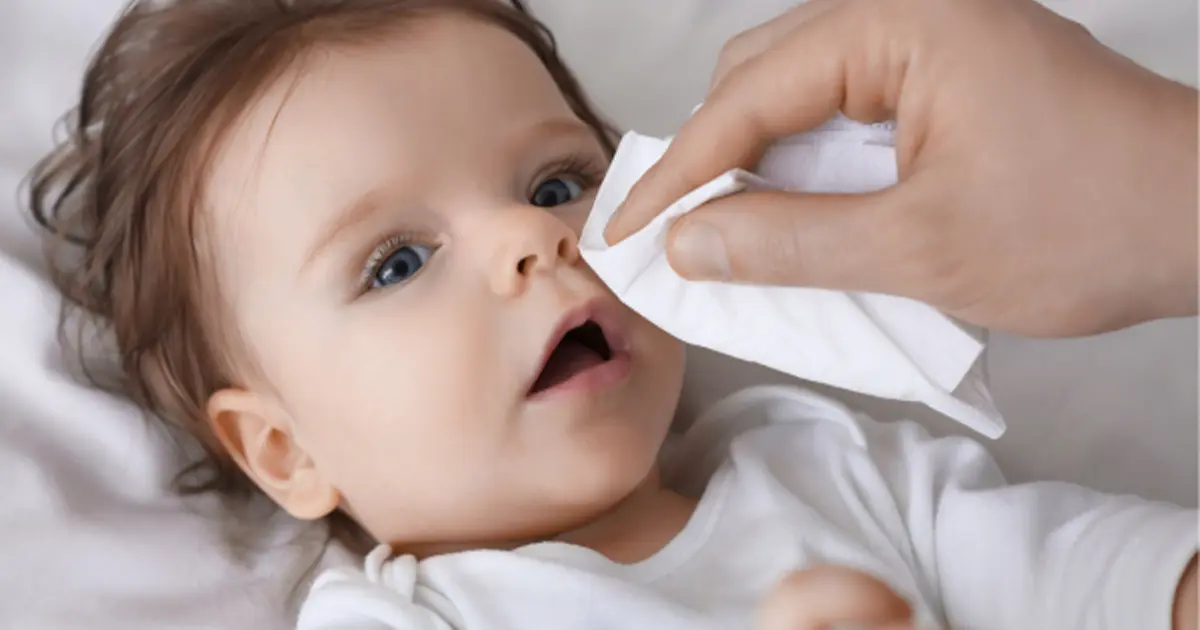
Does teething cause a runny nose? The answer is not as simple as yes or no. While many parents believe that teething leads to a runny nose, medical experts have found limited evidence that teething directly causes it.
However, some babies may have a mild, clear runny nose around the time their teeth erupt, while others may actually have a cold or another minor viral infection that happens to occur at the same age.
In this guide, you’ll learn what science says about teething and runny nose, how to recognize common teething symptoms, and when it is time to contact your child’s healthcare provider.
What Is Teething and When Does It Start?
Teething is a natural developmental stage that every child experiences. Although the process is different for every baby, knowing what to expect can help parents understand whether their baby’s symptoms are related to teething or something else.
What Is Teething?
Teething is the process in which a baby’s primary teeth, also called baby teeth or milk teeth, begin pushing through the gums. Before a tooth becomes visible, it slowly moves upward beneath the gum tissue. This movement can create pressure and mild inflammation, making the gums feel sore and sensitive.
Most children develop 20 primary teeth, which usually appear gradually over the first few years of life. While teething can be uncomfortable, it is a completely normal part of childhood development and does not usually require medical treatment.
Does Teething Cause a Runny Nose? What the Research Says?
If you’re asking, does teething cause a runny nose, the current medical evidence suggests that teething is not a direct cause of a significant or persistent runny nose.
Some babies may develop a small amount of clear nasal discharge while teething, but experts believe this is usually mild and temporary. A heavy, thick, yellow, or green runny nose is much more likely to be caused by a viral infection than by teething itself.
What Research Says?
Several studies have examined whether teething causes symptoms beyond sore gums. Researchers have found that babies often experience increased drooling, gum irritation, chewing, mild fussiness, and changes in sleep during teething.
However, there is little scientific evidence proving that teething directly causes a noticeable runny nose. Because babies usually begin teething around six months of age, they are also becoming more active, putting objects into their mouths, and being exposed to more viruses. As a result, many babies develop colds during the same period, making it easy to confuse illness with teething.
Common Signs and Symptoms of Teething
Every baby experiences teething differently. Some babies barely notice it, while others become noticeably uncomfortable for several days before a tooth appears. Knowing the common symptoms can help parents avoid confusing normal teething with illness.
Swollen or Tender Gums
One of the earliest signs of teething is swelling around the area where the tooth is preparing to emerge. Parents may notice that the gums appear slightly red, puffy, or sensitive when touched.
The discomfort is caused by pressure from the tooth moving upward through the gum tissue. This irritation usually improves once the tooth breaks through.
Excessive Drooling
Many babies drool much more than usual during teething. Increased saliva production helps keep the mouth moist and may be the body’s natural response to gum irritation.
Excess drooling can sometimes cause a rash around the chin, cheeks, or neck. Keeping the skin clean and dry can reduce irritation.
Chewing on Objects
Babies often chew on toys, fingers, blankets, or almost anything they can safely hold. Applying pressure to the gums temporarily relieves discomfort caused by the erupting tooth.
This is why teething rings and chilled washcloths are commonly recommended for soothing sore gums.
Irritability and Fussiness
Teething discomfort can make babies more irritable than usual. They may cry more often, become clingy, or seem difficult to comfort.
Some babies are only fussy for a day or two, while others experience mood changes for several days before the tooth appears.
Teething Runny Nose vs. Common Cold: How to Tell the Difference
A runny nose during the teething stage can be confusing because babies commonly begin teething around the same age that they become more exposed to viruses. Understanding the differences between teething symptoms and a common cold can help parents decide whether simple home care is enough or if a medical evaluation is needed.
How to Tell the Difference
A baby who is teething may have sore gums, drooling, chewing behavior, and mild fussiness. If a runny nose is present, it is usually clear, watery, and lasts only a short time. In contrast, a common cold often causes additional symptoms such as coughing, sneezing, nasal congestion, fever, poor feeding, and tiredness.
If your baby seems unusually sleepy, refuses to eat, has difficulty breathing, or develops a high fever, these symptoms are more likely caused by an illness than by teething.
Comparison Table: Teething vs. Common Cold
| Symptom | Teething | Common Cold |
| Runny nose | Sometimes mild and clear | Common, may become thick |
| Drooling | Very common | Usually not increased |
| Swollen gums | Common | No |
| Chewing on objects | Very common | Uncommon |
| High fever | No | Possible |
| Cough | Mild from drooling | Common |
| Sneezing | Rare | Common |
| Nasal congestion | Mild or absent | Common |
| Appetite | Slightly reduced | Often reduced |
| Duration | A few days around tooth eruption | Usually 7–10 days |
Although both conditions may occur at the same time, looking at the entire group of symptoms rather than focusing on the runny nose alone provides a much clearer picture.
Can Teething Cause Fever, Cough, or Congestion?
Teething may cause a slight increase in body temperature, but it does not usually cause a true fever. If your baby’s temperature reaches 100.4°F (38°C) or higher, it should not automatically be blamed on teething.
A true fever is more commonly associated with viral or bacterial infections and should be evaluated if it persists or is accompanied by other concerning symptoms.
Can Teething Cause a Cough?
Some babies develop a mild cough while teething because they produce more saliva than usual. The extra saliva may collect in the throat, especially when lying down, leading to occasional coughing.
However, a persistent cough, wheezing, or breathing difficulty is unlikely to be caused by teething and deserves medical attention.
Can Teething Cause Nasal Congestion?
Parents often ask whether teething causes a runny nose and congestion at the same time. Mild nasal stuffiness may occasionally occur, but significant congestion that interferes with breathing or feeding is usually related to a cold or another respiratory infection.
If congestion continues for several days or becomes worse, it is best to consult your child’s healthcare provider.
How to Soothe a Teething Baby With a Runny Nose?
Although teething discomfort cannot be completely avoided, there are several safe ways to help your baby feel more comfortable. Gentle care and patience often make a significant difference.
Offer a Cool Teething Ring
A chilled teething ring provides gentle pressure on sore gums while helping reduce inflammation. It should be cool rather than frozen, as extremely cold objects may injure delicate gum tissue.
Gently Massage the Gums
Using a clean finger, parents can gently rub the baby’s gums for a minute or two. The light pressure often provides temporary relief from soreness.
Keep the Nose Clean
If your baby has a mild runny nose, gently wiping away mucus with a soft tissue helps prevent skin irritation around the nose.
For babies with nasal stuffiness, saline nose drops recommended by a healthcare professional may also provide relief.
Encourage Fluids
Breast milk, formula, or water for older babies helps prevent dehydration and keeps mucus thinner and easier to clear.
When Should You Call a Doctor?
Most teething symptoms improve without medical treatment. However, parents should know when a runny nose or other symptoms suggest that something more serious may be happening.
Contact your child’s healthcare provider if your baby has:
- A fever of 100.4°F (38°C) or higher.
- Thick yellow, green, or bloody nasal discharge.
- Difficulty breathing or rapid breathing.
- A runny nose lasting longer than 10–14 days.
- Poor feeding or signs of dehydration.
- Persistent coughing with wheezing.
- Unusual sleepiness or difficulty waking.
- Ear pulling along with fever or irritability.
- Symptoms that become worse instead of improving.
Early medical evaluation helps identify infections that may require treatment and provides reassurance if symptoms are related to normal development.
Common Myths and Facts About Teething and Runny Nose
There are many misconceptions about teething, and believing them may delay proper treatment when a baby is actually sick. Understanding the facts allows parents to make better decisions.
| Myth | Fact |
| Teething always causes a runny nose. | A mild clear runny nose may occur, but teething is not considered a direct cause. |
| High fever is normal during teething. | A true fever usually suggests an illness rather than teething. |
| Every cough during teething is harmless. | Persistent coughing should be evaluated by a healthcare provider. |
| Green mucus is caused by teething. | Thick green or yellow mucus often indicates an infection. |
| Every baby experiences teething the same way. | Symptoms vary widely from one child to another. |
Understanding these myths helps parents avoid overlooking illnesses that require medical attention.
Tips to Keep Your Baby Comfortable During Teething
Teething is temporary, but small daily habits can make the experience easier for both babies and parents.
Helpful tips include:
- Keep teething toys clean before each use.
- Wash your hands before massaging your baby’s gums.
- Clean away drool regularly to prevent skin irritation.
- Offer soft, cool foods if your baby has already started solids.
- Maintain your baby’s regular sleep routine.
- Avoid unsafe teething gels unless recommended by your healthcare provider.
FAQs
Does teething cause runny noses in babies?
Teething itself is not considered a direct cause of a runny nose. Some babies may have a mild, clear nasal discharge during teething, but a persistent or heavy runny nose is more likely caused by a viral infection.
How long can a teething-related runny nose last?
If a runny nose is associated with teething, it is generally mild and short-lived, often lasting only a few days around the eruption of a tooth. Symptoms lasting more than a week should be evaluated.
Can teething cause a stuffy nose?
Teething may occasionally be linked with mild nasal stuffiness, but significant congestion that affects feeding or breathing is usually caused by a cold or another illness.
Can teething and a cold happen at the same time?
Yes. Babies often begin teething during the same months they are exposed to more viruses, so it is possible for both conditions to occur together.
Should I worry if my baby has a fever while teething?
A slight increase in temperature may occur during teething, but a true fever of 100.4°F (38°C) or higher should not automatically be blamed on teething and should be assessed by a healthcare provider.
What is the safest way to soothe teething discomfort?
Chilled teething rings, gentle gum massage, extra cuddles, adequate fluids, and keeping the baby’s skin clean and dry are among the safest and most effective comfort measures.
When should I take my baby to the doctor for a runny nose?
Seek medical advice if the runny nose lasts longer than 10–14 days, becomes thick or colored, is accompanied by a high fever, breathing problems, poor feeding, or if your baby’s condition appears to worsen.
Conclusion
Many parents ask, does teething cause a runny nose, because the two often seem to happen at the same time.
While a mild, clear runny nose may occasionally be noticed during teething, current medical evidence suggests that teething is not a direct cause of significant or prolonged nasal symptoms.
More often, babies develop minor viral infections during the same stage of life when their first teeth begin to emerge, leading to understandable confusion.
Related Articles
Insufficient Circulation in Feet Pain in Arch: Causes, Symptoms, Treatment, and Prevention
Can High Blood Pressure Cause Flashing Lights in Eyes?
Ear Pain When Chewing: Causes, Symptoms, Diagnosis, and Effective Treatment
How to Get Rid of Numbness After Dentist: Causes, Remedies, and Recovery Tips
Pain in Arms After Sneezing: Causes, Warning Signs, and How to Get Relief