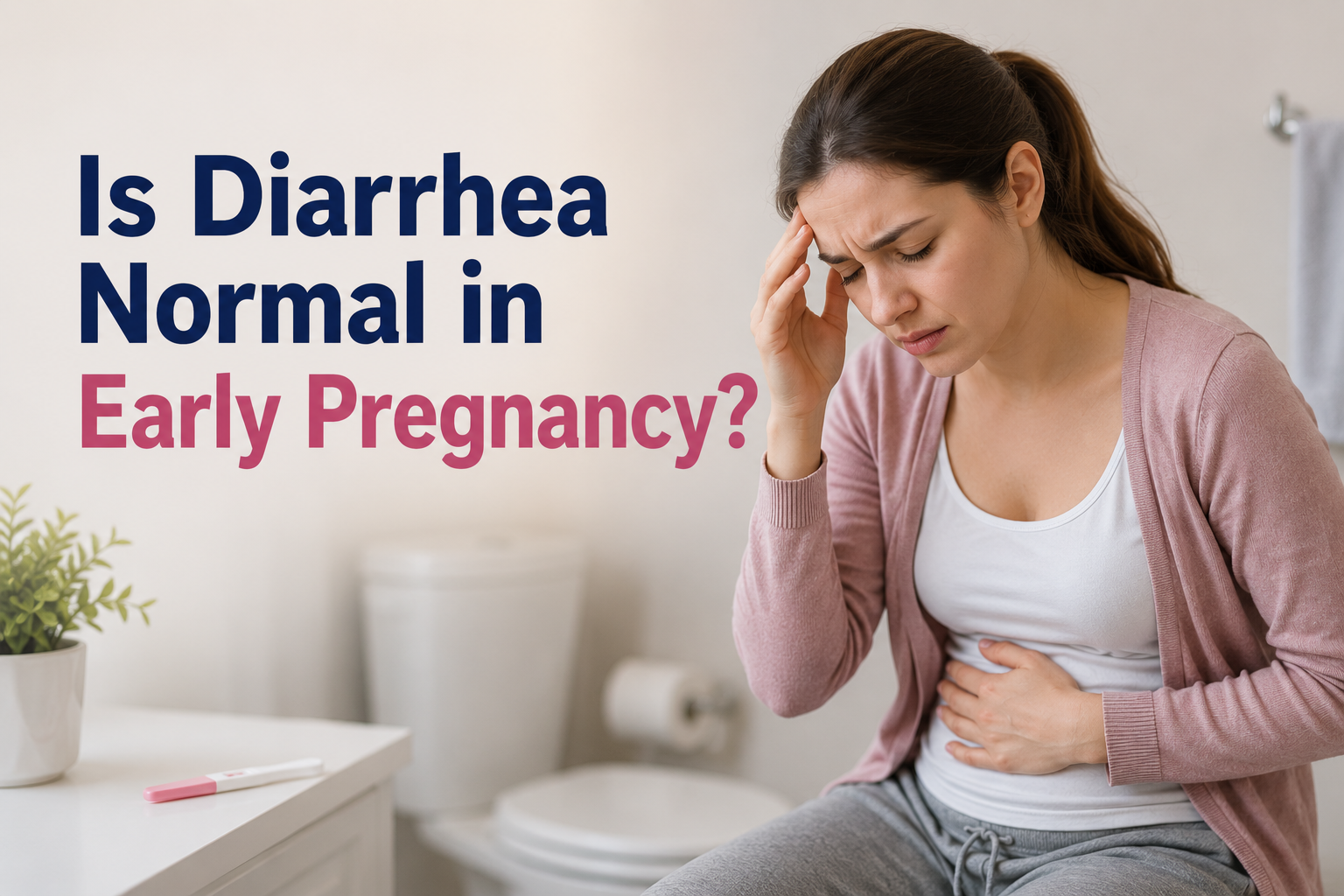
Yes, diarrhea is usually normal in early pregnancy and happens because of hormonal shifts, dietary changes, and a more sensitive digestive system.
Most women experience mild, short-lived episodes that resolve within a day or two without any treatment. However, it is not always harmless, and in some cases it can point to an infection, food intolerance, or dehydration risk that needs medical attention.
Understanding the difference between a normal digestive adjustment and a warning sign can help you feel more confident and less anxious during these early weeks.
Is Diarrhea a Common Early Pregnancy Symptom?
Diarrhea is less talked about than nausea or constipation, but it is still a fairly common early pregnancy symptom for many women. It usually shows up quietly alongside other digestive changes rather than being the first sign someone notices.
How Common Is It Compared to Other Symptoms
Nausea and constipation tend to dominate pregnancy symptom discussions, but loose stools and mild diarrhea are reported by a noticeable number of women in the first trimester. It is often overshadowed simply because it feels less “typical” of pregnancy in popular conversation, even though the digestive system is going through major changes.
Why It Is Often Overlooked
Many women assume digestive upset is unrelated to pregnancy and blame it on food or stress instead. Because morning sickness and fatigue tend to get more attention, diarrhea is frequently dismissed until it becomes uncomfortable or persistent enough to raise concern.
Timeline: When It Starts and How Long It Lasts
Early pregnancy diarrhea can begin as early as the first few weeks after conception, often around the same time as other hormonal symptoms appear. In most cases, it lasts only a few days at a time and comes and goes as hormone levels fluctuate, rather than being a constant, ongoing issue.
Causes of Diarrhea in Early Pregnancy
There are several overlapping reasons diarrhea shows up in early pregnancy, ranging from hormones to diet to supplements. Identifying the likely cause can make it easier to manage symptoms and know what to adjust.
Hormonal Changes
Rising progesterone and hCG levels affect how the digestive tract moves food, sometimes speeding things up and leading to looser stools. These hormonal shifts are one of the most frequent explanations doctors give for early pregnancy digestive changes.
Dietary Changes and New Cravings
Sudden cravings or aversions can mean eating unfamiliar combinations of food, larger portions, or entirely different food groups than usual. This abrupt shift can upset a previously balanced digestive routine and trigger temporary diarrhea.
Prenatal Vitamins and Iron Supplements
Many prenatal vitamins, especially those high in iron, are known to cause digestive side effects including diarrhea in some women and constipation in others. Switching brands, taking them with food, or adjusting the dosage under medical guidance can often ease this side effect.
Increased Digestive Sensitivity
Pregnancy hormones can make the gut more reactive to foods that were previously well tolerated, including dairy, spicy dishes, or high-fat meals. This heightened sensitivity often fades as the body adjusts through the first trimester.
Stress and Anxiety
The emotional adjustment of early pregnancy, combined with physical symptoms, can activate the gut-brain connection and lead to loose stools. Stress-related diarrhea usually improves once anxiety levels settle or coping strategies are put in place.
Food Intolerances or Infections
Not every case of diarrhea in pregnancy is hormone-related; some are simply caused by food poisoning, viral infections, or intolerances unrelated to the pregnancy itself. These cases often come with additional symptoms like fever or vomiting that point away from a purely hormonal cause.
Can Diarrhea Be an Early Pregnancy Sign?
Diarrhea alone is not considered a reliable pregnancy indicator, but it can appear alongside other early symptoms in some women. It becomes more meaningful when paired with additional physical changes rather than standing alone.
Symptoms That Often Appear Together
Women who notice diarrhea as an early pregnancy sign often report it alongside nausea, breast tenderness, fatigue, or mild cramping. When several of these symptoms cluster together, it is more likely connected to early pregnancy rather than an unrelated digestive issue.
When Diarrhea Is Normal vs. When It Is a Concern?
Most early pregnancy diarrhea is mild and self-limiting, but certain patterns should never be ignored. Knowing the line between typical discomfort and a medical warning sign is essential for both maternal and fetal safety.
What Normal Diarrhea Looks Like
Normal diarrhea in early pregnancy is usually mild, lasts only a day or two, and is not accompanied by fever, severe pain, or blood. It typically responds well to rest, hydration, and simple dietary adjustments without needing medical intervention.
Warning Signs to Watch For
The table below outlines symptoms that go beyond normal digestive discomfort and require prompt medical attention.
| Warning Sign | Why It Matters |
| Blood or mucus in stool | May indicate infection or inflammation |
| Fever or chills | Suggests a possible bacterial or viral infection |
| Severe abdominal pain or cramping | Could signal a more serious digestive or pregnancy-related issue |
| Dizziness, dark urine, dry mouth | Signs of dehydration that can affect both mother and baby |
| Diarrhea lasting more than 2–3 days | Increases risk of dehydration and nutrient loss |
Risks of Diarrhea During Pregnancy
While occasional diarrhea is usually harmless, prolonged or severe episodes carry real risks that deserve attention. These risks mostly center around fluid loss, nutrient absorption, and the possibility of underlying infection.
Dehydration Risks
Diarrhea causes rapid fluid loss, and pregnant women are already more prone to dehydration due to increased blood volume needs. Untreated dehydration can affect amniotic fluid levels and overall pregnancy comfort, making fluid replacement a priority.
Electrolyte Imbalance
Along with water, the body loses important electrolytes like sodium and potassium during diarrhea episodes. This imbalance can cause weakness, muscle cramps, or dizziness if not addressed through rehydration solutions or electrolyte-rich fluids.
Nutrient Absorption Concerns
Frequent diarrhea can interfere with the gut’s ability to absorb nutrients from food, which is especially important during a period of rapid fetal development. This is one reason prolonged diarrhea should not be left unmanaged, even if it seems mild.
When It May Signal Infection
Viral, bacterial, or parasitic infections can also cause diarrhea during pregnancy and often come with additional symptoms like fever, vomiting, or foul-smelling stool. These cases usually require medical testing and sometimes treatment that is safe for pregnancy.
Home Remedies and Relief Tips
Simple, gentle adjustments at home are often enough to manage mild diarrhea in early pregnancy. The goal is to replace lost fluids, ease digestion, and avoid further irritating the gut.
Staying Hydrated
Drinking water, oral rehydration solutions, or clear broths throughout the day helps replace fluids and electrolytes lost during diarrhea. Small, frequent sips are often easier to tolerate than large amounts at once, especially if nausea is also present.
The BRAT Diet and Gentle Foods
The BRAT diet, consisting of bananas, rice, applesauce, and toast, is commonly recommended because these foods are easy to digest and help firm up stool. Other gentle options include plain crackers, boiled potatoes, and oatmeal.
Foods and Drinks to Avoid
Dairy products, spicy foods, fried or fatty meals, and caffeine can all worsen diarrhea by irritating an already sensitive digestive system. Reducing these temporarily, until symptoms settle, usually speeds up recovery.
Probiotics and Gut Health
Probiotic-rich foods like plain yogurt or pregnancy-safe supplements can help restore healthy gut bacteria after a diarrhea episode. Always check with a healthcare provider before starting a new supplement during pregnancy.
Rest and Stress Management
Since stress can worsen digestive symptoms, prioritizing rest, light activity, and relaxation techniques can support faster recovery. Gentle breathing exercises or short walks are often enough to ease stress-related digestive upset.
Medications: What Is Safe and What Is Not
Not all diarrhea medications are considered safe during pregnancy, so caution is essential before taking anything.
Over-the-counter anti-diarrheal drugs should generally be avoided unless specifically approved by a doctor, since some ingredients are not well studied in pregnancy.
Pregnancy-safe alternatives, such as oral rehydration salts or doctor-recommended options, are usually preferred. The safest approach is always to consult a healthcare provider before taking any medication, even ones considered common or mild outside of pregnancy.
When to Call Your Doctor
Contacting a healthcare provider is important if diarrhea lasts more than two to three days, is accompanied by fever, blood, or severe pain, or comes with visible signs of dehydration.
A doctor will typically ask about symptom duration, diet, and any recent illness exposure, and may recommend a stool test or bloodwork if an infection is suspected.
Depending on the cause, treatment can range from simple rehydration guidance to targeted medication that is safe for pregnancy.
Preventing Diarrhea During Pregnancy
Practicing good food safety, such as thoroughly cooking meat and washing produce, reduces the risk of infection-related diarrhea.
Adjusting the timing or brand of prenatal vitamins, introducing dietary changes gradually, and managing stress through consistent routines can also lower the chances of recurring digestive upset.
Frequently Asked Questions
Is diarrhea a sign of miscarriage? Diarrhea alone is not a recognized sign of miscarriage, though severe cramping combined with bleeding should always be checked by a doctor promptly.
How long does early pregnancy diarrhea last? Most episodes resolve within one to two days, though recurring mild diarrhea can continue on and off through the first trimester as hormones fluctuate.
Can diarrhea harm my baby? Mild, short-term diarrhea rarely harms the baby, but prolonged or severe cases can lead to dehydration, which does require prompt medical attention.
Should I stop taking prenatal vitamins if they cause diarrhea? Do not stop without medical advice; instead, ask your doctor about switching brands, adjusting timing, or taking them with food to reduce side effects.
Is it normal to have diarrhea and nausea together? Yes, many women experience both symptoms together in early pregnancy since they share similar hormonal triggers, though persistent vomiting alongside diarrhea should be evaluated.
Conclusion
So, is diarrhea normal in early pregnancy? In most cases, yes, and it is usually linked to hormones, diet, or prenatal vitamins rather than anything serious.
Staying hydrated, eating gentle foods, and watching for warning signs like fever, blood, or severe pain will help you manage symptoms safely. When in doubt, reaching out to a healthcare provider is always the safest choice for both your comfort and your baby’s health.
RELATED POSTS
Can Chest Pain Be Caused by Back Problems? Full Guide
Insanity Plyometric Cardio Circuit: Everything You Need to Know
ASAP Health Max Immune Support Silver Supplement: Benefits, Dosage & Safety Guide
What Is Commonly Misdiagnosed as Pink Eye? Full Guide
Do You Gain Weight During Your Period? Causes, Truth & Simple Tips to Feel Better