
Many people struggling with infertility often ask does impact health cover ivf before starting treatment. IVF is one of the most popular fertility procedures, but it can be very expensive without proper healthcare support.
Understanding what is covered and what is excluded can help families plan their medical and financial decisions more wisely. This guide explains everything about Impact Health and IVF coverage in simple and easy-to-understand wording.
Introduction to Impact Health Insurance
Impact Health is a healthcare sharing program that helps members manage medical expenses through shared monthly contributions. Unlike traditional health insurance companies, healthcare sharing organizations follow their own guidelines for eligible and non-eligible medical services.
Many people choose these programs because they can be more affordable than regular insurance plans. However, some treatments, including fertility procedures like IVF, may have limited or no coverage. Understanding how Impact Health works is important before starting expensive medical treatments or fertility care.
What Is IVF (In Vitro Fertilization)?

IVF stands for In Vitro Fertilization. It is one of the most advanced fertility treatments available today. IVF helps couples who are struggling to conceive naturally due to infertility problems.
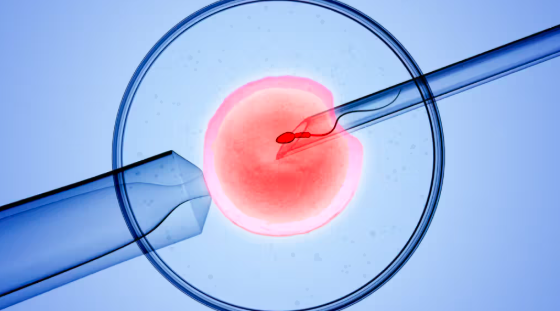
During IVF treatment, doctors collect eggs from a woman’s ovaries and fertilize them with sperm inside a laboratory. Once embryos develop, doctors transfer one or more embryos into the uterus with the goal of achieving pregnancy.
IVF treatment involves several stages, including:
| IVF Step | Description |
|---|---|
| Fertility Testing | Doctors examine reproductive health |
| Ovulation Medication | Hormones stimulate egg production |
| Egg Retrieval | Eggs are collected from ovaries |
| Fertilization | Eggs and sperm combine in a lab |
| Embryo Development | Embryos grow for several days |
| Embryo Transfer | Embryos are placed into uterus |
| Pregnancy Testing | Doctors confirm pregnancy |
IVF can be emotionally, physically, and financially demanding. Because of the high expenses, patients carefully check whether their healthcare plan provides any assistance.
Why People Need IVF Treatment?
There are many medical reasons why couples may require IVF treatment. Some people face fertility issues because of age, hormonal imbalance, blocked fallopian tubes, low sperm count, or unexplained infertility.
In other cases, IVF may help individuals with genetic conditions avoid passing inherited diseases to their children. Some single parents and same-sex couples also use IVF to build families.
Common reasons for IVF include:
- Female infertility problems
- Male infertility issues
- Endometriosis
- Ovulation disorders
- Age-related fertility decline
- Blocked fallopian tubes
- Unexplained infertility
- Genetic testing requirements
Because infertility affects both emotional and mental health, many families hope healthcare programs will support fertility treatment costs.
Does Impact Health Cover IVF?
One of the most searched questions online is does impact health cover ivf. In most situations, Impact Health Sharing does not fully cover IVF treatment or infertility-related procedures. Fertility services are commonly considered non-eligible expenses under many health-sharing guidelines.
This means expenses connected to IVF may not qualify for cost sharing among members. These expenses can include fertility medications, egg retrieval procedures, embryo freezing, laboratory fertilization, and embryo transfer treatments.
However, policies can change over time, and coverage details may vary depending on membership type or updated guidelines. For this reason, members should always review official plan documents carefully before making medical decisions.
People often misunderstand healthcare sharing programs and assume they work exactly like insurance companies. In reality, healthcare sharing ministries and organizations may exclude treatments considered elective, non-emergency, or reproductive assistance services.
Before starting IVF, patients should contact Impact Health directly and ask detailed questions regarding:
- Fertility consultations
- Diagnostic testing
- Hormonal medications
- Egg freezing
- Embryo storage
- IVF laboratory services
- Pregnancy-related coverage
Understanding these details early can prevent financial surprises later.
Understanding Fertility Treatment Coverage
Fertility treatment coverage varies significantly between healthcare providers. Some traditional insurance companies provide partial IVF benefits, while others offer no support at all.
Coverage depends on several important factors, including:
| Coverage Factor | Impact on IVF Benefits |
|---|---|
| State Laws | Some states require fertility coverage |
| Employer Plans | Company-sponsored plans may include IVF |
| Type of Insurance | Traditional insurance differs from sharing plans |
| Medical Diagnosis | Some plans require infertility diagnosis |
| Waiting Periods | Coverage may start after specific time |
| Annual Limits | Some plans cap fertility spending |
Many insurance providers only cover diagnostic testing but exclude actual IVF procedures. Others may pay for medications while excluding embryo transfer.
This is why researching does impact health cover ivf is extremely important before beginning treatment.
Services Usually Not Covered by Impact Health
Many healthcare sharing programs exclude services considered elective or non-essential. IVF and fertility treatments often fall into this category.
Services commonly excluded may include:
- In Vitro Fertilization (IVF)
- Artificial insemination
- Fertility drugs
- Embryo freezing
- Egg freezing
- Surrogacy expenses
- Genetic embryo testing
- Fertility preservation procedures
Although exclusions are common, some diagnostic testing connected to underlying medical conditions might still qualify in certain situations.
Always read the membership guidelines carefully because healthcare sharing programs can change rules and eligibility requirements.
Difference Between Health Insurance and Health Sharing Plans

Many people confuse health-sharing organizations with traditional health insurance companies. Understanding the difference helps answer the question does impact health cover ivf more clearly.
Traditional Health Insurance
Traditional insurance companies operate under government regulations and contractual obligations. Members pay monthly premiums, and the insurance company is legally responsible for covered claims.
Traditional insurance may offer:
- Broader coverage
- Prescription support
- Fertility benefits in some plans
- Preventive care coverage
- Network hospitals and doctors
Health Sharing Programs
Healthcare sharing organizations are membership-based programs where participants share medical expenses voluntarily according to guidelines.
These programs may have:
- Lower monthly costs
- Fewer regulations
- More exclusions
- Religious or ethical guidelines
- Limited fertility coverage
Because of these differences, IVF treatment is less commonly supported under healthcare sharing models.
Common IVF Costs Patients Should Know

IVF is one of the most expensive fertility treatments available. Costs can vary depending on clinic location, medications, laboratory services, and number of cycles needed.
Here is a general breakdown of common IVF expenses:
| IVF Expense | Estimated Cost |
|---|---|
| Initial Consultation | $200 – $500 |
| Fertility Testing | $1,000 – $3,000 |
| IVF Medications | $3,000 – $7,000 |
| Egg Retrieval | $3,000 – $5,000 |
| Laboratory Procedures | $2,000 – $5,000 |
| Embryo Transfer | $2,000 – $4,000 |
| Embryo Freezing | $500 – $2,000 |
| Total IVF Cycle | $12,000 – $25,000 |
Some couples require multiple IVF cycles before pregnancy occurs, increasing total costs significantly.
Alternative Fertility Treatment Options
If IVF is not covered, some patients explore alternative fertility treatments that may be less expensive. Common alternatives include:
Fertility Medications
Doctors may prescribe medications to stimulate ovulation naturally.
Intrauterine Insemination (IUI)
IUI is less expensive than IVF and involves placing sperm directly into the uterus.
Lifestyle Improvements
Weight management, healthy diet, exercise, and stress reduction can improve fertility naturally in some cases.
Fertility Financing Programs
Some clinics offer payment plans and financing options to reduce financial pressure.
These alternatives may help patients who cannot afford full IVF treatment.
How to Check Your Health Plan Benefits?
Before beginning treatment, patients should carefully review their healthcare benefits.
Important steps include:
- Read official membership documents carefully
- Contact customer service directly
- Ask for written confirmation of coverage
- Verify medication coverage separately
- Understand exclusions and waiting periods
- Confirm laboratory and specialist benefits
- Check annual or lifetime fertility limits
Asking clear questions can help avoid unexpected medical bills later.
Questions to Ask Before Starting IVF

Patients should gather complete information before making decisions about fertility treatment.
Important questions include:
- Does Impact Health cover IVF procedures?
- Are fertility medications included?
- Is diagnostic testing eligible?
- Are specialist visits covered?
- Are pregnancy complications covered afterward?
- Is there any reimbursement option?
- Are there annual spending limits?
Detailed communication with providers is extremely important.
Tips for Reducing IVF Expenses
Although IVF can be costly, there are several ways families may reduce financial stress.
Compare Fertility Clinics
Different clinics charge different prices for treatment packages.
Ask About Discounts
Some clinics offer discounts for military families, teachers, or multiple IVF cycles.
Use Health Savings Accounts
HSA or FSA accounts may help pay qualified medical expenses using pre-tax money.
Look for Grants
Some nonprofit organizations provide fertility grants to eligible couples.
Consider Shared-Risk Programs
Some fertility clinics refund part of the cost if treatment is unsuccessful.
Careful planning can make fertility treatment more manageable financially.
Pros and Cons of IVF Coverage Plans
Understanding both advantages and disadvantages helps patients make informed decisions.
| Pros | Cons |
|---|---|
| Reduces financial burden | Coverage may be limited |
| Improves treatment access | Waiting periods may apply |
| Helps families grow | Some procedures excluded |
| Covers medications in some plans | High monthly premiums possible |
| Provides emotional support | Complex eligibility rules |
Coverage quality varies greatly between providers.
Other Insurance Providers That May Cover IVF
Some traditional insurance companies offer fertility benefits depending on state laws and employer-sponsored plans.
Potential IVF-supporting plans may include:
- Employer-sponsored health insurance
- State-mandated fertility coverage plans
- Premium private insurance packages
- Specialized fertility insurance riders
Patients should compare different providers carefully before selecting coverage.
Important Terms Related to Fertility Coverage
Understanding fertility-related insurance terms can help patients avoid confusion.
| Term | Meaning |
|---|---|
| IVF | In Vitro Fertilization |
| IUI | Intrauterine Insemination |
| Fertility Specialist | Doctor treating infertility |
| Deductible | Amount paid before coverage begins |
| Copayment | Fixed payment for services |
| Out-of-Pocket Maximum | Highest yearly healthcare cost |
| Exclusion | Service not covered |
| Preauthorization | Approval required before treatment |
Learning these terms helps patients better understand healthcare documents.
Final Thoughts
Many people searching does impact health cover ivf want clear information before starting expensive fertility treatment. In most cases, Impact Health Sharing does not fully cover IVF services because fertility treatments are often considered non-eligible expenses.
However, coverage rules can vary, so it is always important to review the official guidelines carefully. Patients should also compare different healthcare options, ask detailed questions, and plan their finances before beginning IVF treatment. Proper research and understanding can help families make better medical and financial decisions for their future.
Frequently Asked Questions (FAQs)
Does Impact Health cover IVF treatment completely?
No, Impact Health Sharing generally does not fully cover IVF or infertility treatments because they are often considered non-shareable expenses.
Can fertility testing be covered under Impact Health?
Some diagnostic tests related to medical conditions may qualify, but members should confirm directly with the provider.
Why is IVF so expensive?
IVF involves medications, laboratory procedures, specialists, embryo transfer, and multiple treatment stages, which increase overall costs.
Are there cheaper alternatives to IVF?
Yes, alternatives like fertility medications, IUI, lifestyle changes, and financing programs may cost less than IVF.
Should I contact Impact Health before starting IVF?
Yes, always contact the provider directly to understand eligibility, exclusions, and any possible benefits before beginning treatment.
Related Articles
What’s the Difference Between a Fracture and a Broken Bone?
How to Treat a Sprained Wrist Fast: Complete Informative Guide
Estrella Women’s Health Center: Complete Care Approach, and Women’s Health Solutions
Embrace Health: Complete Guide to Services, Telehealth, Technology, and Future Innovations
LifeX Health Insurance Explained: Plans, Coverage, Cost, Benefits and Full Detailed Guide