A clear liquid diet consists of transparent fluids like water, broth, and pulp-free juices that are easy to digest, leave no residue in the intestines, and help maintain hydration. It’s commonly recommended before medical procedures or during digestive issues when your body needs a break from solid foods.
In this complete guide, we’ll explore the key benefits of a clear liquid diet, along with its potential risks and side effects you should be aware of. You’ll also learn the important warning signs and when to call a doctor to avoid complications. Whether you’re preparing for a procedure or managing a health condition, this guide will help you follow the diet safely and effectively.
What Is a Clear Liquid Diet?
Think of a clear liquid diet as the digestive system’s version of rest mode. It includes only liquids you can see through that stay fluid at room temperature — designed to keep your body hydrated while allowing your gut to completely shut down digestion. It is a short-term, medically prescribed plan that produces virtually zero intestinal residue.
Why Is a Clear Liquid Diet Prescribed?
Doctors prescribe a clear liquid diet for one core reason: to protect the digestive tract during vulnerable medical moments.
Whether you’re counting down to a colonoscopy or recovering from abdominal surgery, here are the key situations where this diet becomes essential.
Before Medical Procedures (Colonoscopy, Surgery)
Before a colonoscopy or surgery, even a small amount of undigested food in the intestines can obscure the camera view or increase the risk of complications under anesthesia.
Gastroenterologists recommend starting a clear liquid diet 24–48 hours before the procedure. It also lowers the risk of aspiration — a dangerous complication that occurs when stomach contents enter the lungs during general anesthesia.
Digestive Issues (Vomiting, Diarrhea)
Vomiting and diarrhea rapidly deplete the body of fluids and electrolytes — particularly sodium and potassium. Reaching for clear liquids like oral rehydration solutions, broth, and electrolyte drinks replaces these losses without adding any burden on an already-inflamed digestive tract.
Post-Surgery Recovery
Post-surgical recovery demands patience with food. After bowel surgery, the intestines can go temporarily ‘quiet’ — a state called ileus — and need gentle reactivation before they can handle solid food. Clear liquids are the first rung on the recovery ladder, allowing the gut to restart function without being overwhelmed.
How the Clear Liquid Diet Works
Here’s the science behind it: clear liquids are absorbed almost entirely in the stomach and upper small intestine — meaning the lower bowel receives nothing to process. This near-zero residue load is what makes the diet uniquely effective for bowel prep and post-surgical recovery. Because there is no solid waste to move, the entire digestive tract can rest, heal, or be cleanly examined.
What Can You Eat on a Clear Liquid Diet?
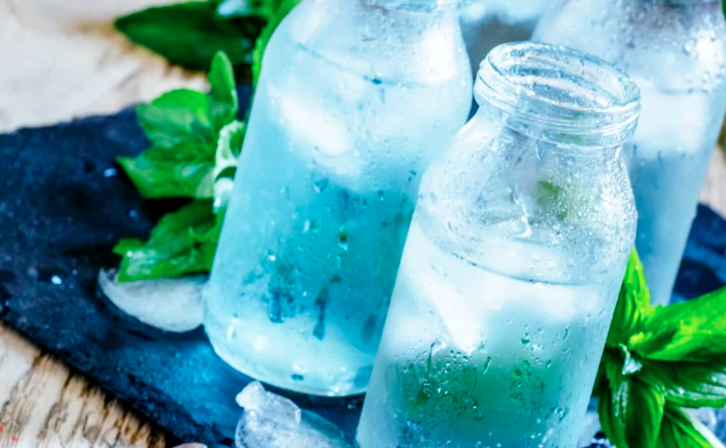
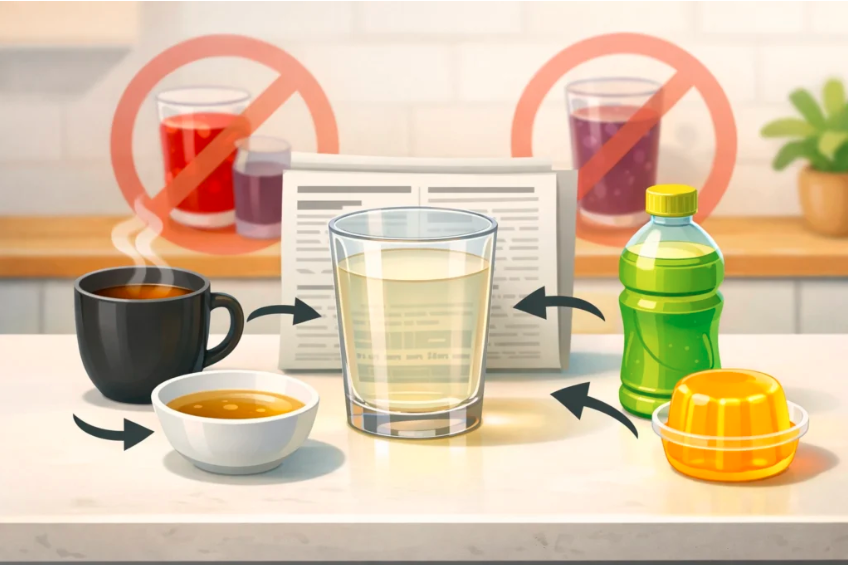
A clear liquid diet includes only see-through liquids that are easy to digest and leave no residue. Here are the approved options:
- Water — aim for at least 8 cups daily; this is your hydration foundation
- Clear broth (chicken, beef, vegetable) — provides sodium and light flavor; choose low-sodium if you have hypertension
- Apple or white grape juice (no pulp) — adds simple carbohydrates for minimal energy; 4 oz portions
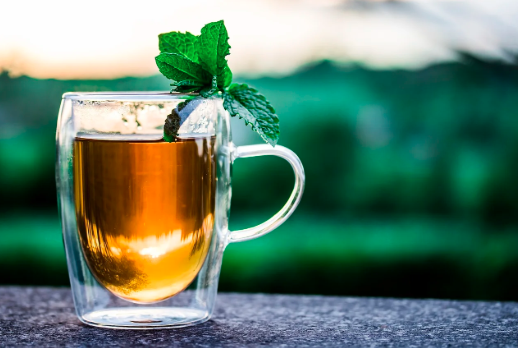
- Tea or black coffee (no milk, no creamer) — warmth and mild stimulation without fat or residue
- Plain gelatin (Jell-O, non-red/purple) — easy to consume and tolerate; provides a sense of eating
- Sports drinks (clear/light-colored) — choose low-sugar versions if diabetic; avoid red or purple varieties
- Sugar-free popsicles (no cream, no red/purple dye) — great for nausea; makes the diet more tolerable
- Honey or sugar (in small amounts, dissolved in tea) — limited calorie addition if permitted by your doctor
Foods and Drinks to Avoid
If you can chew it, it doesn’t belong on this diet. Here is a complete list of what to avoid and why:
Solid Foods
Every solid food — regardless of how soft or light it seems — requires mechanical digestion and leaves residue behind. This means no bread, rice, oatmeal, eggs, meat, fruit, or vegetables. Even ‘light’ foods like crackers, yogurt, or smoothies are off-limits.
Dairy Products
Milk, cream, cheese, and yogurt are not transparent, contain fat and protein that require digestion, and can leave residue. Even a splash of milk in coffee makes it non-compliant. Dairy also increases bloating risk in sensitive stomachs.
Red or Purple Dyes
Red and purple dyes in drinks or foods can mimic the appearance of blood or tissue during endoscopic procedures, leading to false alarms or the need for repeat tests. Always check labels — even ‘clear’ cranberry or grape-flavored drinks often contain these dyes.
Opaque or Pulp-Containing Liquids
Smoothies, juices with pulp, tomato juice, and milky teas all contain suspended particles that leave residue in the digestive system. If you cannot see through it, it is not permitted.
Clear Liquid Diet Meal Plan (3 Days)
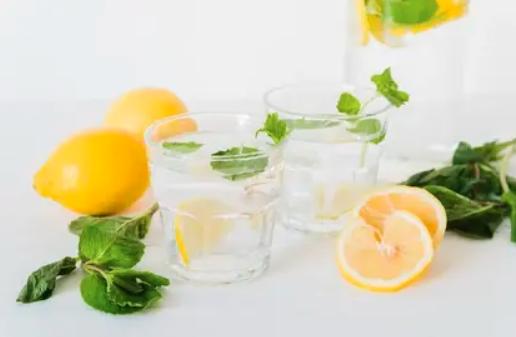
Below is a time-specific, portion-guided 3-day meal plan. Each day has a different theme and different flavors to reduce monotony.
Day 1 — Focus: Hydration Reset
- Morning (7–9 AM): 1 cup warm water + black tea or black coffee; 4 oz apple juice (no pulp)
- Mid-Morning (10–11 AM): 1 cup low-sodium clear chicken broth
- Afternoon (12–2 PM): 1 cup sports drink (light-colored) + 1 gelatin cup
- Evening (5–7 PM): 1 cup clear vegetable broth + herbal tea
- Before Bed: 8 oz water + sugar-free popsicle (no cream, no red dye)
- Estimated calories: 300–450 kcal
Day 2 — Focus: Electrolyte Balance
- Morning (7–9 AM): Warm water + black coffee + 4 oz white grape juice
- Mid-Morning: 1 cup clear beef broth (salted) — boosts sodium levels
- Afternoon: 1 gelatin cup + 1 cup lemon-lime sports drink
- Evening: 1 cup clear chicken broth + chamomile tea
- Before Bed: 8 oz water + sugar-free popsicle
- Estimated calories: 350–480 kcal
Day 3 — Focus: Sustained Energy
- Morning (7–9 AM): 8 oz warm water + black coffee + 4 oz white grape juice
- Mid-Morning: 1 cup beef or bone broth (clear, no solids)
- Afternoon: 2 gelatin cups (different flavors) + 1 cup lemon-lime sports drink
- Evening: 1 cup clear chicken broth + peppermint or ginger tea
- Before Bed: 8 oz water; optional sugar-free clear popsicle
- Estimated calories: 380–500 kcal
Calorie Count on a Clear Liquid Diet
Most clear liquid diets provide between 500–800 calories per day — far below the adult daily requirement of 1,800–2,500 calories. This calorie deficit is acceptable for 3–5 days in healthy adults, but causes significant fatigue, weakness, and hunger. Planning your liquid schedule (as shown above) helps maintain steadier blood sugar and energy throughout the day.
Benefits of a Clear Liquid Diet

When used correctly, a clear liquid diet delivers three specific, medically important benefits:
Keeps You Hydrated
Fluids like water, broth, and sports drinks maintain hydration when solid food intake is impossible. This is critical during illness-related vomiting and diarrhea, which can cause life-threatening dehydration within 24–48 hours if untreated.
Gives the Digestive System Complete Rest
Because clear liquids bypass significant digestion, the stomach, pancreas, liver, and intestines all reduce their activity dramatically. This rest period is essential for gut healing post-surgery and for preventing irritation during acute illness.
Ensures Effective Medical Procedure Preparation
Clean bowel preparation directly impacts the quality and safety of colonoscopies, CT scans, and abdominal surgeries. Studies show that inadequate bowel prep requires procedure repeat rates of up to 25% — a risk largely eliminated by following the clear liquid diet correctly.
Risks and Side Effects
Because a clear liquid diet provides very limited nutrients, it should only be followed short-term and with medical awareness of these risks:
- Protein and micronutrient deficiency — zero protein, fat, or fat-soluble vitamins (A, D, E, K); manageable for 3–5 days in healthy adults
- Severe hunger — 500–800 kcal/day is far below maintenance; expect persistent hunger, especially on Day 1
- Blood sugar instability — diabetics face heightened risk; track glucose every 4–6 hours and choose sugar-free options
- Fatigue and weakness — low calorie and protein intake leads to muscle fatigue; avoid any strenuous activity
- Electrolyte imbalance — extended liquid diets can deplete sodium, potassium, and magnesium; use electrolyte drinks to mitigate
How Long Can You Stay on a Clear Liquid Diet?
Most adults can safely follow a clear liquid diet for 3–5 days without significant nutritional harm. Beyond that window, the risk of muscle loss, immune suppression, and electrolyte imbalance rises substantially. According to Cleveland Clinic guidelines, extended liquid diets should only continue under active medical monitoring with possible IV nutritional supplementation.
Tips to Stay Full and Hydrated
A clear liquid diet can feel limiting, so following a few simple tips can help you stay full and properly hydrated—below are practical ways to manage it.
Set a Hydration Schedule
Don’t rely on thirst cues — thirst often signals you’re already mildly dehydrated. A practical target: 6–8 oz of fluid every 60–90 minutes while awake. Set phone reminders if needed.
Use Variety to Combat Monotony
Rotate between broth, gelatin, juices, herbal teas, and sports drinks across the day. Serving broth warm and gelatin cold creates textural variety that makes the diet significantly more tolerable.
Prioritize Rest Over Activity
With only 500–800 kcal available, your body has no energy buffer for exercise. Light walking is fine, but any intense physical effort risks dizziness, fainting, and accelerated dehydration.
Clear Liquid Diet vs Full Liquid Diet — Comparison
Understanding the difference helps you know which diet your doctor is prescribing:
| Feature | Clear Liquid Diet | Full Liquid Diet |
| Transparency | Fully clear — see-through only | Not required — includes opaque liquids |
| Includes Dairy | ❌ Not allowed | ✅ Allowed (milk, cream, yogurt) |
| Examples | Water, broth, clear juice, black tea/coffee | Milk, smoothies, cream soups, pudding, yogurt |
| Purpose | Procedure prep & digestive rest | Recovery and gradual nutritional support |
| Calorie Range | ~500–800 kcal/day | ~1,000–1,400 kcal/day |
| Nutrition Level | Very low (no protein/fat) | Moderate (includes protein/fat from dairy) |
| Satiety | Less filling — significant hunger expected | More filling — tolerable for longer periods |
| Typical Duration | 1–5 days | 5–14 days or longer under supervision |
Pre-Colonoscopy Checklist
Use this checklist to make sure you are fully prepared:
- Start clear liquid diet 24–48 hours before procedure (confirm timing with your doctor).
- Purchase: broth, apple juice, white grape juice, light-colored sports drinks, gelatin, sugar-free popsicles.
- Avoid red, orange, and purple-colored liquids entirely.
- Take prescribed bowel prep medication at the time your doctor specifies.
- Stay near a bathroom once prep medication begins.
- Hydrate aggressively the day before — target 10+ cups of clear liquid.
- Do not eat or drink anything after midnight the night before (unless told otherwise).
- Arrange transportation home — you cannot drive after sedation.
When to Call a Doctor?

Call your doctor immediately — or go to an emergency room — if you experience any of the following while on a clear liquid diet:
- Abdominal pain rated 7/10 or higher on a pain scale
- Inability to keep any fluids down for more than 4 consecutive hours
- No urination for 8+ hours (sign of severe dehydration)
- Dizziness, fainting, or confusion when standing up (orthostatic hypotension)
- Blood in any fluid you pass — urine, vomit, or stool
- Fever above 101°F (38.3°C)
- Heart palpitations or irregular heartbeat
Frequently Asked Questions
Can I eat ice cream on a clear liquid diet?
No. Ice cream contains dairy fat and is opaque, making it non-compliant. Sugar-free, non-dairy, non-cream popsicles are an acceptable alternative.
Can diabetics follow a clear liquid diet?
Yes — but with active blood sugar monitoring (every 4–6 hours), sugar-free options, and guidance from your endocrinologist. Some liquids like apple juice can spike glucose rapidly.
Can I drink soda on a clear liquid diet?
Clear, colorless sodas like ginger ale or lemon-lime soda are generally permitted. However, avoid carbonated drinks if you’re experiencing nausea or bloating — carbonation can worsen gas. Avoid any colored sodas. Always confirm with your doctor if the diet is for pre-procedure prep.
When should I stop a clear liquid diet?
Stop and contact your healthcare provider if you experience the warning signs listed above, or when your doctor clears you to reintroduce soft or solid foods. Never extend the diet beyond 5 days without medical guidance.
Why is a clear liquid diet required before a colonoscopy?
Residual food in the colon obstructs the camera view, makes polyps harder to detect, and increases the risk of requiring a repeat procedure. A clean colon significantly improves diagnostic accuracy and patient safety.
How many calories are in a clear liquid diet?
Typically 500–800 calories per day — far below the adult requirement of 1,800–2,500 calories. This deficit is safe for 3–5 days in healthy adults but will cause noticeable fatigue and hunger.
Conclusion
A clear liquid diet is a powerful short-term medical tool — but only when used correctly. It keeps you hydrated, rests your digestive system, and ensures clean preparation for procedures.
The key to using it safely is keeping it short (3–5 days), staying in contact with your healthcare provider, and transitioning back to full foods deliberately.
If you’re reading this before a colonoscopy or surgery, you’re already doing the right thing by preparing. Follow the plan, trust the process, and you’ll get through it.
Related Articles
Jason Health Labs: Complete Guide to Affordable Online Lab Testing Services
Detego Health Provider Portal: Complete Guide for Healthcare Providers
EZ Gel Under Eye: A Complete Guide to Natural Under-Eye Rejuvenation
Does Tennis Elbow Cause Shoulder Pain? Causes, Symptoms, Treatment & Prevention Guide