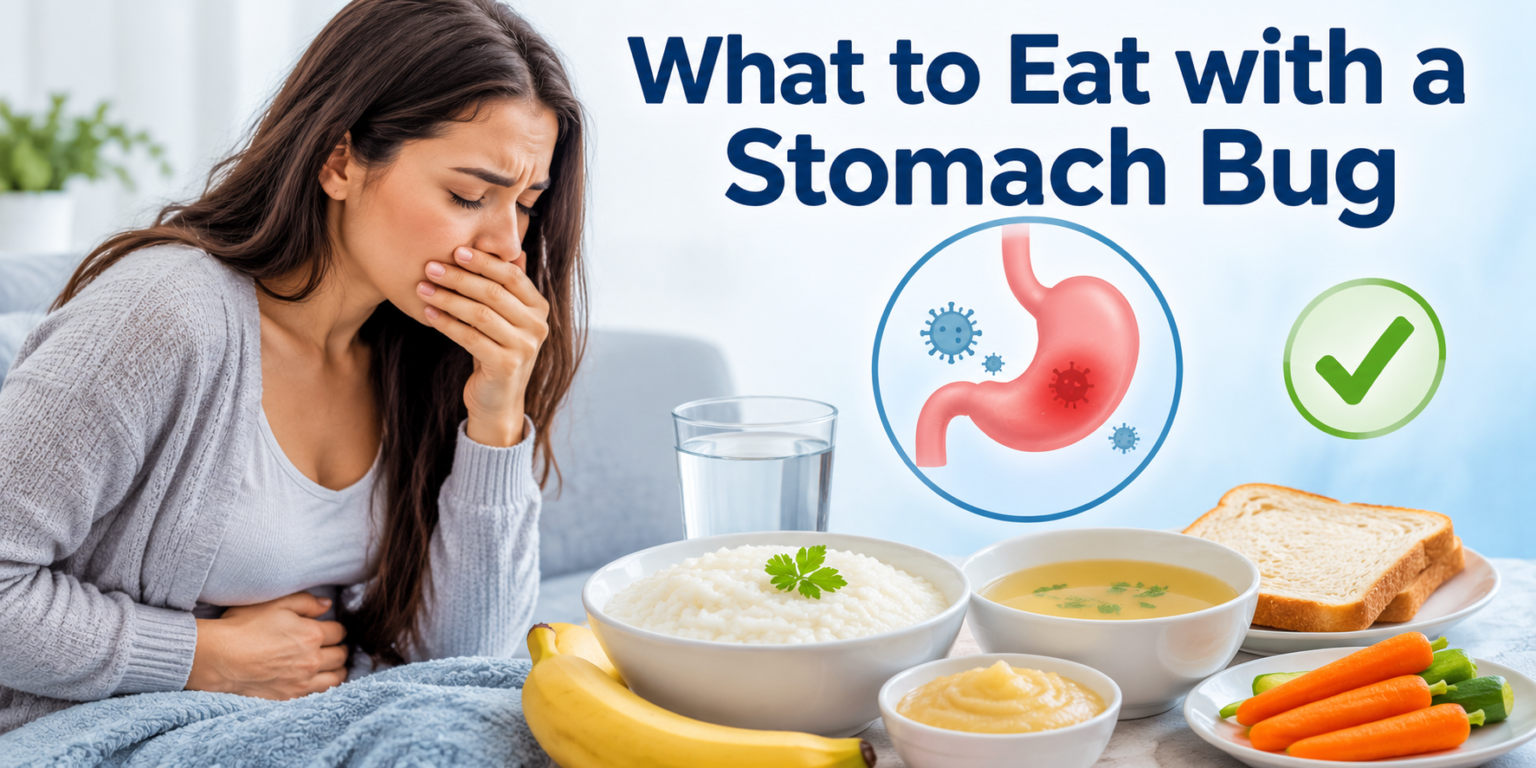
When your stomach is churning and every meal feels like a gamble, knowing what to eat with a stomach bug becomes the difference between prolonging your misery and getting back on your feet quickly. The right foods calm an irritated digestive system, replace lost fluids, and give your body the gentle fuel it needs without triggering more nausea, cramping, or diarrhea.
Bland, low-fiber, easy-to-digest choices like bananas, rice, toast, and clear broths are widely recommended during this recovery window. Below, you will find a complete breakdown of what to eat, what to avoid, and when it is safe to return to your normal diet.
A stomach bug, medically known as viral gastroenteritis, temporarily inflames the lining of your stomach and intestines. This makes digestion harder, which is why food choices matter so much during the illness. Eating the wrong things can worsen symptoms and stretch out recovery time, while the right foods help you heal faster. This guide covers everything from the classic BRAT diet to hydration strategies and signs it is time to call a doctor.
Key Takeaways
- Stick to bland, low-fat, easy-to-digest foods such as bananas, rice, toast, and applesauce during the first 24 to 48 hours.
- Hydration matters more than food in the early stages, so prioritize water, oral rehydration solutions, and clear broths.
- Avoid dairy, fried foods, caffeine, alcohol, and spicy dishes until your digestive system has settled.
- Reintroduce solid foods gradually, watching how your body responds at each step.
- Seek medical attention if symptoms persist beyond a few days or if signs of severe dehydration appear.
Understanding Stomach Bugs and Why Food Choices Matter
A stomach bug is usually caused by a viral infection that irritates the stomach and intestinal lining, leading to nausea, vomiting, diarrhea, and cramping. Because the digestive system is inflamed during this time, what you eat directly affects how quickly you recover, as explained below.
What Causes a Stomach Bug?
Viral gastroenteritis is most often caused by norovirus or rotavirus, both of which spread easily through contaminated food, water, or close contact with an infected person. These viruses attack the stomach lining and small intestine, disrupting normal digestion and fluid absorption. This is why nausea and diarrhea appear so quickly after exposure.
How Long Symptoms Typically Last?
Most stomach bugs run their course within one to three days, though some cases can linger for up to a week depending on the virus and the person’s overall health. Symptoms usually peak within the first 24 hours and then gradually improve. Staying hydrated and eating gently during this window helps shorten the recovery period.
Why the Right Foods Speed Recovery?
Bland, low-fiber foods require less digestive effort, which reduces strain on an already inflamed gut. Choosing the right foods also helps stabilize blood sugar and replace lost nutrients without triggering further vomiting or diarrhea. This is the core reason food selection plays such a central role in recovering from a stomach bug.
The BRAT Diet Explained
The BRAT diet is a long-recommended starting point for anyone wondering what to eat with a stomach bug, since each component is gentle, low in fiber, and unlikely to irritate the stomach. It is a short-term bridge back to normal food, not a long-term plan.
Bananas — Why They Help
Bananas are soft, easy to digest, and rich in potassium, a mineral often lost through vomiting and diarrhea. Their natural sugars provide a small energy boost without overwhelming a sensitive stomach. Ripe bananas are generally the easiest to tolerate during recovery.
Rice — Best Preparation
Plain white rice, cooked without butter, oil, or seasoning, is one of the gentlest starches you can eat. It is low in fiber and binds well in the digestive tract, which can help firm up loose stools. Avoid brown rice initially, as its higher fiber content can be harder to digest.
Applesauce — Benefits
Applesauce offers natural sweetness along with pectin, a soluble fiber that can help ease diarrhea. Because it is smooth and requires little chewing or digestive effort, it is often well tolerated even when other foods are not. Choose unsweetened varieties whenever possible.
Toast — What to Avoid Adding
Plain dry toast is easy on the stomach because it is simple, low in fat, and gentle on digestion. Avoid adding butter, jam, or heavy spreads, since fats and sugars can aggravate nausea. A light drizzle of honey is sometimes tolerated better than butter if you want a bit of flavor.
Best Foods to Eat During a Stomach Bug
Beyond the BRAT staples, other foods can support recovery once your stomach starts to settle, including broths, starches, proteins, and hydrating options.
Clear Broths and Soups
Chicken or vegetable broth provides fluids, sodium, and a small amount of nourishment without demanding much digestive effort. Sipping warm broth slowly can also soothe stomach discomfort. Skip cream-based soups until your stomach has fully recovered.
Plain Starches (Potatoes, Crackers, Oatmeal)
Boiled or mashed potatoes without butter, plain saltine crackers, and simple oatmeal are all easy-to-digest carbohydrate sources. These foods help restore energy while being gentle on an irritated gut. Keep portions small and avoid adding cream, cheese, or heavy toppings.
Lean Proteins (Boiled or Steamed Chicken)
Once nausea has eased somewhat, small portions of plain, skinless, boiled or steamed chicken can provide protein without excess fat. Avoid frying, heavy seasoning, or rich sauces, since these can slow digestion and worsen symptoms. Shredding the chicken finely can make it easier to tolerate.
Hydrating Foods (Coconut Water, Electrolyte Drinks)
Coconut water and oral electrolyte drinks help replace sodium, potassium, and other minerals lost through vomiting and diarrhea. These fluids are often gentler than plain water alone because they support better fluid absorption. Sipping small amounts frequently is more effective than drinking large quantities at once.
Foods and Drinks to Avoid
Certain foods aggravate an inflamed digestive system and prolong recovery. Knowing what to avoid is just as important as knowing what to eat with a stomach bug, since the wrong choices can trigger a relapse.
Dairy Products
Milk, cheese, and other dairy items can be harder to digest during a stomach bug, partly because temporary lactose intolerance is common after intestinal inflammation. This can lead to bloating, gas, or renewed diarrhea. It is best to avoid dairy until digestion has fully normalized.
Fried and Fatty Foods
Fried foods and anything high in fat take longer to digest and can worsen nausea or trigger vomiting. Fat slows stomach emptying, which puts extra strain on an already sensitive digestive tract. Stick to low-fat, simple preparations instead.
Caffeine and Alcohol
Coffee, energy drinks, and alcohol can irritate the stomach lining further and contribute to dehydration. Caffeine in particular can stimulate the gut in ways that worsen diarrhea. Both are best avoided entirely until you have fully recovered.
Spicy and Acidic Foods
Spicy dishes and acidic foods such as citrus or tomato-based sauces can irritate an already inflamed stomach lining. These foods may intensify cramping or discomfort even after nausea has started to improve. Reintroduce them slowly once your stomach has settled completely.
Hydration Strategy During a Stomach Bug
Fluid loss from vomiting and diarrhea is often the biggest risk during a stomach bug, which is why hydration deserves just as much attention as food choices. A steady, gentle approach to fluids supports faster recovery and helps prevent complications.
Oral Rehydration Solutions (ORS)
Oral rehydration solutions are specifically formulated to replace lost water, sodium, and glucose in the right balance for absorption. They are especially useful when vomiting or diarrhea has been frequent. These solutions are widely available at pharmacies and can also be prepared at home under guidance from a healthcare provider.
Small, Frequent Sips vs. Large Amounts
Drinking large amounts of fluid at once can overwhelm a sensitive stomach and trigger more vomiting. Taking small sips every few minutes is far more effective at keeping fluids down and supporting steady rehydration. This approach also applies to broths, electrolyte drinks, and plain water.
Signs of Dehydration to Watch For
Dark urine, dry mouth, dizziness, and reduced urination are common early signs of dehydration during a stomach bug. In more severe cases, confusion or a rapid heartbeat may develop, which signals a need for prompt medical attention. Monitoring these signs closely helps determine when home care is enough and when professional help is needed.
Comparison Table — Recovery Foods by Symptom Stage
| Recovery Stage | Recommended Foods | Hydration Focus | Notes |
| Early Symptoms (First 24 Hours) | Clear broth, plain crackers, small sips of water | Oral rehydration solutions, small frequent sips | Focus on fluids over food if nausea is severe |
| Improving (Day 2–3) | Bananas, rice, applesauce, toast, boiled potatoes | Water, coconut water, diluted electrolyte drinks | Introduce the BRAT diet gradually |
| Recovery (Day 3 Onward) | Plain chicken, oatmeal, mild vegetables, plain pasta | Regular water intake, normal fluid habits | Begin reintroducing regular foods slowly |
When to Reintroduce Normal Foods
Returning to your regular diet too quickly can undo your progress, while waiting too long is unnecessary once your stomach has genuinely settled. The sections below explain how to recognize readiness and move forward safely.
Signs You’re Ready
Reduced nausea, no vomiting for at least eight hours, and a returning appetite are good signs that your digestive system is ready for slightly heartier foods. Normal bowel movements or firming stools also indicate improvement. These signals suggest it is safe to expand your food choices gradually.
Step-by-Step Food Reintroduction
Start by adding one new food at a time, beginning with mild options like plain pasta or steamed vegetables, and wait a few hours to see how your body responds. If no symptoms return, continue expanding your diet gradually over the next day or two. Avoid jumping straight back to heavy, fatty, or spicy meals even if you feel mostly recovered.
When to See a Doctor
While most stomach bugs resolve on their own with rest, fluids, and gentle foods, certain warning signs mean it is time to seek medical care rather than continuing home treatment alone.
Warning Signs of Severe Dehydration
Persistent dizziness, a rapid heartbeat, very dark urine, or an inability to keep any fluids down for more than a few hours are signs of significant dehydration. In young children and older adults, these signs can develop more quickly and require faster attention. If dehydration is suspected, medical evaluation should not be delayed.
Symptoms That Need Medical Attention
Blood in vomit or stool, a high fever, severe abdominal pain, or symptoms lasting more than three days all warrant a visit to a healthcare provider. These signs may indicate a more serious infection or complication beyond a typical stomach bug. Prompt evaluation helps prevent the situation from worsening.
Frequently Asked Questions
Can I eat eggs with a stomach bug? Eggs can be difficult to digest early on due to their fat content, so it is best to wait until nausea has eased before trying small, plain portions like a soft-boiled egg.
Is ginger ale actually helpful? Flat ginger ale or real ginger tea can help ease nausea for some people, but carbonated versions with high sugar content should be avoided since they may worsen bloating.
How soon can I eat solid food again? Most people can begin reintroducing solid foods within 24 to 48 hours, starting with bland options and expanding gradually based on how their stomach responds.
Should I take probiotics? Probiotics may help restore healthy gut bacteria after a stomach bug, but it is best to introduce them once vomiting has stopped and to check with a healthcare provider first.
Can kids follow the same diet? Children can generally follow similar bland-food guidelines, though hydration needs closer monitoring since kids dehydrate more quickly than adults.
Conclusion
Knowing what to eat with a stomach bug can make recovery noticeably smoother and faster. Prioritizing hydration, choosing bland and easy-to-digest foods like the BRAT diet, and avoiding dairy, fried foods, and caffeine all support your body’s natural healing process.
Reintroduce regular meals gradually, and if severe symptoms or dehydration signs appear, seek medical care promptly.
RELATED ARTICLES
MyChart First Health: Complete Guide to Registration, Login, Features, Appointments, and Billing
Do You Gain Weight During Your Period? Causes, Truth & Simple Tips to Feel Better
Estrella Women’s Health Center: Complete Care Approach, and Women’s Health Solutions
Can Allergies Cause Dizziness? Causes, Symptoms, and Relief
Spider Veins on Stomach: Causes, Risk Factors, and Treatment Options