
If you or someone you love lives with asthma, you’ve probably wondered whether a humidifier could make breathing easier — but the answer isn’t as straightforward as you might think. While adding moisture to the air can soothe irritated airways in some cases, it can just as easily trigger symptoms if used the wrong way.
In this article, we’ll explore Humidifiers and Nighttime Asthma and take an honest look at the risks of using a humidifier with asthma, so you can make the best decision for your lungs.
What Is the Connection Between Humidity and Asthma?
High humidity triggers asthma by making the air feel heavy and activating sensory nerves in the airways, causing them to narrow and making it significantly harder to breathe.
When moisture levels in the air rise too high, the lungs have to work overtime to filter warm, dense air, which can quickly bring on wheezing, chest tightness, and shortness of breath.
Understanding this connection is key to knowing whether a humidifier will be a friend or foe to your asthma management.
Do Humidifiers Help with Asthma?

A humidifier can help with asthma by adding moisture to dry air, which soothes irritated airways and makes breathing more comfortable — but it is not a cure and should never be treated as one.
If humidity levels climb too high or the device isn’t cleaned regularly, it can become a breeding ground for mold and bacteria, which may actually worsen asthma symptoms rather than relieve them.
So while a humidifier can be a helpful tool in your asthma management plan, it only works in your favor when used correctly and maintained consistently.
Warm Mist vs Cool Mist Humidifier for Asthma — Which Is Better?
When it comes to managing asthma, the type of humidifier you choose plays a crucial role — and below we’ll discuss how each type works and which one doctors actually recommend.
How Warm Mist Humidifiers Work
Warm mist humidifiers heat water to a boiling point, releasing a soft steam that kills most bacteria and mold before dispersing into the air, making it a cleaner and more soothing option especially during cold, dry months.
How Cool Mist Humidifiers Work
Cool mist humidifiers release room-temperature vapor through a spinning disc or ultrasonic vibration, covering larger spaces efficiently — however, without heat, bacteria and mineral deposits can build up quickly if the tank isn’t cleaned regularly.
Which Type Doctors Recommend for Asthma
Most doctors recommend cool mist humidifiers for asthma patients since warm steam can irritate sensitive airways, but the real key is keeping humidity between 30% and 50% and cleaning your device consistently to avoid triggering symptoms.
Humidifier vs Dehumidifier for Asthma — How to Choose?
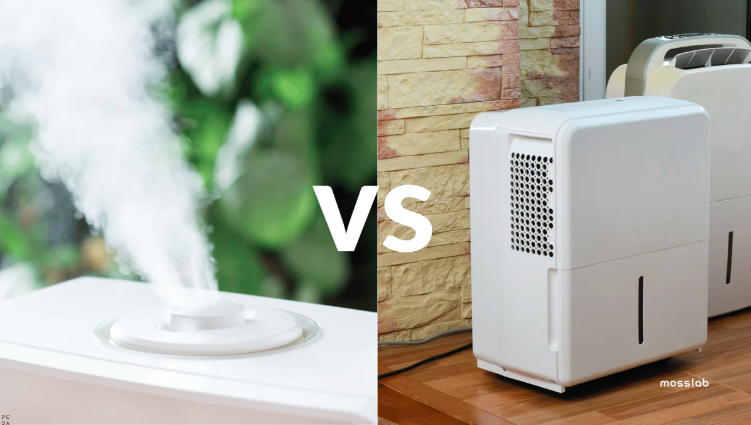
Choosing between a humidifier and a dehumidifier for asthma comes down to your specific environment and triggers — and below we’ll discuss exactly how to make the right call.
- When to Choose a Dehumidifier: If your home’s humidity levels rise above 50%, a dehumidifier is the better choice, as excess moisture creates the perfect conditions for mold growth and dust mite proliferation — two of the most common and powerful asthma triggers.
- When to Choose a Humidifier: If your indoor humidity drops below 30%, a humidifier is what you need, as overly dry air can inflame the sinuses, dry out the airways, and make asthma symptoms like coughing and wheezing significantly worse.
- How to Make the Right Choice: The simplest way to decide is to grab an affordable hygrometer to measure your home’s humidity levels — if you’re above 50% go with a dehumidifier, if you’re below 30% reach for a humidifier, and if you’re in between, focus on other asthma management strategies first.
The Risks of Using a Humidifier with Asthma
While humidifiers can offer relief for asthma sufferers, they also come with serious risks that can make symptoms worse if ignored — and below we’ll discuss the most important ones you need to be aware of.
Mold and Bacteria Growth
When a humidifier isn’t cleaned regularly, its tank becomes a breeding ground for mold and bacteria that get released directly into the air you breathe, triggering asthma attacks and worsening respiratory symptoms.
Excess Humidity Worsens Symptoms
Running a humidifier too long or at too high a setting can push indoor humidity above 50%, which creates the ideal conditions for dust mites and mold to thrive — two of the most potent asthma triggers in any home environment.
Mineral Dust from Unfiltered Water
Using tap water in a humidifier, especially in ultrasonic models, releases fine mineral dust particles into the air that can irritate sensitive airways and aggravate asthma symptoms over time.
Poor Maintenance Makes It a Health Hazard
A dirty humidifier doesn’t just stop helping — it actively harms, dispersing contaminated mist loaded with allergens and pathogens that can inflame the airways and significantly increase the frequency of asthma flare-ups.
How to Clean Your Humidifier
A humidifier only helps your asthma if it’s kept clean — and below we’ll discuss the simple but essential steps you need to follow to keep it safe and effective.
- Unplug and Empty the Tank Daily: Before cleaning, always unplug the humidifier and empty any leftover water from the tank, as standing water is the number one cause of bacteria and mold buildup inside the device.
- Rinse and Scrub with White Vinegar: Fill the tank with undiluted white vinegar, let it sit for 30 minutes, then scrub all interior surfaces with a soft brush to break down mineral deposits and kill any developing bacteria or mold.
- Disinfect with a Diluted Bleach Solution: Once scrubbed, rinse the tank thoroughly and disinfect it with a solution of one teaspoon of bleach per gallon of water, letting it sit for 20 minutes before rinsing again completely to remove any residue.
- Dry Completely Before Refilling: Allow all parts to air dry fully before reassembling and refilling the tank, as even small amounts of trapped moisture can restart bacterial growth and undo all your cleaning efforts.
- Replace Filters Regularly: If your humidifier uses a filter, replace it according to the manufacturer’s schedule — a clogged or dirty filter pushes contaminated air into your space and dramatically reduces the device’s effectiveness for asthma relief.
Humidifiers and Nighttime Asthma
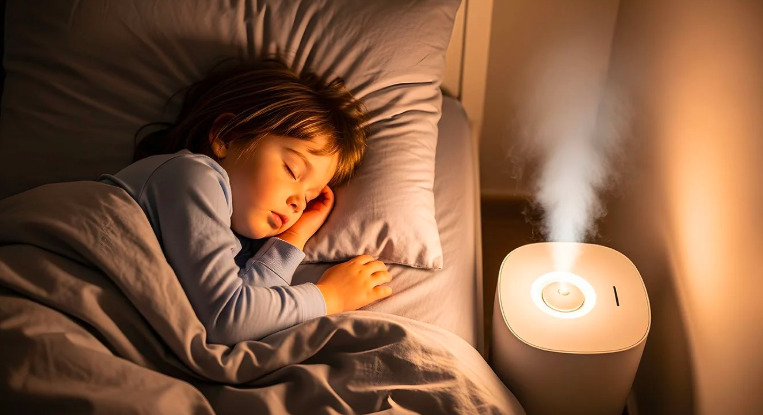
Nighttime is often when asthma symptoms hit hardest, and a properly used humidifier can make a real difference while you sleep — below we’ll discuss how it helps and what to keep in mind.
How Humidifiers Help at Night
Humidifiers help manage nighttime asthma by adding moisture to dry indoor air, which soothes irritated airways, loosens mucus, and reduces the coughing and wheezing that so commonly disrupts sleep for asthma sufferers.
Best Practices for Using a Humidifier at Night
Place the humidifier at least three feet from your bed, set it to maintain humidity between 30% and 50%, and always start with a freshly cleaned tank to ensure the mist you’re breathing overnight is clean and free of contaminants.
What to Watch Out For
Running a humidifier all night without monitoring humidity levels can push moisture too high, creating overnight conditions that promote dust mite activity and mold growth — so investing in a hygrometer to keep readings in check is strongly recommended.
Humidifier vs Air Purifier for Asthma — Which Do You Need?
Both humidifiers and air purifiers are popular tools for managing asthma, but they serve very different purposes — and below we’ll discuss which one your situation actually calls for.
- What a Humidifier Does: A humidifier adds moisture to dry indoor air, soothing irritated airways, loosening mucus, and reducing the throat and nasal dryness that can aggravate asthma symptoms — making it most useful in dry climates or during winter months when indoor air loses humidity.
- What an Air Purifier Does: An air purifier filters airborne particles like dust, pollen, pet dander, mold spores, and smoke from the air using HEPA filtration, directly removing the allergens and irritants that trigger asthma attacks rather than adjusting moisture levels.
- Which One Is Better for Asthma: For most asthma sufferers, an air purifier is the stronger first choice since it actively eliminates triggers from the air, while a humidifier only helps when dry air is the specific problem — and for those dealing with both dry air and airborne allergens, using both together is often the most effective solution.
When to See a Doctor?

A humidifier can support your asthma management, but it is never a substitute for professional medical care — and below we’ll discuss the signs that tell you it’s time to stop self-managing and see a doctor.
Your Symptoms Are Getting Worse
If you notice your wheezing, chest tightness, or shortness of breath is becoming more frequent or more severe despite using a humidifier, it’s a clear sign that your asthma needs professional evaluation and a possible adjustment to your treatment plan.
You’re Using Your Inhaler More Than Usual
Reaching for your rescue inhaler more than twice a week is a red flag that your asthma is not under control and that a doctor needs to reassess your condition, triggers, and medication before symptoms escalate further.
Nighttime Symptoms Are Disrupting Your Sleep
Waking up regularly due to coughing, breathlessness, or chest tightness is a sign of poorly controlled asthma that goes beyond what any humidifier can address and requires immediate medical attention.
You Experience a Severe Asthma Attack
If you ever experience a sudden and severe asthma attack that doesn’t respond to your inhaler, seek emergency medical care immediately — no home device or remedy is a replacement for urgent professional intervention.
Frequently Asked Questions
Can a humidifier replace asthma medication?
No, a humidifier cannot replace asthma medication under any circumstances. It is a supportive tool that helps create a more comfortable breathing environment, but it has no medical effect on the underlying inflammation and airway sensitivity that asthma medication is specifically designed to treat.
What humidity level is ideal for asthma sufferers?
The ideal indoor humidity level for asthma sufferers is between 30% and 50%. Anything below 30% dries out the airways and irritates the lungs, while anything above 50% encourages mold and dust mite growth — both of which are powerful asthma triggers.
Can children with asthma use a humidifier?
Yes, children with asthma can use a humidifier, but cool mist models are strongly preferred over warm mist ones to eliminate any burn risk. Parents should also monitor humidity levels closely and clean the device every one to two days to keep the mist safe for young, sensitive lungs.
Does the size of the room affect how well a humidifier works for asthma?
Yes, room size matters significantly. Using a small humidifier in a large room will have little to no effect, while using an oversized unit in a small space can push humidity too high too quickly. Always match the humidifier’s coverage capacity to the size of the room you’re treating.
Is distilled water better than tap water in a humidifier for asthma?
Yes, distilled water is strongly recommended over tap water for asthma sufferers. Tap water contains minerals that get released into the air as fine white dust, which can irritate sensitive airways, while distilled water produces a cleaner mist with significantly fewer airborne particles.
Can pets make humidifier use less effective for asthma?
Yes, pets can reduce the effectiveness of a humidifier for asthma management. Pet dander is a major asthma trigger that a humidifier does nothing to remove from the air — which is why combining a humidifier with a HEPA air purifier is often recommended in homes with pets.
Conclusion
A humidifier can be a helpful tool for asthma, but only when used correctly, maintained consistently, and matched to your specific environment and triggers.
It is not a cure, and understanding the difference between when you need more moisture and when you need less is what truly makes the difference.
Always pair any home remedy with professional medical guidance, because managing asthma effectively goes far beyond any single device.
Related Articles
LifeX Health Insurance Explained: Plans, Coverage, Cost, Benefits and Full Detailed Guide
Estrella Women’s Health Center: Complete Care Approach, and Women’s Health Solutions
Embrace Health: Complete Guide to Services, Telehealth, Technology, and Future Innovations
Is Muscle Twitching Dangerous? What Your Body Is Really Trying to Tell You
Does Impact Health Cover IVF? Complete Guide to Fertility Treatment Coverage