Ice pick headaches are sudden, sharp headaches that feel like a quick stabbing pain in the head. Many people wonder what causes ice pick headaches and whether these brief but intense attacks are a sign of an underlying condition.
Although they usually last only a few seconds, the pain can be alarming and may occur several times throughout the day. These headaches are often linked to migraines, stress, nerve irritation, or other headache disorders.
In this article, we will discuss what is an Ice Pick Headache? , their symptoms, and what ice pick headaches look and feel like.
What is an Ice Pick Headache?
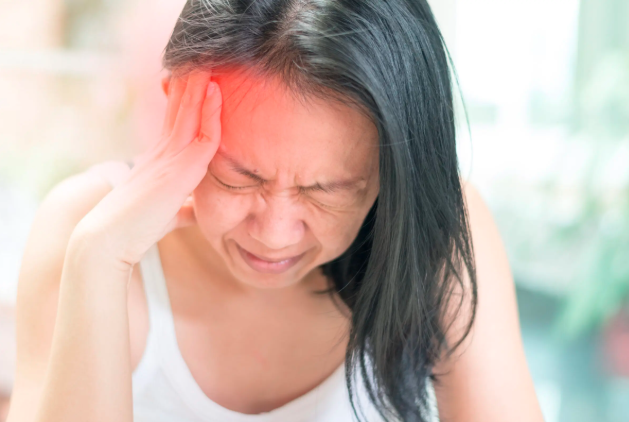
An ice pick headache is a sudden, sharp, and intense pain in the head that feels like being stabbed with an ice pick or needle. The pain usually lasts only a few seconds but can happen several times throughout the day without warning.
These headaches commonly affect the temples, around the eyes, or one side of the head. Unlike migraines, ice pick headaches are very short but can feel extremely painful and alarming.
They are also known as primary stabbing headaches and are sometimes linked to migraines or other headache disorders. Although they are usually harmless, frequent attacks may need medical attention to rule out other conditions.
What Causes Ice Pick Headaches?
Several factors can trigger ice pick headaches by affecting the brain’s pain-sensitive nerves. Below are some common causes and triggers linked to these sudden stabbing headaches.
- Temporary nerve dysfunction:
Sudden changes in the brain’s pain-signaling nerves can trigger sharp stabbing pain.
This nerve activity may happen without warning and last only a few seconds.
It is considered one of the most common causes of ice pick headaches. - Migraines:
People who experience migraines are more likely to develop ice pick headaches.
The same nerve pathways involved in migraines may also trigger stabbing pain.
These headaches can occur before, during, or after a migraine attack. - Stress and anxiety:
High stress levels can overstimulate the nervous system and trigger headaches.
Anxiety may increase muscle tension and sensitivity to pain signals.
This can lead to sudden, brief stabbing sensations in the head. - Lack of sleep:
Poor sleep can affect how the brain processes pain and nerve activity.
Fatigue may make headache attacks happen more frequently in some people.
Getting enough rest may help reduce headache episodes. - Bright lights or strong stimuli:
Flashing lights, loud noises, or sudden sensory changes may irritate sensitive nerves.
These triggers are especially common in people prone to migraines.
Exposure to strong stimuli can sometimes cause quick stabbing head pain.
Symptoms of Ice Pick Headaches
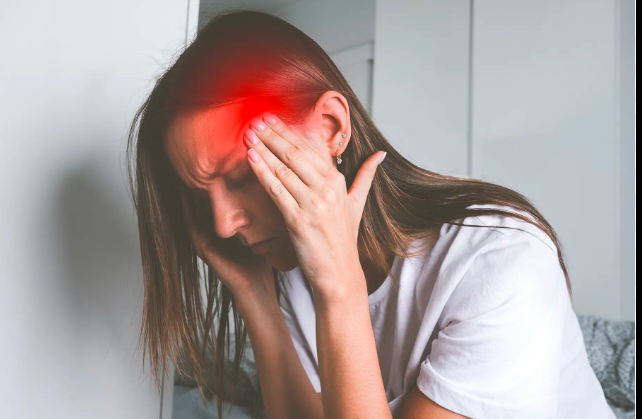
Ice pick headaches come with sudden, sharp stabbing pain that appears without warning and lasts for a very short time. Below we break down the main symptoms in detail to understand how each one feels and affects the body.
Sudden sharp stabbing pain
This symptom starts suddenly with a very intense, needle-like pain in the head. It feels like a quick electric or stabbing shock that comes out of nowhere. The pain is strong but usually fades within seconds.
Very short pain episodes
Each attack of pain lasts only a few seconds and then disappears quickly. Even though the duration is short, the intensity can feel very disturbing. These episodes may repeat several times in a day.
Pain in specific areas of the head
The pain is usually felt around the temples, eyes, or one side of the head. It does not spread widely and stays in a very focused area. The exact location can shift between different attacks.
No warning before attack
There are no clear signs or symptoms before the pain begins. A person can feel completely normal just before the sudden stabbing sensation starts. This makes the condition unpredictable and surprising.
Quick recovery after pain
Once the pain stops, there is usually no lingering discomfort. The head feels normal again almost immediately after each episode. Most people can continue their daily activities without any after-effects.
Are ice pick headaches dangerous?
Ice pick headaches are usually not dangerous and are considered a benign headache type.
They cause sudden, sharp pain but do not typically indicate a serious brain condition. Most episodes last only a few seconds and go away on their own without lasting effects.
However, if they happen very frequently or with other symptoms, a medical check is important.So, while they feel intense and alarming, they are generally harmless to most people.
Ice Pick Headaches in Children and Teens
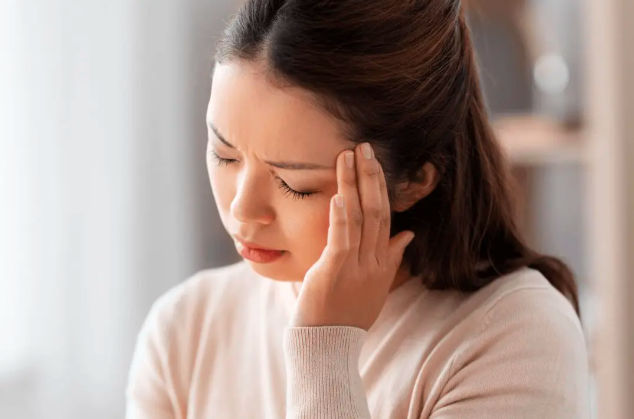
Ice Pick Headaches can also affect children and teenagers, although it is seen more often in adults. In younger people, it usually appears as a sudden, sharp, and stabbing head pain that lasts only a few seconds and comes without any warning.
Teens and children may describe it as a quick electric shock or needle-like jab, often felt around the eyes, temples, or one side of the head. Even though the pain is very brief, it can feel frightening because of how intense and unexpected it is.
In most cases, it is not dangerous, but if the episodes happen frequently or start affecting daily activities, it is important to get a medical evaluation to rule out other conditions.
Diagnosis of Ice Pick Headaches
In this section, we will discuss how ice pick headaches are diagnosed by doctors using symptoms and medical history. We will also look at the different tests and methods used to rule out other serious conditions.
Symptom history review
Doctors first study the patient’s pain pattern, including how sudden, sharp, and short the headaches are. They also ask how often the attacks happen and where the pain is located. This helps match the symptoms with typical ice pick headache features.
Headache diary analysis
Patients may be asked to keep a diary of each headache episode. This includes timing, duration, severity, and possible triggers. The record helps identify patterns that support the diagnosis.
Neurological examination
A basic nervous system check is done to ensure there are no signs of serious neurological problems. The doctor tests reflexes, vision, and coordination. This helps rule out other conditions affecting the brain or nerves.
Imaging tests (MRI or CT scan)
In some cases, scans are used to exclude serious causes like tumors or nerve disorders. These tests help confirm that no structural brain problem is responsible for the pain. It is mainly done as a precaution.
Excluding other headache disorders
Doctors compare symptoms with migraines, cluster headaches, and other types of headaches. If no other condition fits better, the diagnosis of primary stabbing headache is confirmed. This process ensures accurate identification of the condition.
Treatment of Ice Pick Headaches
In this section, we will discuss how ice pick headaches are treated and what options doctors use to reduce pain. We will also look at simple medications and lifestyle changes that can help manage symptoms effectively.
- Pain relief medicines: Doctors may recommend anti-inflammatory drugs or pain relievers to reduce sudden stabbing pain. These medicines help control frequent attacks. They are usually used when symptoms become more bothersome.
- Preventive medications: In some cases, medicines like indomethacin may be prescribed to prevent recurring episodes. These drugs reduce nerve-related pain signals in the brain. They are helpful for people with frequent ice pick headaches.
- Stress management: Reducing stress can help lower the chances of headache triggers. Relaxation techniques like deep breathing or meditation may be useful. A calm lifestyle supports better nerve balance.
- Sleep improvement: Getting enough sleep can reduce headache frequency in some people. Poor sleep is a common trigger for nerve-related pain. A regular sleep routine helps stabilize brain activity.
- Avoiding triggers: Bright lights, fatigue, and emotional stress may trigger episodes in some individuals. Identifying and avoiding these triggers can reduce attacks. Keeping a headache diary can help recognize patterns.
When to See a Doctor for Ice Pick Headaches?

You should see a doctor if ice pick headaches start happening very frequently or become more severe over time. If the pain begins to interfere with your daily activities or causes significant worry, it is important to get a medical check-up.
Medical attention is also needed if the headaches are accompanied by symptoms like vision changes, weakness, dizziness, or confusion, as these may indicate another underlying condition.
A doctor should also be consulted if the pattern of pain suddenly changes or feels different from before. Although ice pick headaches are usually harmless, proper evaluation helps rule out more serious causes of sharp head pain.
FAQs
Can ice pick headaches happen every day?
Yes, some people may experience ice pick headaches daily, while others get them only occasionally. The frequency varies from person to person depending on triggers and individual sensitivity. Even when they happen often, each attack still lasts only a few seconds.
Are ice pick headaches linked to brain damage?
No, ice pick headaches are not linked to brain damage or permanent neurological issues. They are usually considered harmless nerve-related headaches. However, persistent or unusual symptoms should still be checked by a doctor.
Can exercise trigger ice pick headaches?
In some individuals, intense physical activity may trigger sudden headache episodes. This is not common for everyone, but it can happen in people who are sensitive to exertion. Light to moderate exercise is usually safe.
Do ice pick headaches happen at night?
Yes, they can occur at any time, including during sleep or rest. Some people may even wake up briefly due to the sudden stabbing pain. The attacks are unpredictable in timing.
Can diet affect ice pick headaches?
Diet does not directly cause ice pick headaches, but certain habits may contribute indirectly. Skipping meals or excessive caffeine intake can sometimes trigger headaches in sensitive individuals. Maintaining regular eating habits may help reduce risk.
Are ice pick headaches more common in women or men?
Ice pick headaches can affect both men and women. Some research suggests they may be slightly more common in people who also suffer from migraines. Overall, there is no strong gender restriction.
Can stress permanently cause ice pick headaches?
Stress does not permanently cause ice pick headaches, but it can increase their frequency. Emotional or physical stress may trigger episodes in some people. Managing stress can help reduce how often they occur.
Conclusion
Ice pick headaches are sudden, sharp, and very brief stabbing pains in the head that usually last only a few seconds. In most cases, they are not dangerous and are not linked to serious brain conditions, although they can feel intense and alarming when they occur.
They may be triggered by factors such as stress, poor sleep, or nerve sensitivity in some individuals. With proper lifestyle changes and, if needed, medical treatment, the symptoms can often be managed effectively.
Related Posts
EZ Gel Under Eye: A Complete Guide to Natural Under-Eye Rejuvenation
Can High Blood Pressure Cause Flashing Lights in Eyes?
Does Tennis Elbow Cause Shoulder Pain? Causes, Symptoms, Treatment & Prevention Guide
Pain in Arms After Sneezing: Causes, Warning Signs, and How to Get Relief
Do Humidifiers Help with Asthma? What You Need to Know Before Buying One