Knee swelling is one of the most common joint problems people search for, and it can range from a minor annoyance to a sign of something more serious. Many people notice their knee looking puffier than usual after a long walk, a workout, or even without any clear reason at all. Understanding what causes knee swelling helps you decide whether home care is enough or whether a doctor’s visit is necessary. This article breaks down the most common causes, related symptoms, diagnosis methods, and treatment options in simple, easy-to-understand language.
Key Takeaways
- Knee swelling can result from injury, overuse, arthritis, infection, or fluid buildup behind the joint.
- Sudden swelling with fever or inability to walk needs urgent medical attention.
- Home care like rest, ice, and elevation works well for mild, non-serious swelling.
- Doctors use physical exams, imaging, and fluid tests to find the exact cause.
- Long-term prevention involves strengthening exercises and maintaining a healthy weight.
Author: Editorial Health Team (medical review pending)
Understanding Knee Swelling (Edema) — What’s Actually Happening
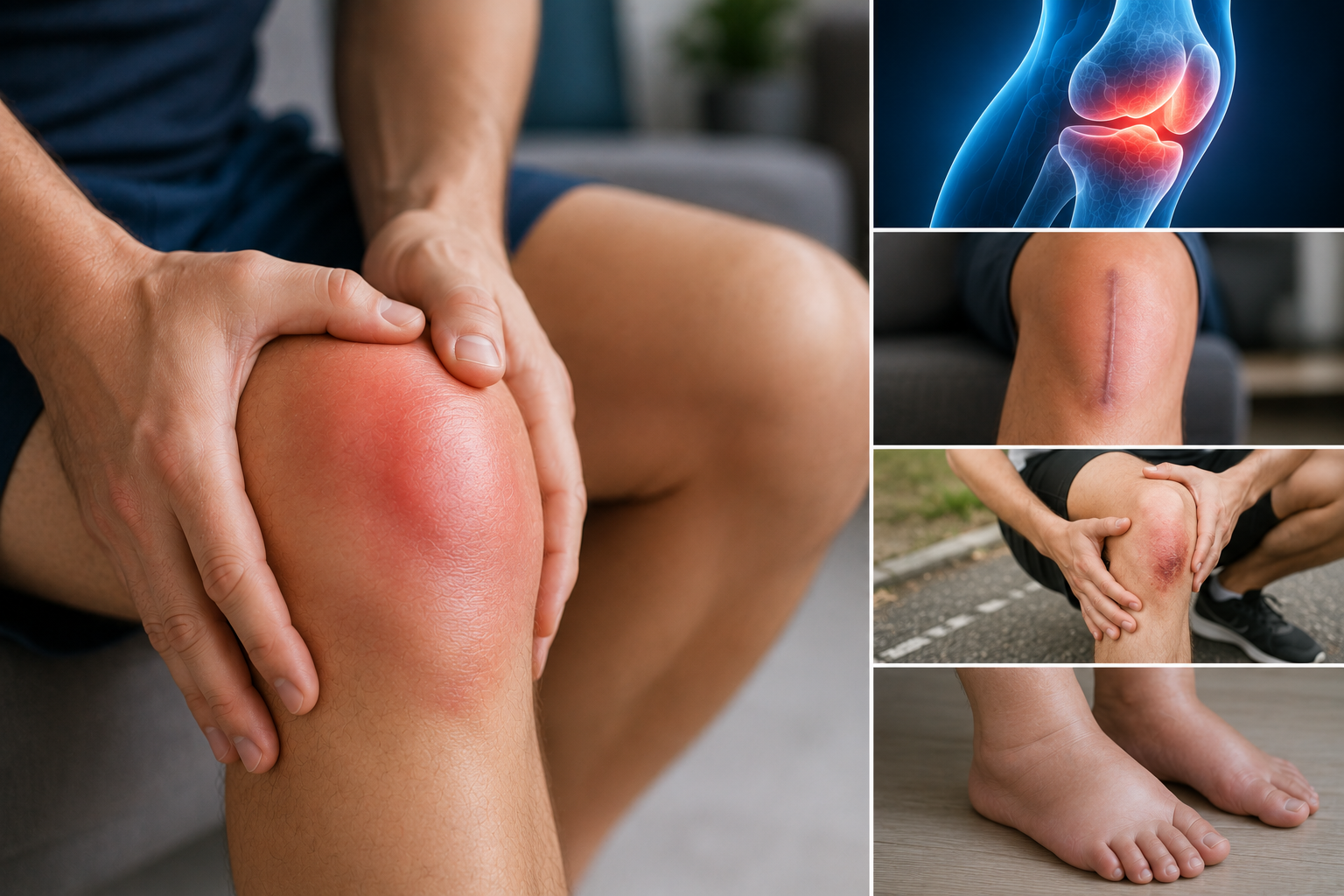
Knee swelling happens when excess fluid builds up in or around the knee joint, often as a response to irritation or damage inside the joint structure. This fluid can collect in different areas, and where it forms often gives clues about the underlying cause.
Fluid Buildup vs. Inflammation — What’s the Difference
Fluid buildup, medically called effusion, refers to extra liquid collecting inside the joint capsule itself. Inflammation, on the other hand, involves the body’s immune response causing redness, warmth, and swelling in surrounding tissue. Both can happen together, but they are not always the same process.
Common Locations of Swelling
Swelling can appear directly over the kneecap, spread across the entire joint, or form as a soft lump behind the knee. The location often points doctors toward specific causes, such as bursitis for kneecap swelling or a cyst for swelling behind the joint.
Common Causes of Knee Swelling
There are many possible reasons behind knee swelling, ranging from sudden injuries to long-term medical conditions. Below are the most frequently diagnosed causes doctors look for during an examination.
Injury and Trauma
Sudden injuries are among the leading reasons people experience swelling within hours of an incident. A torn ACL or MCL ligament, a meniscus tear, a fracture, or even a bad sprain can trigger rapid fluid buildup as the body attempts to protect the joint. These injuries often come with sharp pain and difficulty bearing weight immediately afterward.
Overuse and Repetitive Strain
Repeated bending, running, or jumping can irritate the knee’s soft tissues over time, especially in athletes or people with physically demanding jobs. Unlike sudden injuries, this type of swelling usually builds gradually and worsens with continued activity rather than appearing all at once.
Osteoarthritis
Osteoarthritis develops when the protective cartilage inside the knee gradually wears down, leading to bone friction and joint irritation. This condition is more common in older adults and typically causes swelling that comes and goes depending on activity levels and weather changes.
Rheumatoid Arthritis
Unlike osteoarthritis, rheumatoid arthritis is an autoimmune condition where the body’s immune system mistakenly attacks joint tissue. This often results in symmetrical swelling in both knees along with morning stiffness that can last for an extended period.
Gout and Pseudogout (Crystal-Induced Arthritis)
Gout occurs when uric acid crystals build up inside the joint, causing sudden and intensely painful swelling, often overnight. Pseudogout works similarly but involves calcium crystals instead, and both conditions tend to flare up unexpectedly without warning.
Bursitis (Prepatellar Bursitis)
Bursitis develops when the small fluid-filled sacs cushioning the knee become inflamed, usually from kneeling for long periods or repeated pressure. This typically causes a soft, movable swelling directly over the front of the kneecap rather than deep inside the joint.
Warning: Seek emergency care immediately if knee swelling is accompanied by fever, intense pain, visible deformity, or an inability to bear weight on the leg, as these signs may indicate infection, fracture, or a serious clot.
Comparison Table: Knee Swelling Causes at a Glance
| Cause | Typical Onset | Key Symptoms | Common Age Group | Urgency Level |
| Injury/Trauma | Sudden | Sharp pain, instability | Any age, active individuals | High |
| Overuse | Gradual | Dull ache, stiffness | Athletes, active adults | Low-Moderate |
| Osteoarthritis | Gradual | Stiffness, creaking | Older adults | Low-Moderate |
| Rheumatoid Arthritis | Gradual | Symmetrical swelling | Adults, any age | Moderate |
| Gout/Pseudogout | Sudden | Intense pain, redness | Middle-aged and older adults | High |
| Bursitis | Gradual | Soft lump, tenderness | Kneeling occupations | Low |
| Tendinitis | Gradual | Tenderness along tendon | Athletes | Low |
| Baker’s Cyst | Gradual | Bulge behind knee | Adults with arthritis | Low-Moderate |
| Septic Arthritis | Sudden | Fever, severe pain | Any age | Emergency |
| Blood Clot (DVT) | Sudden | Calf pain, warmth | Adults, especially sedentary | Emergency |
When to See a Doctor for Knee Swelling
Not every case of knee swelling requires an emergency room visit, but some warning signs should never be ignored. Recognizing the difference between mild, manageable swelling and a potentially dangerous condition can prevent complications later.
Emergency Symptoms
Fever combined with knee swelling, sudden severe pain, visible joint deformity, or complete inability to walk are signs that require immediate medical attention. These symptoms often point toward infection, fracture, or significant ligament damage.
Non-Emergency but Persistent Symptoms
Swelling that lingers for more than a few days, keeps returning, or gradually worsens without an obvious injury should still be evaluated by a doctor. While not urgent, these patterns often indicate an underlying condition like arthritis that benefits from early management.
Pro Tip: For minor swelling without emergency symptoms, the RICE method — Rest, Ice, Compression, and Elevation — can reduce discomfort and speed up recovery within a few days.
How Knee Swelling Is Diagnosed
Doctors typically follow a step-by-step process to identify the exact cause of knee swelling, starting with a simple physical check before moving to more advanced testing if needed.
Physical Examination
A doctor will usually check the knee’s range of motion, look for warmth or redness, and gently press around the joint to identify tender areas. This initial exam often narrows down the likely cause before any imaging is required.
Imaging (X-ray, MRI, Ultrasound)
X-rays help detect fractures or arthritis-related bone changes, while MRI scans provide detailed images of soft tissue damage like ligament or meniscus tears. Ultrasound is often used to confirm fluid buildup or identify a Baker’s cyst.
Joint Fluid Analysis (Arthrocentesis)
In cases where infection or gout is suspected, doctors may withdraw a small sample of joint fluid using a needle for laboratory testing. This procedure helps confirm the exact cause and rules out serious conditions like septic arthritis.
Treatment Options for Knee Swelling
Treatment depends heavily on the underlying cause, but most approaches share a common goal of reducing fluid buildup and restoring normal joint function as quickly as possible.
Home Remedies and Self-Care
For mild swelling, rest combined with ice application and leg elevation often provides noticeable relief within a few days. Avoiding activities that worsen the swelling is equally important during this recovery period.
Medications
Over-the-counter anti-inflammatory medications can help reduce both pain and swelling in most mild to moderate cases. For more severe inflammation, doctors may prescribe corticosteroid injections directly into the joint.
Physical Therapy
Guided exercises help strengthen the muscles supporting the knee, improving stability and reducing the likelihood of repeated swelling episodes. A physical therapist typically tailors the program based on the specific cause identified.
Medical Procedures
In more serious cases, doctors may perform joint aspiration to drain excess fluid or recommend surgery for significant ligament or cartilage damage. These options are usually reserved for cases where conservative treatment has not worked.
Hypothetical Example: Consider someone who twists their knee during a weekend soccer game and notices swelling within a few hours. After resting, icing the area, and consulting a doctor, an MRI reveals a minor meniscus tear, and physical therapy over six weeks restores full function without surgery.
Preventing Knee Swelling
Long-term prevention focuses on protecting the knee joint from repeated stress and supporting it with stronger surrounding muscles. Strengthening exercises targeting the thighs and hips help absorb impact more effectively during daily movement. Wearing proper footwear and maintaining good posture during physical activity also reduces unnecessary joint strain. Additionally, managing body weight lowers the pressure placed on the knees, while avoiding repetitive high-impact movements helps prevent overuse-related swelling from developing in the first place.
Frequently Asked Questions
Can knee swelling go away on its own?
Mild swelling from minor overuse often resolves within a few days with rest and self-care. However, swelling caused by arthritis or infection usually requires proper treatment to fully subside.
Is walking bad for a swollen knee?
Light walking is generally safe for mild swelling, but high-impact activity should be avoided until the cause is identified. Severe pain while walking is a sign to stop and seek medical advice.
How long does knee swelling last?
Minor swelling from overuse typically improves within three to seven days with proper care. Swelling linked to chronic conditions like arthritis may persist longer or return periodically.
Does knee swelling mean arthritis?
Not always, since swelling can result from injury, infection, or overuse as well. However, recurring swelling without injury is a common early sign of arthritis worth discussing with a doctor.
What foods reduce knee inflammation?
Foods rich in omega-3 fatty acids, leafy greens, and antioxidants may help reduce inflammation over time as part of an overall healthy diet. These dietary changes work best alongside proper medical treatment rather than as a standalone solution.
Conclusion
Knee swelling can stem from many different causes, ranging from simple overuse to more serious conditions like infection or arthritis.
Paying attention to accompanying symptoms, such as fever or severe pain, helps determine whether the situation calls for home care or immediate medical attention.
Consulting a doctor for persistent or severe swelling ensures the right diagnosis and treatment plan for long-term joint health.
RELATED POSTS
Itchy Inner Thighs: Causes, Symptoms, Treatments, Home Remedies, and Prevention
Does Teething Cause Runny Nose? Causes, Symptoms, Treatment
Can a DEXA Scan Show Cancer? What It Can and Cannot Detect
How to Relieve Neck Pain from Sleeping Wrong: Effective Treatments, Stretches, and Prevention Tips
Why I Still Have Acne at 40? Causes, Treatments, and Prevention Tips