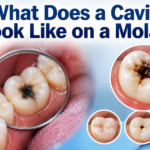




A cavity, also known as tooth decay, is one of the most common dental problems people experience at some point in their lives. Many people assume that a cavity always comes with pain, but that is not entirely true.
The truth is a little more layered, and that is exactly why the question “can a cavity be painful” comes up so often in conversations with dentists and in online searches. Some cavities stay silent for months, while others cause sudden, sharp discomfort that makes it hard to eat or even sleep properly.
Understanding how cavity pain works matters because it helps you recognize the difference between a minor issue and something that needs urgent dental care. This article breaks down everything in a simple, easy-to-follow way, from what a cavity actually is to when you should worry about the pain you are feeling.
What Exactly Is a Cavity?
A cavity is essentially a small hole or damaged area in the hard surface of your tooth, caused by decay that develops over time. This decay does not happen overnight; it builds up gradually through a chain of events involving bacteria, sugar, and acid.
How a Cavity Forms
Every time you eat something sugary or starchy, the bacteria naturally living in your mouth feed on those leftover particles. This process produces acid, and that acid slowly wears away the protective enamel covering your teeth. Over weeks and months, repeated acid attacks weaken the enamel enough to create a tiny opening, which is the beginning of a cavity.
Stages of Tooth Decay
Cavities do not appear suddenly; they move through recognizable stages, starting with early enamel damage and ending with deep decay reaching the tooth’s nerve. In between, the decay spreads through the dentin layer, which is softer and more sensitive than enamel. Recognizing which stage a cavity is in helps explain why pain levels differ so much from person to person.
Can a Cavity Be Painful? The Direct Answer
To directly answer the common question, yes, a cavity can be painful, but the intensity depends heavily on how far the decay has progressed inside the tooth. Some cavities remain completely painless for a long time, while others become intensely uncomfortable within weeks.
Why Some Cavities Hurt and Others Don’t
The difference comes down to which part of the tooth is affected. When decay is limited to the enamel, there is usually no pain since enamel contains no nerve endings. Once the decay reaches the dentin or pulp, nerve endings become exposed or irritated, which is when noticeable pain begins.
The Role of Tooth Anatomy in Pain
Your tooth is made up of three main layers: the hard enamel on the outside, the softer dentin underneath, and the pulp at the center, which houses nerves and blood vessels. Pain only becomes noticeable once decay moves past the enamel, because that is where sensation-carrying nerves are located. This layered structure explains why early cavities are silent while advanced ones are not.
Early-Stage Cavities: Usually Painless
Early-stage cavities are typically painless because the damage is still confined to the enamel, which lacks the nerve endings needed to sense discomfort. This silent phase is exactly why many people are surprised to learn they have a cavity during a routine dental visit.
Why Enamel Has No Nerve Endings
Enamel is the hardest substance in the human body, and its main job is to protect the inner layers of the tooth. Because it does not contain nerves or blood vessels, damage at this stage does not register as pain. This is a natural design of the tooth, not a flaw, but it does mean decay can progress unnoticed.
How Cavities Go Unnoticed at First
Since there is no pain to signal a problem, many people continue their daily routine without realizing decay is quietly spreading beneath the surface. Small discoloration or a rough patch might be the only visible clue, and these signs are easy to miss without a proper dental check.
Importance of Regular Dental Checkups
Routine dental visits are the only reliable way to catch a cavity before it starts causing pain. Dentists use visual exams and X-rays to spot decay long before it becomes a painful problem, which is why checkups every six months are so strongly recommended.
When Cavities Start Hurting
Cavities start hurting once the decay moves past the enamel and reaches the dentin or pulp, where sensitive nerve tissue is located. This is the turning point where a silent problem becomes a noticeable one.
What Happens When Decay Reaches the Dentin
Dentin is softer than enamel and contains tiny tubules that connect directly to the nerve inside the tooth. When decay reaches this layer, hot, cold, or sweet foods can trigger sudden, sharp sensations because stimuli now have a direct path to the nerve.
What Happens When Decay Reaches the Pulp
If decay is left untreated and reaches the pulp, the pain usually becomes far more intense and persistent. This is because the pulp contains the tooth’s nerve and blood supply, and inflammation here can cause throbbing, continuous discomfort that is difficult to ignore.
Common Symptoms of a Painful Cavity
Painful cavities often come with a recognizable set of symptoms that make the problem fairly easy to identify. Recognizing these signs early can prevent the decay from advancing further and causing more serious damage.
| Symptom | What It Feels Like |
| Sensitivity to sweets | Sharp, brief pain after eating sugary food |
| Sensitivity to hot or cold | Sudden discomfort with temperature changes |
| Pain while chewing | Pressure-triggered ache when biting down |
| Spontaneous toothache | Pain that appears without any clear trigger |
| Visible holes or stains | Dark spots or physical pits on the tooth surface |
These symptoms often overlap, and experiencing more than one at the same time is a strong indication that a cavity has progressed beyond the early stage.
Types of Cavity Pain
Cavity-related pain does not always feel the same; it can vary in intensity, duration, and pattern depending on how deep the decay has reached. Recognizing the type of pain you are experiencing can help you and your dentist understand the severity of the issue.
Sharp and Sudden Pain
This type of pain usually appears quickly and disappears just as fast, often triggered by something specific like a cold drink or sweet snack. It generally indicates that dentin has been affected but the nerve itself may still be relatively healthy.
Dull, Lingering Ache
A dull ache that stays for a while, even after the trigger is gone, often suggests that the decay is closer to the nerve. This kind of persistent discomfort should not be ignored, even if it feels manageable at first.
Throbbing Pain and Possible Infection
Throbbing pain, especially if it worsens at night or comes with swelling, often points to an infection or advanced decay reaching the pulp. This is one of the more serious pain patterns and usually requires prompt dental attention.
What Causes the Pain? The Science Behind It
The pain from a cavity is caused by a combination of nerve exposure, inflammation, and sometimes bacterial infection inside the tooth. Understanding this process makes it easier to see why pain intensifies as decay is left untreated.
Nerve Exposure and Inflammation
As decay eats through dentin, the nerve endings within the tubules become exposed to external stimuli like temperature and pressure. This exposure triggers inflammation in the pulp, a condition known as pulpitis, which is a major source of cavity-related pain.
Bacterial Infection and Abscess Formation
If decay reaches the pulp and bacteria enter the space, an infection can develop, sometimes forming a pocket of pus known as an abscess. This buildup creates intense pressure and pain, and it can also lead to swelling in the face or gums if not treated quickly.
Cavity Pain vs. Other Dental Pain
Not all tooth pain comes from a cavity, so it helps to understand how cavity pain compares to other common dental issues. This distinction can guide you toward the right kind of care instead of guessing at the cause.
Cavity Pain vs. Gum Disease Pain
Gum disease pain is usually accompanied by bleeding, swelling, or tenderness in the gums rather than sharp tooth sensitivity. Cavity pain, on the other hand, is more localized to a specific tooth and often triggered by food or temperature.
Cavity Pain vs. Sinus-Related Tooth Pain
Sinus infections can sometimes cause upper teeth to ache, but this pain tends to affect multiple teeth at once rather than a single spot. Cavity pain is usually isolated to one tooth, which helps differentiate the two causes.
When Cavity Pain Signals an Emergency?
Certain signs indicate that cavity pain has crossed into emergency territory and needs urgent professional care rather than home remedies. Ignoring these warning signs can lead to more serious health complications.
Severe or Persistent Pain
Pain that does not go away with over-the-counter medication or that interferes with sleep and daily activities should be treated as a priority. This level of pain usually reflects significant nerve involvement or infection.
Swelling and Fever
Facial swelling, gum swelling, or a fever appearing alongside tooth pain are strong indicators of a dental infection or abscess. These symptoms mean the problem has moved beyond the tooth itself and needs immediate attention.
What to Do If You Suspect a Painful Cavity?
If you suspect a painful cavity, there are steps you can take for temporary relief while arranging to see a dentist as soon as possible. Acting quickly reduces the risk of the decay progressing further.
Home Care for Temporary Relief
Rinsing with warm salt water, avoiding extremely hot or cold foods, and gently brushing around the affected area can help manage discomfort in the short term. These steps are not a substitute for treatment but can ease pain while you wait for an appointment.
Why You Should Not Ignore the Pain
Delaying treatment allows decay to spread deeper, increasing both the pain and the complexity of the eventual treatment needed. What might be a simple filling today could turn into a root canal or extraction later if ignored.
How Dentists Diagnose and Treat Cavities?
Dentists rely on a mix of visual examination, patient history, and imaging tools to accurately diagnose the depth and severity of a cavity. Treatment is then chosen based on how far the decay has progressed.
Diagnosis Through Exams and X-Rays
A dental exam combined with X-rays allows the dentist to see decay that might not be visible to the naked eye, especially between teeth. This helps determine the right treatment plan before the situation worsens.
Fillings for Moderate Decay
Fillings are the most common treatment for cavities that have not yet reached the pulp, restoring the tooth’s shape and function. This procedure is generally quick and effective at stopping further decay in that area.
Root Canals and Crowns for Advanced Decay
When decay has reached the pulp, a root canal may be necessary to remove infected tissue and save the tooth, often followed by a crown for added strength. In severe cases where the tooth cannot be saved, extraction becomes the last resort.
How to Prevent Painful Cavities?
Preventing cavities altogether is far easier and less painful than treating advanced decay, and it starts with consistent daily habits. A proactive approach can save you from ever having to deal with intense cavity pain.
Daily Oral Hygiene Habits
Brushing twice a day and flossing daily removes plaque before it has a chance to produce enough acid to damage enamel. Consistency here matters more than intensity, since gentle, regular cleaning is more effective than occasional aggressive brushing.
Diet, Fluoride, and Professional Care
Reducing sugary snacks, using fluoride toothpaste, and scheduling regular dental visits all work together to strengthen enamel and catch problems early. Dental sealants can also add an extra layer of protection, especially for children and those prone to decay.
Frequently Asked Questions
Can a cavity heal on its own? No, a cavity cannot heal on its own once it has formed a physical hole, since enamel cannot regenerate; only professional treatment can stop its progression.
Why does my cavity hurt more at night? Lying down increases blood flow to the head, which can raise pressure inside an inflamed tooth and make pain feel more intense at night.
Can a cavity cause jaw or ear pain? Yes, especially with molars, since nerve pathways are close together and pain can radiate to the jaw or ear area.
How long can a cavity go untreated before it becomes dangerous? There is no fixed timeline, but untreated cavities can progress to infection within weeks to months, so early treatment is always safer.
Conclusion
So, can a cavity be painful? Yes, but the pain depends entirely on how deep the decay has spread within the tooth.
Early cavities are usually silent, while advanced ones can cause sharp, throbbing, or persistent pain that signals the need for prompt dental care.
Recognizing the symptoms early and maintaining good oral hygiene remains the best way to avoid painful cavities altogether.
Related Posts
How Do You Know If Your Foot Is Broken? Complete Guide to Signs and Symptoms
Can an Ear Infection Cause Jaw Pain? Causes, Symptoms & Relief
Pain in Ear After Wisdom Tooth Removal: Causes, Relief & When to Worry