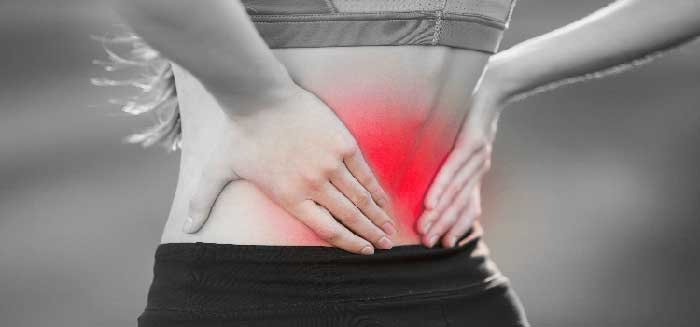
Lower back pain affects up to 70% of women at some point in their lives, making it one of the most widespread health complaints among females. Understanding the root causes is the first step toward lasting relief and better quality of life.
So, what causes lower back pain in females? It can result from gynecological conditions such as endometriosis, fibroids, and ovarian cysts; pregnancy-related changes including hormonal shifts and weight gain; musculoskeletal problems like sciatica, muscle strains, and disc issues; and lifestyle factors such as poor posture or prolonged sitting.
In this article, we explore every major cause in detail — including sections on treatment and when to seek medical care — so you can identify your specific situation and take the right steps toward recovery.
Why Lower Back Pain Is More Common in Females?
Lower back pain occurs more frequently in females due to a unique combination of anatomical, hormonal, and reproductive factors that do not affect males in the same way. The female pelvis is wider than the male pelvis, which alters spinal alignment and places different mechanical stress on the lumbar region and sacroiliac joints over time.
Hormones such as estrogen, progesterone, and relaxin naturally fluctuate throughout a woman’s life, affecting ligament laxity and joint stability — both of which directly influence lower back comfort.
In addition, certain female-specific health conditions can directly or indirectly contribute to lower back pain. These factors, combined with everyday physical activities and posture habits, increase the likelihood of experiencing persistent or recurring pain in the lower back area.
Hormonal Causes of Lower Back Pain in Females
Hormonal fluctuations are among the most overlooked causes of lower back pain in females. Hormones directly influence the sensitivity of nerve receptors, the elasticity of spinal ligaments, and the inflammatory response in surrounding tissues.
Fluctuations in key hormones influence the flexibility of ligaments and the way muscles respond, which can lead to increased sensitivity or strain in the lower back area.
These hormonal shifts occur across key life stages — including the menstrual cycle, pregnancy, postpartum recovery, perimenopause, and menopause — making lower back pain a recurring complaint for many women throughout their lives.
As hormone levels rise and fall, the body may temporarily lose some of its usual stability, making the lower back more vulnerable to discomfort. This is why some females notice recurring pain patterns that align with natural hormonal changes rather than physical injury alone.
Menstrual-Related Back Pain (PMS, PMDD & Dysmenorrhea)
Menstrual-related back pain occurs due to hormonal changes during the menstrual cycle, which can trigger inflammation and muscle contractions in the lower back. Below, we’ll discuss a few key points in detail:
Premenstrual Syndrome (PMS)
Premenstrual syndrome (PMS) can trigger mild to moderate lower back discomfort in the days leading up to menstruation. Rising prostaglandin levels cause uterine contractions and increase pain sensitivity throughout the pelvic region, which can radiate to the lumbar spine.
Fluid retention during this phase also adds pressure on muscles and joints. Most women find the discomfort eases within a day or two of their period starting.
Premenstrual Dysphoric Disorder (PMDD)
Premenstrual dysphoric disorder (PMDD) is a clinically recognized condition more severe than PMS, affecting approximately 3–8% of women of reproductive age. It can significantly intensify lower back pain alongside emotional symptoms such as irritability, anxiety, and depression.
The pain tends to be more persistent and debilitating. Women experiencing PMDD-related back pain should consult a healthcare provider, as targeted treatments including hormonal therapy or SSRIs may help.
Painful Periods (Dysmenorrhea)
Dysmenorrhea refers to painful menstrual cramps that frequently radiate to the lower back, hips, and thighs. Primary dysmenorrhea involves no underlying disease — it occurs when high prostaglandin levels cause intense uterine contractions that temporarily reduce blood flow.
Secondary dysmenorrhea, however, is caused by underlying conditions such as endometriosis or fibroids. If your menstrual back pain is severe and worsening over time, secondary dysmenorrhea should be ruled out by a doctor.
Pregnancy and Lower Back Pain
Lower back pain during pregnancy is extremely common, affecting approximately 50–70% of pregnant women at some stage. It results from a combination of hormonal changes, postural shifts, and the physical demands placed on the spine as the baby grows.
Weight Gain and Posture Changes
As pregnancy progresses, increased body weight and a shifting center of gravity place extra pressure on the lower back. This often leads to posture adjustments, which can strain the muscles and cause discomfort.
Relaxin Hormone Effects
The hormone relaxin is released in significant amounts during pregnancy to soften ligaments and prepare the pelvis for childbirth. While necessary, this ligament laxity reduces the stability of the sacroiliac joints and lumbar spine, increasing the risk of a condition called pelvic girdle pain (PGP). Simple daily movements such as walking, turning in bed, or climbing stairs can become painful as a result.
Trimester-Based Pain Differences
Lower back pain can vary across different stages of pregnancy. It may start as mild discomfort in early stages and become more noticeable as the body changes and pressure on the back increases in later months.
Gynecological Conditions That Cause Back Pain
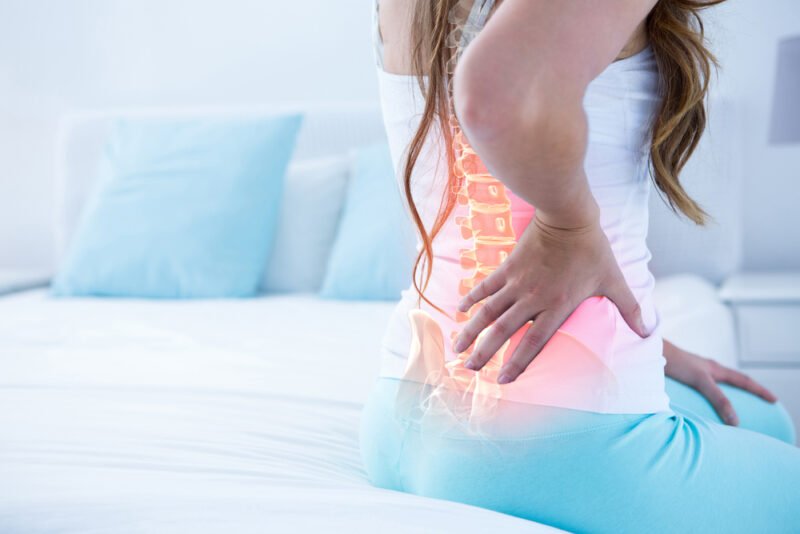
Lower back pain in females can also be linked to certain gynecological conditions that affect the reproductive organs and surrounding areas. Here are the main factors:
Endometriosis
Endometriosis is a chronic condition affecting approximately 1 in 10 women of reproductive age, in which tissue similar to the uterine lining grows outside the uterus — on the ovaries, fallopian tubes, or pelvic tissue.
This misplaced tissue responds to hormonal cycles, causing inflammation, scarring, and nerve irritation that can produce deep, aching lower back pain. The pain is often most severe during menstruation, sexual intercourse, or bowel movements.
Endometriosis is a leading cause of severe period-related back pain and frequently goes undiagnosed for years.
Uterine Fibroids
Uterine fibroids are non-cancerous muscular growths that develop within or on the wall of the uterus. They range from the size of a seed to several centimetres in diameter.
Larger fibroids can exert significant pressure on the pelvic nerves, bladder, and lower spine, causing persistent dull or heavy lower back pain. Other associated symptoms include heavy menstrual bleeding, frequent urination, and abdominal bloating.
Ovarian Cysts
Ovarian cysts are fluid-filled sacs that develop on the ovaries. Larger or ruptured cysts can cause sharp or dull pain that spreads to the lower back area.
Pelvic Inflammatory Disease
Pelvic inflammatory disease is an infection of the reproductive organs that can lead to ongoing pelvic pain. In some cases, the pain may also be felt in the lower back due to inflammation and tissue irritation.
Lifestyle Causes of Lower Back Pain in Women
Many cases of lower back pain in women are directly linked to everyday habits and ergonomic factors. Recognising and adjusting these patterns is one of the most effective ways to reduce pain and prevent recurrence.
Here are the main factors:
- Prolonged sitting: Sitting for extended periods — especially without lumbar support — increases intradiscal pressure in the lower spine by up to 40% compared to standing. This gradually weakens core muscles and strains the lumbar discs.
- Poor posture: Forward head posture, rounded shoulders, and anterior pelvic tilt all alter the natural curvature of the lumbar spine, placing uneven compressive forces on vertebrae and the surrounding soft tissue over time.
- Heavy lifting: Lifting objects improperly can strain back muscles and cause injury or persistent discomfort.
- High stress: Stress can lead to muscle tension, particularly in the lower back, making pain more noticeable.
- Lack of exercise: A sedentary lifestyle weakens the deep stabilising muscles of the core and back. Research shows that regular low-impact exercise — such as swimming, walking, or yoga — can reduce back pain episodes by up to 30%.
Risk Factors That Increase Lower Back Pain in Females
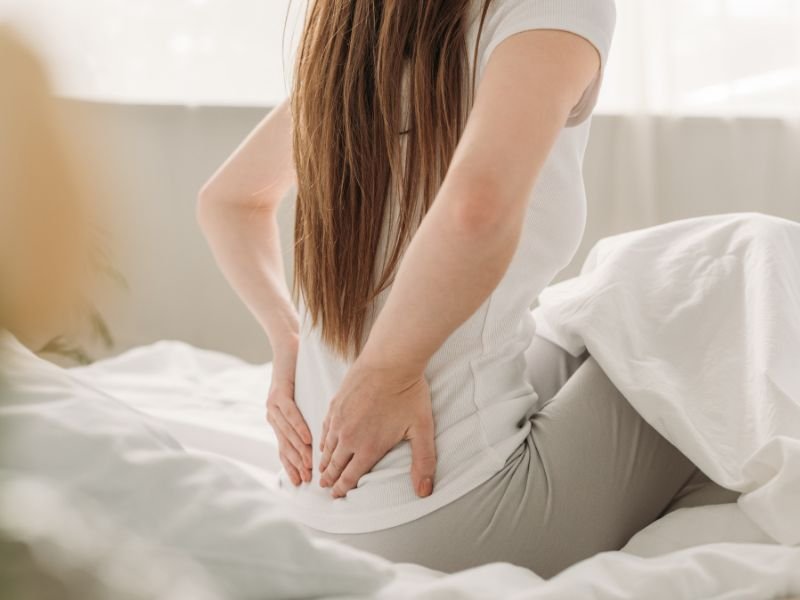
Certain factors can increase the likelihood of developing lower back pain by putting extra strain on the body or reducing overall support for the spine. Here are some risk factors we talk about:
Age
With increasing age, the spine gradually loses flexibility and strength, which can make the lower back more prone to stiffness and discomfort.
Obesity
Extra body weight adds continuous pressure on the lower back, affecting posture and increasing the chances of strain.
Sedentary Lifestyle
A lack of regular movement can weaken core and back muscles, reducing the body’s ability to support the spine properly.
Pregnancy History
Changes experienced during pregnancy can have lasting effects on posture and spinal alignment, contributing to ongoing back discomfort.
Symptoms Associated with Lower Back Pain in Females
Lower back pain in females can present in a wide range of ways depending on the underlying cause. Recognising your symptom pattern is an important step in identifying the cause and seeking appropriate care.
- Aching or intense pain: It may feel mild and constant or sudden and severe based on the condition.
- Pain spreading outward: Discomfort can move toward the hips, buttocks, or legs.
- Restricted movement: Difficulty in bending, standing, or changing positions smoothly.
- Muscle tightness or spasms: The back muscles may feel tight or contract unexpectedly.
- Tingling or loss of sensation: Nerve involvement can cause unusual sensations in the affected area.
- Reduced flexibility: Everyday tasks may feel harder due to limited range of motion.
Comparison Table of Causes and Pain Types
| Cause | Type of Pain | Common in Females | Severity |
| PMS | Dull/aching | Very common | Mild–Moderate |
| Endometriosis | Severe/cramping | High | Severe |
| Pregnancy | Pressure pain | Very common | Moderate |
| Sciatica | Shooting pain | Moderate | Severe |
How to Relieve Lower Back Pain in Females: Treatment Options
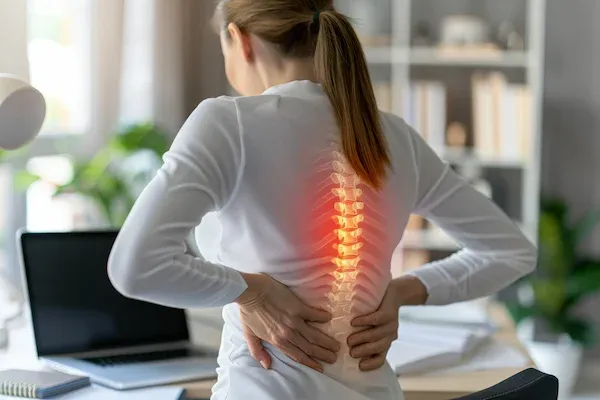
Treatment depends on the underlying cause, but the following approaches are commonly recommended:
- Heat therapy: Applying a heating pad to the lower back for 15–20 minutes can relax tight muscles and improve blood flow. Particularly effective for period-related and muscle tension pain.
- Physiotherapy: A physiotherapist can prescribe targeted exercises to strengthen core muscles, correct posture, and reduce nerve compression. This is the most evidence-based long-term solution.
- Over-the-counter pain relief: NSAIDs such as ibuprofen reduce both pain and inflammation. They are especially effective for dysmenorrhea-related back pain.
- Hormonal therapy: For women whose back pain is linked to endometriosis, fibroids, or PMDD, hormonal treatments prescribed by a gynaecologist may significantly reduce symptoms.
- Yoga and stretching: Gentle yoga poses such as Child’s Pose, Cat-Cow, and Supine Twist specifically target lower back tension and are supported by clinical evidence.
- Posture correction and ergonomics: A lumbar-support chair, correct screen height, and regular movement breaks address lifestyle-driven causes.
Prevention Tips for Lower Back Pain
Lower back pain can be reduced by improving daily habits and maintaining better body support during routine activities, as explained in the key points below:
Strengthening Core Muscles
Strengthening the core muscles — including the transverse abdominis, obliques, and multifidus — provides direct spinal support and is one of the most effective preventive measures for lower back pain.
Exercises such as planks, bird-dog, and dead bugs are specifically recommended by physiotherapists because they activate deep stabilisers without placing excessive load on the lumbar spine.
Maintaining a Healthy Weight
Balanced body weight helps keep posture stable and prevents uneven pressure on the lower back. It also allows smoother movement without extra stress on joints. Managing weight supports long-term back health.
Practicing Proper Posture
Maintaining correct alignment during sitting and standing reduces tension in the lower back area. It also helps distribute body weight evenly across the spine. Good posture habits prevent gradual stress buildup.
Using Safe Lifting Techniques
Handling weight carefully reduces the risk of sudden pressure on the lower back. Proper body positioning allows better control during lifting tasks. This approach helps avoid injuries caused by incorrect movement.
When to See a Doctor?
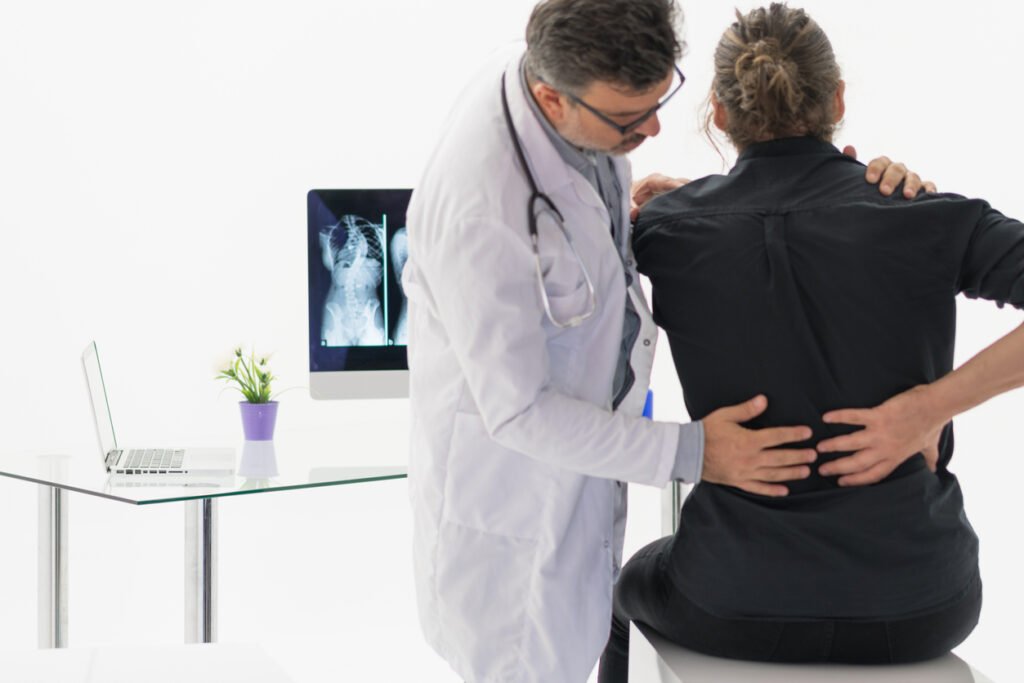
You should see a doctor if lower back pain persists for more than 2–4 weeks without improvement, is severe, or radiates down one or both legs.
Seek urgent medical care if you experience any of the following red-flag symptoms: loss of bladder or bowel control, pain following a fall or injury, unexplained weight loss, fever alongside back pain, or numbness in the groin or inner thighs.
These may indicate a serious spinal or neurological condition requiring immediate evaluation.
Conclusion
Lower back pain in females is a complex condition with multiple potential causes — from hormonal fluctuations and gynecological disorders to pregnancy, sciatica, and daily lifestyle habits. Each cause produces a distinct pain pattern, which is why an accurate diagnosis matters.
By understanding what causes lower back pain in females, you can work with your healthcare provider to target the specific cause rather than just managing symptoms.
Early intervention, lifestyle adjustments, and appropriate treatment can make a significant difference in long-term outcomes. If you are currently experiencing lower back pain that is affecting your daily life, do not delay seeking a medical evaluation.
Frequently Asked Questions
Can lack of exercise lead to lower back pain in women?
Yes, a lack of exercise is a major cause of lower back pain in women. Inactivity can weaken the muscles that support the spine, making the back more prone to strain. Over time, this can lead to discomfort and reduced flexibility.
Is lower back pain common during ovulation?
Yes, lower back pain is a common symptom of ovulation. Hormonal changes and slight pelvic discomfort during this phase can extend to the lower back. The pain is usually mild and temporary.
Can sudden movements cause lower back pain?
Yes, sudden or awkward movements can strain muscles, ligaments, or spinal discs, leading to lower back pain. Quick twisting or lifting without proper support increases the risk. This type of pain often appears immediately after the movement.
Can footwear choices other than heels cause back pain?
Yes, footwear other than high heels can also contribute to back pain if they lack proper support. Shoes without cushioning or arch support can affect posture and increase strain on the lower back. Over time, this may lead to discomfort.
What is the difference between regular back pain and sciatica in females?
Regular lower back pain is localised to the lumbar region, while sciatica produces a sharp, shooting pain that travels from the lower back down through the buttock and leg. Sciatica is caused by compression of the sciatic nerve and usually affects one side of the body. It often requires specific physiotherapy exercises rather than general back pain remedies.
What is the fastest way to relieve lower back pain in females?
For immediate relief, applying heat to the lower back for 15–20 minutes is one of the fastest evidence-based methods. NSAIDs like ibuprofen can reduce pain and inflammation within 30–60 minutes.
However, for recurring pain, addressing the underlying cause — whether hormonal, structural, or lifestyle-related — is essential for long-term improvement.
Is lower back pain a sign of underlying infection in females?
Yes, lower back pain can sometimes indicate an underlying infection in females. Infections affecting the urinary or reproductive system may cause pain that spreads to the lower back. Medical attention is important if pain is persistent or accompanied by other symptoms.
Related Articles
LifeX Health Insurance Explained: Plans, Coverage, Cost, Benefits and Full Detailed Guide
Source of Health Spa: Services, Benefits, Wellness Treatments & Customer Experience
Attend Health – Complete Guide to Features, Services, and Future of Healthcare AI Platform
Estrella Women’s Health Center: Complete Care Approach, and Women’s Health Solutions
Embrace Health: Complete Guide to Services, Telehealth, Technology, and Future Innovations