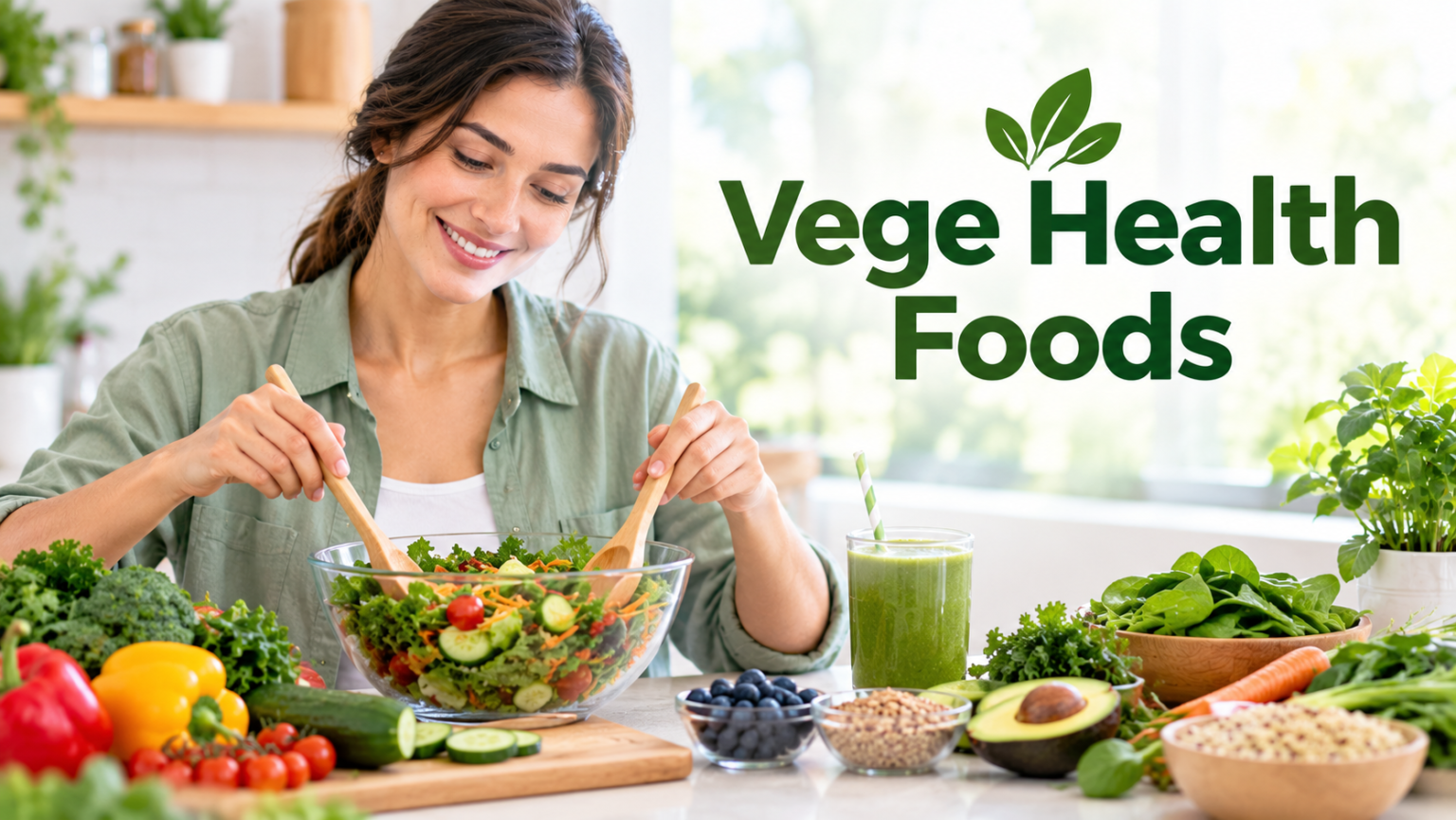
Vege health foods have become one of the fastest-growing categories in the modern food industry, appealing to vegetarians, vegans, flexitarians, and anyone looking to reduce their meat consumption without sacrificing taste or nutrition.
These products range from plant-based meat alternatives to fortified green powders and packaged snacks designed to fit seamlessly into a health-conscious lifestyle. As more consumers shift toward sustainable eating habits, understanding what vege health foods actually offer, how they are made, and which options genuinely support long-term wellness has become increasingly important.
This guide walks through everything you need to know about vege health foods, including their nutritional value, common product categories, how leading brands compare, and practical tips for choosing quality options that fit your dietary needs.
Key Takeaways
- Vege health foods include plant-based meat substitutes, fortified greens supplements, and packaged vegetarian snacks made from natural ingredients.
- Many products are fortified with essential nutrients like B12, iron, and calcium to address common gaps in plant-based diets.
- Reading ingredient labels carefully helps identify overly processed products versus genuinely nutritious options.
- Vege health foods can support weight management, heart health, and digestive wellness when chosen thoughtfully and paired with a balanced diet.
- Not all plant-based products are automatically healthier than their animal-based counterparts, so informed comparison matters.
What Are Vege Health Foods?
Vege health foods refer broadly to a category of vegetarian and vegan products manufactured to support health-conscious eating without relying on animal-derived ingredients. Below, we break down what this term actually covers and the main product types found within it.
Definition and Category Scope
The term vege health foods spans a wide spectrum of dietary preferences, from strict veganism to occasional flexitarian eating. It generally excludes meat, poultry, and seafood, though the inclusion of dairy or eggs depends on whether a product is labeled vegetarian or vegan. Companies in this space often emphasize natural ingredients, minimal processing claims, and nutrient fortification to appeal to health-focused shoppers.
Common Product Types
Within the vege health foods market, you’ll typically find plant-based meat substitutes like patties and mock meats, green superfood powders blending vegetables and herbal extracts, and packaged snacks such as veggie-based cakes or frittatas. Some brands also produce shelf-stable staples, including sauces, protein bars, and ready-to-cook meal kits designed for busy households seeking convenient vegetarian options.
Nutritional Benefits of Vege Health Foods
Vege health foods can offer meaningful nutritional advantages when formulated well, though the benefits vary significantly depending on the specific product and its ingredient list. The sections below outline the key nutritional considerations across macronutrients, micronutrients, and target audiences.
Macronutrient Profile
Many vege health food products are designed to replicate the protein content of animal-based foods using soy, pea, or wheat-based proteins. Fiber content tends to be notably higher than in conventional meat products, which supports digestive health. However, fat content can vary widely, with some processed alternatives containing added oils to mimic texture and flavor.
Micronutrients and Fortification
Because plant-based diets can sometimes fall short in certain nutrients, many vege health food brands fortify their products with vitamin B12, iron, and calcium. This fortification helps address common deficiencies associated with reduced or eliminated animal product consumption. Checking nutrition labels for these added nutrients is a useful way to gauge a product’s overall nutritional completeness.
Who Benefits Most
Vegetarians and vegans who want convenient, nutritionally balanced options often benefit the most from vege health foods, as do flexitarians looking to reduce meat intake gradually. Individuals managing cholesterol or heart health concerns may also find plant-based alternatives helpful, provided they choose minimally processed versions rather than heavily fortified imitation products.
Comparing Popular Vege Health Food Brands
Rather than listing tools with pricing, this section compares well-known vege health food brands based on product focus, ingredients, and target use case, since this better reflects how consumers actually evaluate these products.
| Brand | Product Focus | Key Ingredients | Best Suited For |
| Ahimsa Vege Health Food Industries | Vegetarian and vegan packaged foods | Plant proteins, natural additives | Consumers seeking broad vegetarian product ranges |
| Healthy Vege | Vegan meat alternatives | Soy-based proteins, non-GMO ingredients | Those replacing meat with mock chicken, tuna, or beef products |
| Progressive VegeGreens | Green superfood powders | Land and sea vegetables, herbal extracts | Individuals supplementing daily vegetable intake |
| Veggies Made Great | Veggie-based snacks and cakes | Vegetables, egg whites, whole grains | Quick, portable health-conscious snacking |
This comparison shows that vege health foods are not a single uniform category but rather a collection of distinct product lines, each serving different dietary goals. Choosing between them depends largely on whether you’re replacing a meal, supplementing your diet, or looking for a snack alternative.
How to Choose Quality Vege Health Foods?
Not every product marketed under the vege health foods label delivers genuine nutritional value, so knowing what to look for on packaging is essential. The following sections cover label reading and certification standards that help separate quality products from less beneficial options.
Reading Labels Carefully
When evaluating vege health foods, checking the ingredient list for excessive additives, artificial preservatives, or high sodium content is a practical first step. Products with shorter ingredient lists and recognizable whole-food components generally indicate less processing. Comparing protein and fiber content per serving also helps identify which products offer genuine nutritional density.
Certifications Worth Looking For
Certifications such as non-GMO verification, USDA organic labeling, and third-party vegan certification provide additional assurance about a product’s sourcing and manufacturing standards. These labels don’t guarantee superior nutrition on their own, but they do indicate a level of transparency and accountability that many shoppers value when selecting vege health foods.
Potential Drawbacks and Considerations
While vege health foods offer many advantages, they are not without limitations. Understanding these drawbacks helps set realistic expectations before incorporating these products into a regular diet.
Processing Concerns
Some plant-based meat alternatives undergo significant processing to achieve a texture and flavor similar to animal products. This can result in higher sodium levels, added oils, and synthetic flavoring compounds. Consumers focused on whole-food nutrition may want to limit reliance on heavily processed vege health foods and prioritize simpler, less manufactured alternatives instead.
Allergen Considerations
Many vege health foods rely on soy, gluten, or nut-based ingredients to achieve their protein content and texture, which can pose challenges for individuals with food allergies or sensitivities. Reading allergen warnings on packaging is essential, and those with specific dietary restrictions should seek out brands offering allergen-free formulations where available.
Incorporating Vege Health Foods Into Your Diet
Successfully integrating vege health foods into a daily eating routine requires thoughtful planning rather than simply substituting products one-for-one. The following guidance covers practical meal planning and nutritional pairing strategies.
Meal Planning Tips
Building meals around whole plant foods first, then supplementing with vege health food products for convenience, tends to produce more balanced results than relying on packaged items alone. Batch preparing meals using a mix of fresh vegetables, grains, and select vege health food products can help maintain variety while managing time constraints throughout the week.
Pairing for Balanced Nutrition
Pairing protein-rich vege health foods with fiber-dense vegetables and healthy fats creates more satisfying, nutritionally complete meals. For example, combining a plant-based protein source with leafy greens and a source of healthy fat like avocado or olive oil helps ensure a wider range of nutrients within a single meal.
Frequently Asked Questions
Are vege health foods good for weight loss?
Many vege health foods are lower in saturated fat and calories than animal-based equivalents, which can support weight management goals when consumed as part of a balanced diet.
Do vege health foods contain complete protein?
Some products combine multiple plant protein sources to create a more complete amino acid profile, though this varies by brand and formulation.
Are vege health foods safe for children?
Most vege health foods are safe for children when introduced appropriately, though parents should check for allergens and ensure adequate overall nutrient intake.
Can vege health foods replace meat entirely in a diet?
With careful planning and attention to nutrient fortification, vege health foods can effectively replace meat, though variety and whole-food inclusion remain important.
Conclusion
Vege health foods offer a practical way to embrace plant-based eating without giving up convenience or nutritional value. By understanding product categories, comparing brands thoughtfully, and reading labels carefully, consumers can make informed choices that align with their health goals.
As the plant-based food industry continues to grow, staying informed about ingredient quality and nutritional fortification will remain key to getting genuine value from vege health foods.
Related Articles
How to Release a Pinched Nerve in a Shoulder Blade?
What Causes Lower Back Pain in Females? Complete Guide with Treatment Tips
How to Unlock a Locked Knee: Causes, Immediate Steps & When to See a Doctor
Can Massaging the Muscle in the Neck Cause a Toothache?
Can Vaping Cause Stomach Issues? Signs, Causes & Relief Tips