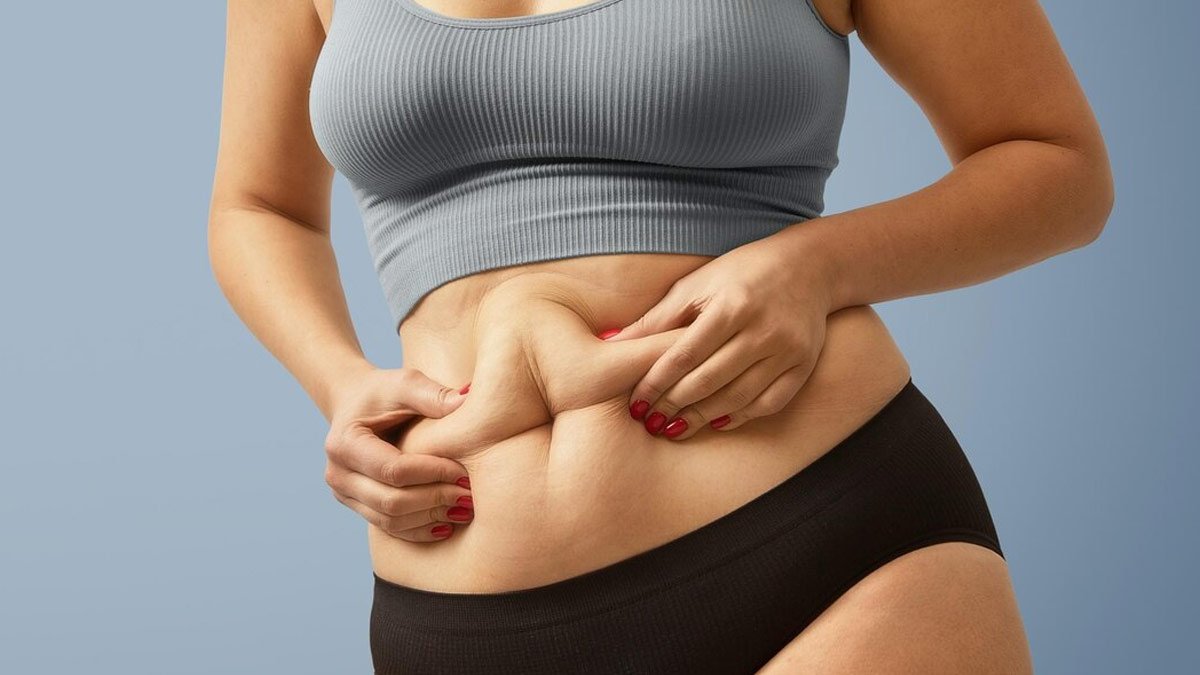
If the scale creeps up during your period, you are not imagining it — and you are definitely not alone. Most people with periods gain between 2 and 5 pounds (roughly 1 to 2.5 kg) in the days surrounding menstruation. That number can feel alarming, especially if you have been eating well and exercising regularly.
But here is the reassuring truth: this weight is almost never fat. It is your body responding to predictable hormonal shifts that trigger water retention, digestive bloating, and temporary changes in appetite. The good news is that it resolves on its own — usually within 2 to 4 days after your period begins.
Feeling bloated, heavy, and uncomfortable during your period is genuinely unpleasant — and the last thing you need is extra stress about a number on a scale. This guide explains exactly what is happening in your body, clears up common myths, and gives you practical, evidence-based strategies to manage it.
How Much Weight Can You Gain During Your Period?
Most people gain between 2 and 5 pounds (1 to 2.5 kg) during their period, though individual variation is significant. Those with higher sensitivity to hormonal fluctuations may notice more pronounced changes, while others experience only subtle differences.
Importantly, this fluctuation is temporary. For most people, weight returns to its normal baseline within 2 to 4 days after menstruation begins as hormone levels rebalance. It does not represent any lasting change in body composition.
Why Do You Gain Weight During Your Period?
During your menstrual cycle, several overlapping hormonal and physiological changes converge to cause temporary weight gain. Understanding each one helps you see that your body is working exactly as it should.
1. Hormonal Shifts — The Root Cause
In the days before your period, estrogen peaks and then drops sharply while progesterone rises. This hormonal combination signals your kidneys to retain sodium — and where sodium goes, water follows.
The result is temporary but noticeable fluid buildup throughout the body. Progesterone also slightly raises body temperature and can increase feelings of fatigue and heaviness. (Source: National Library of Medicine — Premenstrual Syndrome)
2. Water Retention
Elevated progesterone causes your body to hold excess sodium and water in your tissues. You may notice puffiness in your abdomen, fingers, or ankles. This is the primary driver of that 2 to 5 lb scale increase — and it has nothing to do with fat gain. As progesterone drops when your period arrives, your body begins releasing this retained fluid.
3. Bloating and Digestive Slowdown
Progesterone relaxes smooth muscle throughout the body — including your digestive tract. This slows the movement of food and gas through your intestines, leading to constipation, gas buildup, and that familiar feeling of abdominal fullness. Your stomach may look and feel distended even when your scale weight has barely changed.
4. Food Cravings and Appetite Changes
Serotonin levels dip before your period, which your brain compensates for by craving carbohydrates and sugar — foods that temporarily boost serotonin production. Giving in to salty or high-carb cravings can increase calorie intake and worsen water retention. These cravings are physiological, not a lack of willpower.
5. Reduced Physical Activity
Period fatigue, cramps, and general discomfort naturally reduce how much you move. Less movement means less lymphatic circulation — your body’s fluid drainage system — and fewer calories burned throughout the day. This compounds the temporary weight effect, even if your eating habits have not changed.
When Does Period Weight Gain Start and End?
Period-related weight changes follow a predictable timeline tied to your hormonal cycle:
- Days 21–28 of your cycle (late luteal phase): Bloating and fluid retention begin as progesterone peaks and estrogen drops. You may notice clothes feeling tighter or rings fitting more snugly.
- Day 1–2 of menstruation: Symptoms typically peak. Cramping, heaviness, and scale weight are often at their highest point.
- Days 3–5 of menstruation: As hormone levels normalize and bleeding continues, your body begins releasing retained fluid. Scale weight drops noticeably.
- End of period: Most people return to their baseline weight. The scale should reflect your usual number within a day or two of your period ending.
Why Do You Feel Heavier Than the Scale Shows?
Sometimes the feeling of heaviness is out of proportion to the actual scale number. This is because bloating directly affects how your body looks and feels — distended abdomen, tight waistbands, puffy face — independent of your actual weight.
The combination of water retention, gas buildup, and progesterone-driven muscle relaxation creates a physical sensation of heaviness that can feel more pronounced than the numbers suggest.
What Makes Period Weight Gain Worse?
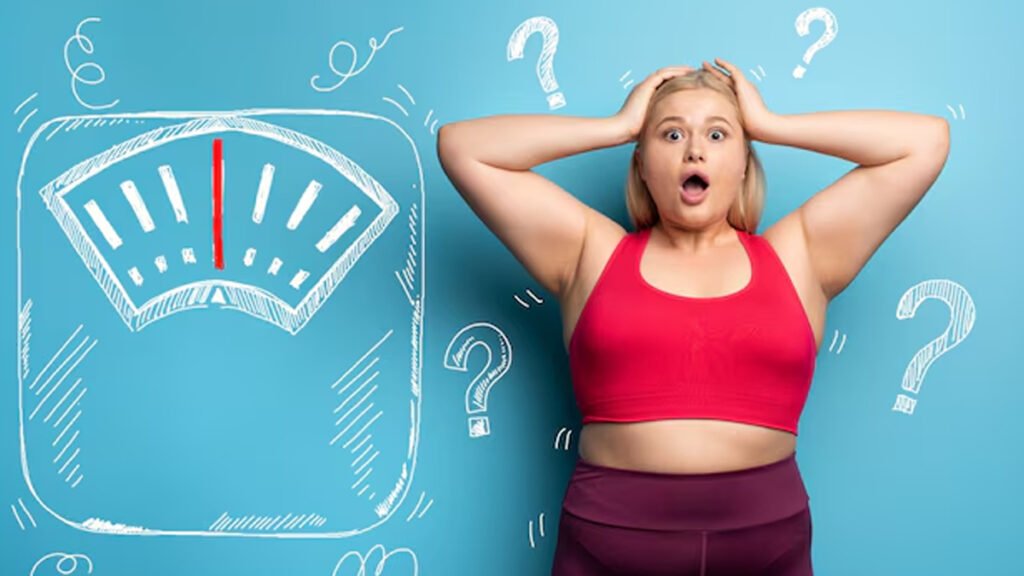
Certain lifestyle habits can amplify your body’s natural hormonal response during the luteal phase. The good news is these are all modifiable:
High Salt Intake
Sodium binds to water in your tissues. During the luteal phase, when your body is already primed to retain fluids, a high-salt meal can trigger significant overnight bloating. Processed foods, takeaways, restaurant meals, and canned goods are the most common hidden sodium sources — many contain 800 to 1,200 mg of sodium per serving.
Sugary and Processed Foods
High-sugar foods cause blood sugar spikes followed by crashes that deepen fatigue and intensify cravings — creating a cycle of overeating. They also trigger an inflammatory response that can worsen pelvic pain and bloating. Ultra-processed foods often combine high sugar and high sodium, making them doubly problematic during this phase.
Not Drinking Enough Water
Counter-intuitive but well-documented: dehydration signals your body to conserve water, making fluid retention worse. Aim for 8 to 10 glasses of water daily in the week before and during your period. Herbal teas count toward this total and some — like dandelion root — have mild natural diuretic properties.
Low Activity During the Luteal Phase
Physical movement stimulates your lymphatic system, which drains excess fluid from tissues. Skipping exercise in the week before your period allows fluid to pool and bloating to intensify. Even a 20 to 30 minute walk daily provides measurable benefit for circulation and mood.
Poor Sleep and High Stress
Elevated cortisol — your primary stress hormone — directly promotes water retention and disrupts estrogen and progesterone balance. Poor sleep compounds this effect. Prioritising 7 to 9 hours of sleep and managing daily stress can meaningfully reduce premenstrual bloating and weight fluctuation.
How to Reduce Period Weight Gain Naturally
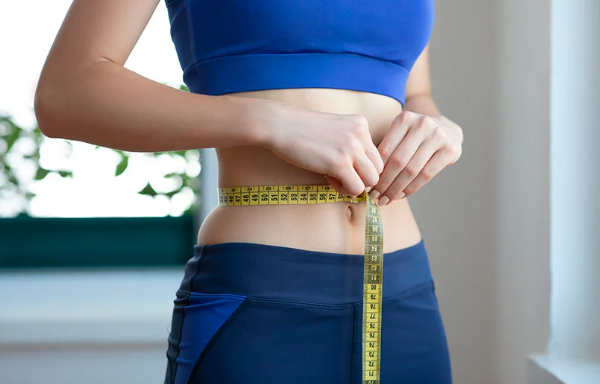
1. Reduce Sodium Intake
Cut sodium to under 1,500 mg per day for the 5 days before your period. Cook at home where possible, skip processed snacks, and read nutrition labels — many foods marketed as healthy contain significant sodium.
2. Drink More Water
Aim for 8 to 10 glasses of water daily. Adding fresh lemon, cucumber slices, or mint makes it easier to hit this target. Herbal teas like dandelion root and ginger provide hydration alongside natural anti-inflammatory and mild diuretic benefits.
3. Increase Potassium-Rich Foods
Potassium directly counteracts the water-retention effects of sodium. Target 4,700 mg of potassium daily through food: one banana provides 422 mg, half an avocado 487 mg, one cup of cooked spinach 839 mg, and one medium sweet potato approximately 542 mg.
4. Move Your Body Gently
Aim for 20 to 30 minutes of low-intensity movement daily — walking, yoga, swimming, or light cycling. Exercise reduces prostaglandins (the hormones responsible for cramps), improves lymphatic drainage, and boosts endorphins that help counter the mood dip associated with PMS.
5. Manage Stress Actively
Diaphragmatic breathing, progressive muscle relaxation, journaling, or 10 minutes of daily mindfulness can measurably reduce cortisol levels. Lower cortisol means less fluid retention and a more balanced hormonal environment during your cycle.
Foods to Eat and Avoid During Your Period
Eat more of these:
| Food | Why It Helps |
| Bananas | High in potassium; counteracts sodium-driven bloating |
| Spinach & kale | Magnesium-rich; reduces cramps and water retention |
| Avocado | Healthy fats + potassium; stabilizes mood and fluid balance |
| Cucumber | 95% water; flushes excess sodium naturally |
| Ginger tea | Reduces inflammation and eases digestive discomfort |
| Oats | Complex carbs that stabilize blood sugar and reduce cravings |
| Food / Habit | Why It Makes It Worse |
| Salty snacks (chips, pretzels) | Sodium spikes fluid retention — worsens bloating within hours |
| Sugary drinks & sweets | Blood sugar crash triggers cravings and increases fatigue |
| Processed foods | Hidden sodium; disrupts hormonal balance |
| Alcohol | Dehydrates the body, which paradoxically worsens fluid retention |
| Caffeine (excess) | Can worsen breast tenderness and anxiety; contributes to bloating in some |
Myths vs. Facts About Period Weight Gain
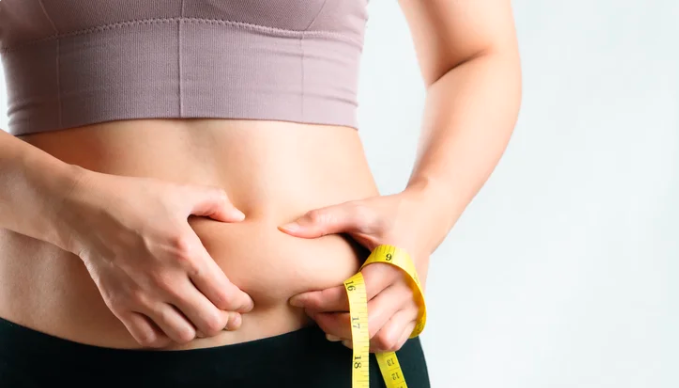
| Common Myth | The Scientific Fact |
| You gain actual fat during your period. | Most of the 1–5 lb increase is temporary — caused by water retention, hormonal bloating, and digestive slowdown — not real fat gain. |
| This weight gain is permanent. | It’s completely temporary. Weight returns to baseline within 2–4 days after your period begins as estrogen and progesterone stabilize. |
| You should skip workouts if you feel heavier. | Gentle movement — walking, yoga, stretching — actively reduces bloating, improves circulation, and boosts mood during your period. |
| Only increased hunger causes weight gain. | Hunger is one factor, but salty cravings, slower digestion, and constipation are equally responsible for bloating and temporary weight increase. |
| Lighter periods cause more weight gain. | Flow volume does not affect weight gain. The real drivers are hormonal factors — such as estrogen dominance or conditions like PCOS — not how heavy your period is. |
When Should You See a Doctor?
Most period weight gain is completely normal. However, consult a healthcare provider if any of the following apply:
- You gain more than 7 lbs that does not resolve within one week of your period ending.
- Weight gain is accompanied by severe pelvic pain, extremely heavy bleeding (soaking more than one pad per hour), or significant shortness of breath.
- Your symptoms have changed dramatically from your usual pattern — sudden worsening may indicate thyroid dysfunction, PCOS, endometriosis, or pelvic inflammatory disease.
- You experience significant psychological distress around weight and body image during your period — this is worth discussing with a doctor or therapist.
Note about PCOS: Polycystic Ovary Syndrome is a common hormonal condition where elevated androgen levels disrupt the menstrual cycle and can affect metabolism and weight. If you suspect PCOS, speak with a gynaecologist for proper evaluation.
Final Thoughts
Weight changes during your period are a normal, physiological response to your hormonal cycle — not a sign that something has gone wrong with your diet or health. Your body is doing exactly what it is designed to do.
Rather than watching the scale anxiously during this phase, focus on the habits that genuinely support your body: staying hydrated, eating whole foods, moving gently, and getting enough sleep. These small, consistent actions reduce the severity of symptoms and help you feel more comfortable each cycle.
Understanding your cycle — including its weight fluctuations — is one of the most powerful tools you have for building a positive and informed relationship with your body.
Frequently Asked Questions
Does bloating make you look heavier?
Yes. Bloating causes the abdomen to distend and can make your stomach appear significantly larger and your clothes feel tighter — sometimes out of proportion to your actual scale weight. This resolves as fluid is released and digestion normalises.
Does drinking water reduce period weight gain?
Yes. Drinking adequate water helps your kidneys flush excess sodium and reduces the body’s signal to retain fluid. Counter-intuitively, drinking more water is one of the most effective ways to reduce water retention.
Can exercise reduce period weight gain?
Yes. Gentle exercise — walking, yoga, swimming — stimulates lymphatic circulation and helps your body release retained fluids. It also reduces cramp-causing prostaglandins and improves mood through endorphin release.
Is it normal for weight to fluctuate throughout the month?
Yes. Weight naturally fluctuates across the four phases of your menstrual cycle — follicular, ovulation, luteal, and menstruation. Tracking weight on the same day each week rather than daily gives a more accurate picture of your true trend.
Should I weigh myself during my period?
Ideally no — or at least do not place weight on that number. Period fluctuations of 2 to 5 lbs are normal and can mask your true weight trend. If you weigh daily, expect these numbers to rise and then fall each cycle. Weigh yourself on the same day each week under consistent conditions for the most meaningful data.
Does caffeine affect period bloating?
For some people, yes. Caffeine is a vasoconstrictor that can worsen breast tenderness and anxiety. It may also disrupt sleep quality, which increases cortisol — worsening fluid retention. If you notice a link, try switching to herbal tea in the 5 to 7 days before your period.
Does everyone gain weight during their period?
It is very common but not universal. Most people with periods experience some degree of fluid retention and bloating, but the severity varies widely based on individual hormonal sensitivity, diet, stress levels, and overall health.
Related Articles
Embrace Health: Complete Guide to Services, Telehealth, Technology, and Future Innovations
LifeX Health Insurance Explained: Plans, Coverage, Cost, Benefits and Full Detailed Guide
MyChart First Health: Complete Guide to Registration, Login, Features, Appointments, and Billing
Jason Health Labs: Complete Guide to Affordable Online Lab Testing Services