Sleep apnea is not automatically considered a disability, but in severe cases, it can significantly affect a person’s daily life, work performance, and overall health. This sleep disorder causes repeated interruptions in breathing during sleep, leading to fatigue, poor concentration, and other serious complications.
In this article, we will discuss the common symptoms of sleep apnea, its leading causes, and the available treatment options to help manage the condition effectively. Understanding these aspects can help individuals recognize the warning signs early and seek proper medical care.
What Is Sleep Apnea?
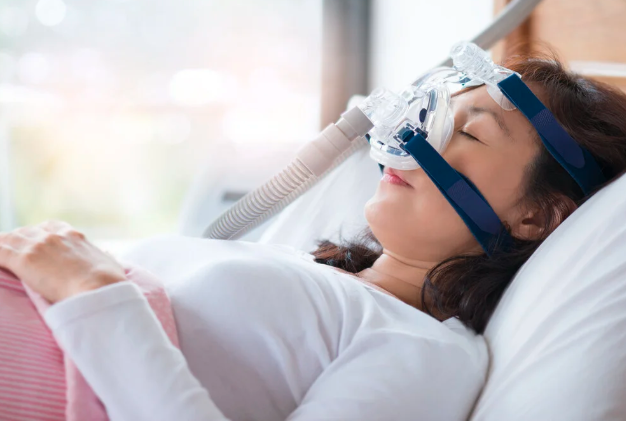
Sleep apnea is a common but potentially serious chronic condition that affects normal breathing during sleep. People with this disorder experience repeated pauses in breathing or shallow breaths throughout the night.
These interruptions can reduce oxygen levels and disturb sleep quality, often causing daytime tiredness and difficulty concentrating. Sleep apnea can affect people of all ages and may require medical evaluation if symptoms become frequent or severe.
Is Sleep Apnea a Disability?
Sleep apnea is generally not considered a disability by itself, but it can qualify as one if it significantly limits major life activities.
Under laws like the ADA (Americans with Disabilities Act), the condition must substantially impair functions such as breathing, sleeping, or concentrating to be legally recognized as a disability.
Many people with sleep apnea manage their symptoms effectively through treatments like CPAP therapy, which may prevent it from meeting the legal threshold.
When Does Sleep Apnea Become Disabling?
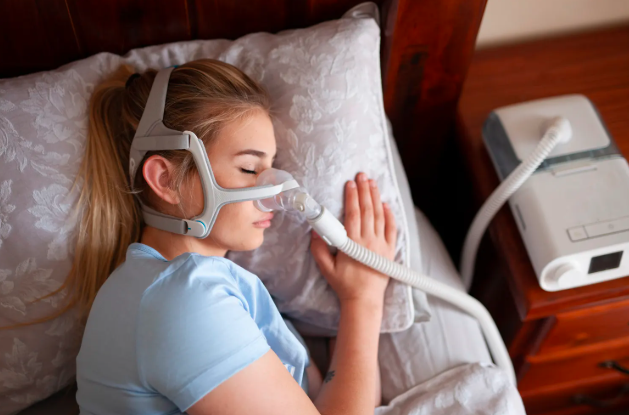
Sleep apnea may become disabling when its symptoms start seriously affecting a person’s daily life, physical health, and ability to work consistently. The severity of the condition can vary from person to person, and several important factors can determine when it reaches a disabling stage.
Severe Daytime Impairment
When sleep apnea causes uncontrollable daytime sleepiness, it becomes impossible to safely perform jobs requiring focus or operating machinery. This level of impairment directly limits a major life activity, which is the core legal standard for disability.
Treatment-Resistant Cases
Some individuals do not respond to CPAP therapy or surgical interventions, leaving symptoms chronic and unmanaged. When no treatment effectively controls the condition, the persistent severity is what pushes it into disabling territory.
Cognitive and Mental Health Decline
Untreated severe sleep apnea leads to memory problems, difficulty concentrating, and depression over time. These cognitive effects can make it impossible to maintain employment or perform routine tasks, further qualifying the condition as disabling.
Cardiovascular and Secondary Complications
Sleep apnea that triggers serious secondary conditions — such as heart failure, stroke, or uncontrolled hypertension — compounds the disability. At this stage, it is no longer just poor sleep but a systemic health crisis affecting multiple body functions.
Workplace Inability
When a person can no longer reliably attend work, stay awake during shifts, or function professionally despite treatment, sleep apnea meets the functional definition of a disability. This is typically the point where legal accommodations or disability benefits become applicable.
Types of Sleep Apnea
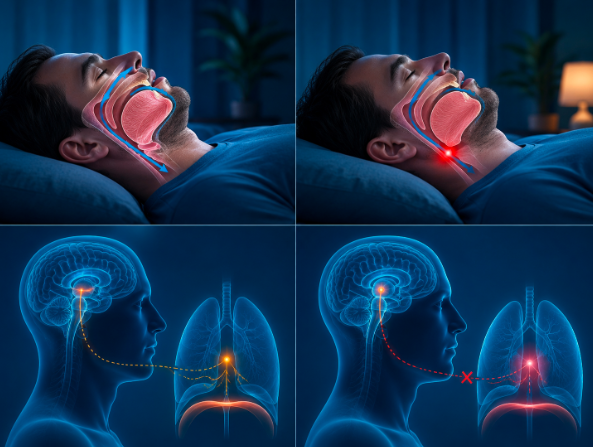
There are three main types of sleep apnea, each differing in cause and mechanism. Understanding which type a person has is essential for choosing the right treatment approach.
Obstructive Sleep Apnea (OSA)
OSA is the most common type, occurring when the throat muscles relax and physically block the airway during sleep. This obstruction causes repeated breathing interruptions, leading to snoring, gasping, and poor sleep quality throughout the night.
Central Sleep Apnea (CSA)
Unlike OSA, CSA is not caused by a physical blockage but by the brain failing to send proper signals to the breathing muscles. This neurological miscommunication means the body simply stops making the effort to breathe, making it a more complex and less common condition.
Complex (Mixed) Sleep Apnea
Complex sleep apnea, also called treatment-emergent sleep apnea, is a combination of both obstructive and central types occurring in the same individual. It is often identified when a patient being treated for OSA with CPAP therapy begins showing central apnea patterns that were not present before.
Symptoms That May Qualify as a Disability
Symptoms That May Qualify Sleep Apnea as a Disability — when severe and persistent enough, the following symptoms can meet the legal threshold for disability classification:
- Excessive Daytime Sleepiness (EDS): An uncontrollable urge to sleep during the day that makes it unsafe or impossible to drive, operate machinery, or maintain consistent employment.
- Chronic Fatigue: A deep, ongoing exhaustion that does not improve with rest, leaving the individual unable to sustain physical or mental effort required for daily tasks and work responsibilities.
- Memory Loss: Frequent inability to retain or recall information, which directly impairs job performance, decision-making, and independent functioning in professional and personal life.
- Brain Fog: A persistent state of mental cloudiness, slow thinking, and poor concentration that makes complex tasks, communication, and problem-solving consistently difficult to manage.
- Mood Disorders: Chronic sleep deprivation from untreated sleep apnea often triggers depression and anxiety severe enough to interfere with social functioning and workplace relationships.
- Cardiovascular Symptoms: When sleep apnea causes secondary conditions like irregular heartbeat or high blood pressure, the resulting physical limitations further strengthen a disability claim.
Common Causes and Risk Factors
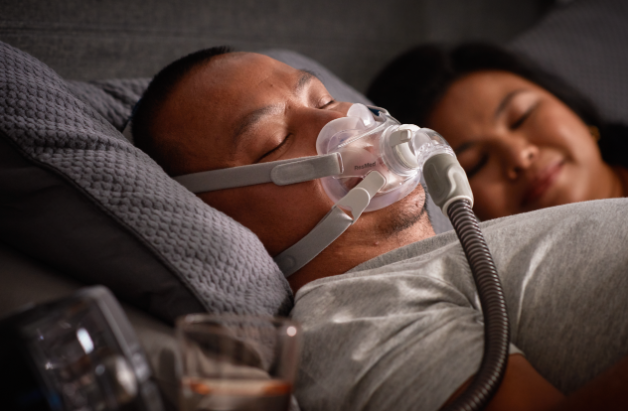
Several lifestyle, physical, and medical factors can increase the risk of developing sleep apnea. Below are some of the most common causes and risk factors associated with the condition.
Obesity
Excess body weight, especially around the neck area, can place pressure on the airway during sleep. This pressure may partially or completely block normal breathing.
Genetics
Sleep apnea can sometimes run in families due to inherited physical traits or airway structure. A family history of the condition may increase the likelihood of developing it.
Smoking
Smoking can irritate and inflame the upper airway, making breathing problems more likely during sleep. It may also increase swelling in the throat tissues.
Alcohol
Alcohol relaxes the throat muscles more than normal, which can increase airway blockage while sleeping. Symptoms may become worse after drinking alcohol before bedtime.
Narrow Airway
Some people naturally have a smaller airway or enlarged tonsils that restrict airflow during sleep. This physical structure can make breathing interruptions more common.
Aging
The risk of sleep apnea tends to increase with age because muscle tone in the airway may weaken over time. Older adults are often more vulnerable to sleep-related breathing issues.
Nasal Congestion
Chronic nasal congestion can make it harder to breathe properly through the nose during sleep. Reduced airflow may contribute to disrupted breathing patterns.
Health Complications Linked to Sleep Apnea
Sleep apnea can contribute to several physical and mental health problems when breathing interruptions continue over a long period. The condition may affect the heart, blood pressure, metabolism, and emotional well-being in different ways, which are explained below.
High Blood Pressure
Frequent drops in oxygen levels during sleep can increase pressure on the blood vessels. Over time, this may raise the risk of developing high blood pressure.
Heart Disease
Sleep apnea can place extra strain on the heart due to disrupted breathing and poor oxygen circulation. Severe cases may increase the likelihood of certain heart-related conditions.
Stroke Risk
Interrupted breathing patterns may affect blood flow and cardiovascular health, which can contribute to a higher risk of stroke. The risk may become greater when sleep apnea remains untreated.
Diabetes
Poor sleep quality and oxygen imbalance can affect how the body processes blood sugar. Sleep apnea is often linked with insulin resistance and type 2 diabetes.
Depression and Anxiety
Constant fatigue and disrupted sleep may negatively affect mental and emotional health. Many people with sleep apnea experience symptoms related to depression, stress, or anxiety.
Treatment Options for Sleep Apnea
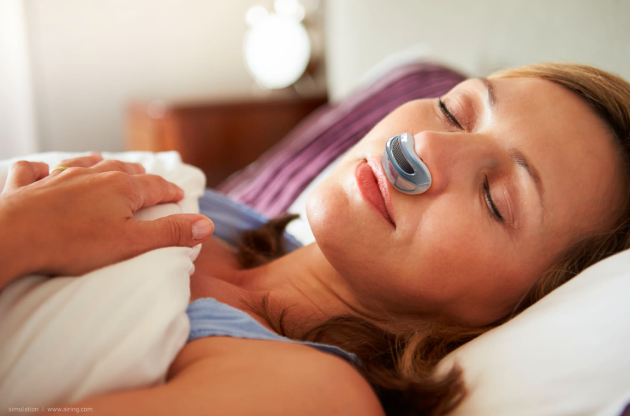
Sleep apnea can be managed through different treatment methods depending on the severity of the condition and its underlying cause. Some treatments focus on improving airflow during sleep, while others help reduce symptoms and related health risks. Below are few treatment options for Sleep Apnea
CPAP Therapy
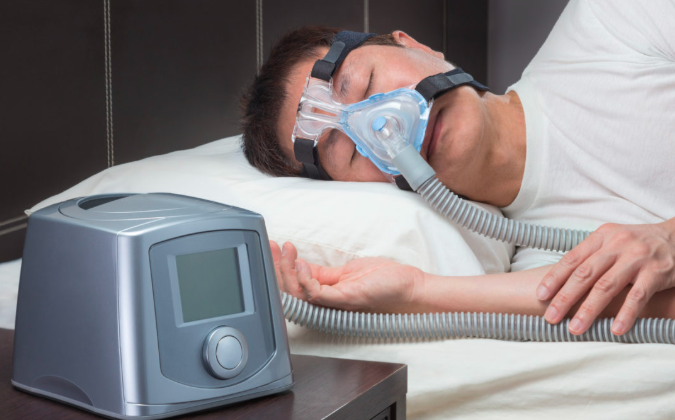
CPAP therapy uses a machine that delivers continuous air pressure through a mask while sleeping. It helps keep the airway open and is one of the most commonly used treatments for sleep apnea.
Weight Loss
Losing excess weight may reduce pressure around the airway and improve breathing during sleep. In some cases, weight loss can help decrease the severity of symptoms.
Oral Appliances
Oral appliances are specially designed devices worn in the mouth during sleep. They help reposition the jaw or tongue to keep the airway from becoming blocked.
Surgery
Surgery may be recommended when other treatments are not effective or when a physical blockage is causing the condition. Different procedures can help improve airflow by correcting airway structures.
Inspire Device
The Inspire device is an implanted treatment that helps control breathing during sleep through mild nerve stimulation. It is mainly used for certain people with moderate to severe obstructive sleep apnea.
Faqs
Is loud snoring always a sign of sleep apnea?
No, loud snoring does not always mean someone has sleep apnea. However, frequent snoring combined with choking, gasping, or daytime fatigue may indicate the condition.
Are home sleep apnea tests accurate?
Home sleep apnea tests can be accurate for detecting moderate to severe obstructive sleep apnea in many adults. However, they may miss mild cases or other sleep disorders that require a full sleep study.
What happens if sleep apnea is not treated for many years?
Untreated sleep apnea can increase the risk of high blood pressure, heart disease, stroke, diabetes, and severe daytime exhaustion. Long-term oxygen deprivation may also affect memory, concentration, and overall quality of life.
How many times can breathing stop during severe sleep apnea?
In severe sleep apnea, breathing can stop more than 30 times per hour during sleep. Some people experience interruptions hundreds of times throughout the night.
Can sleep apnea affect mental health and emotional wellbeing?
Yes, sleep apnea can contribute to anxiety, depression, irritability, and mood swings due to poor sleep quality and low oxygen levels. Chronic fatigue from sleep apnea may also increase stress and emotional exhaustion.
Conclusion
Sleep apnea is a serious sleep disorder that can affect breathing, overall health, and daily functioning when left untreated. While it is not always considered a disability, severe cases may lead to major physical and mental health complications. Understanding the symptoms, causes, and available treatment options can help individuals manage the condition more effectively. Early diagnosis and proper treatment are important for improving sleep quality and reducing long-term health risks.
Related Posts
EZ Gel Under Eye: A Complete Guide to Natural Under-Eye Rejuvenation
Can High Blood Pressure Cause Flashing Lights in Eyes?
Does Tennis Elbow Cause Shoulder Pain? Causes, Symptoms, Treatment & Prevention Guide
LifeX Health Insurance Explained: Plans, Coverage, Cost, Benefits and Full Detailed Guide
How to Treat a Sprained Wrist Fast: Complete Informative Guide