




A crunching or popping sound in the neck can feel uncomfortable and sometimes even worrying, especially when it happens frequently during movement. It can be linked to poor posture, muscle tightness, or joint stiffness from daily habits like long screen time.
In most cases, it is not serious, but it can indicate that your neck muscles and joints need better care, stretching, and proper alignment. Understanding the cause is the first step toward reducing the sound and improving overall neck mobility and comfort.
We will also be discussing important topics such as Is a Crunching Sound in the Neck Dangerous?, Fast Relief Techniques for Neck Crunching, and the Best Exercises to Fix Neck Crunching, so you can manage and improve neck health effectively.
What Is the Crunching Sound in the Neck?
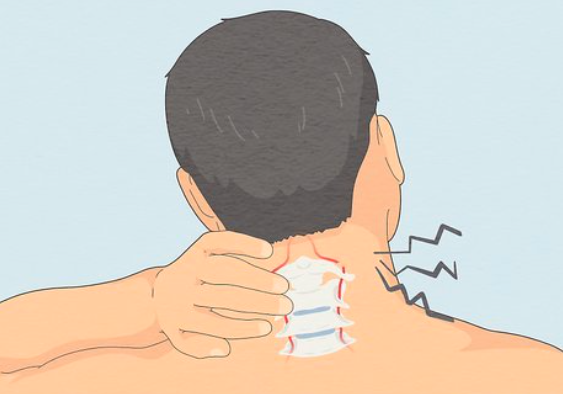
A crunching sound in the neck is often called neck crepitus, which refers to the clicking, popping, or grinding noises that happen when you move your neck. It usually comes from the small joints in your cervical spine as they move, stretch, or rub against each other.
In simple terms, your neck has many tiny joints, ligaments, and tendons that help you turn your head smoothly. When these structures move, you might hear sounds caused by gas bubbles releasing inside the joint fluid, tendons sliding over bones, or slight stiffness in the joints.
Most of the time, this sound is harmless, especially if there is no pain. However, if it comes with discomfort, stiffness, or frequent headaches, it may indicate posture issues or underlying joint wear that should be checked.
Why Does Your Neck Make Crunching or Popping Sounds?
Your neck can make crunching or popping sounds for several different reasons, and most of them are related to how your joints and soft tissues move during motion.
Gas bubbles in joints
Your neck joints contain fluid for smooth movement. Sometimes small gas bubbles form and burst when you move your neck, creating a popping or cracking sound. This is usually harmless.
Tendon and ligament movement
Tendons and ligaments can slightly shift over bones when you turn or tilt your head. When they snap back into place, they may produce a clicking or crunching noise.
Neck arthritis (cervical spondylosis)
With age or wear and tear, the cartilage in the neck joints can become rough. This can cause grinding or crunching sounds, often along with stiffness or mild discomfort.
Poor posture
Constantly looking down at phones or computers can strain the neck joints and muscles. Over time, this uneven pressure can make joint movement less smooth and noisier.
Previous neck injuries
Past injuries can change how the joints or soft tissues align and move. This may lead to recurring clicking or crunching sounds during motion.
In most cases, these sounds are not serious unless they come with pain, numbness, or reduced movement.
Is a Crunching Sound in the Neck Dangerous?

A crunching sound in the neck is usually not dangerous, especially if it happens without pain or other symptoms. In most cases, it is caused by normal joint movement, gas bubbles, or mild stiffness in the neck. However, if the sound is frequent and comes with discomfort, it may point to an underlying issue that should be checked.
- Usually harmless: Most neck cracking or crunching sounds are normal and not a sign of serious damage.
- No pain = less concern: If there is no pain, swelling, or stiffness, it is typically not dangerous.
- Possible warning signs: Pain, stiffness, headaches, or tingling along with the sound may indicate a problem.
- Linked to joint wear: In some cases, it can be related to arthritis or posture issues.
How to get rid of crunching sound in your neck?
To get rid of a crunching sound in your neck, focus on improving posture, reducing strain, and keeping the neck muscles flexible and strong. Gentle exercises like neck stretches and chin tucks can improve movement and reduce stiffness. Using a supportive pillow while sleeping also helps maintain proper alignment.
Neck stretches
Neck stretches are gentle movements that help improve flexibility and reduce stiffness in the neck muscles and joints. They involve slowly tilting, turning, or bending the head in different directions to relax tight areas. Doing them regularly can ease tension and may help reduce crunching or clicking sounds in the neck.
Strengthening exercises
Strengthening exercises for the neck help build muscle support around the spine, improving stability and reducing strain on the joints. Simple movements like chin tucks and gentle resistance exercises can make the neck stronger over time. With regular practice, they can improve posture and may reduce crunching or discomfort in the neck.
Posture correction
Posture correction means keeping your head, neck, and spine properly aligned to reduce strain on the neck joints and muscles. It involves avoiding slouching, keeping screens at eye level, and not leaning forward for long periods. Good posture helps the neck move more smoothly and can reduce crunching or stiffness over time.
Heat therapy
Heat therapy is the use of warm compresses or heating pads on the neck to relax tight muscles and improve blood flow. The warmth helps reduce stiffness and eases tension that may contribute to crunching sounds. Using it for 10–15 minutes can make the neck feel more relaxed and flexible.
Stress reduction techniques
Stress reduction techniques help relax the muscles in your neck that often become tight due to anxiety, long screen time, or mental pressure. When stress is reduced, muscle tension decreases, which can make neck movements smoother and less noisy. Simple methods like deep breathing, meditation, light stretching, and taking short breaks during work can all help calm both the mind and neck muscles.
Fast relief techniques

Fast relief techniques for neck crunching focus on quickly reducing stiffness and relaxing tight muscles. Gentle neck movements, applying heat, and correcting posture can provide immediate comfort. These methods don’t “fix” the sound instantly, but they can make the neck feel looser and reduce discomfort right away.
- Gentle neck stretches: Slowly tilt and turn your head to release tension in stiff muscles.
- Heat application: Use a warm compress or heating pad for 10–15 minutes to relax tight areas.
- Posture reset: Sit or stand straight, align your head over your shoulders, and avoid forward head posture.
- Deep breathing: Slow breathing helps relax tense muscles that may be adding pressure to the neck.
- Light self-massage: Gently massage the sides and back of your neck to improve blood flow and reduce tightness.
What to avoid?
When dealing with a crunching sound in the neck, certain habits can make the problem worse and should be avoided. These actions can increase stiffness, strain the joints, or irritate the muscles, making the sound more noticeable or uncomfortable.
Avoid cracking your neck forcefully
Forcefully cracking your neck can strain the joints, ligaments, and surrounding tissues. It may temporarily feel relieving but can increase instability over time. Repeated forceful movements can also worsen stiffness or irritation.
Don’t keep poor posture for long periods
Slouching or keeping your head forward puts extra pressure on the cervical spine. This can lead to muscle imbalance and joint stiffness. Over time, it may make crunching sounds more frequent.
Avoid sudden or jerky neck movements
Quick or uncontrolled neck movements can irritate the joints and surrounding muscles. They may also increase the risk of minor strains or discomfort. Slow and controlled motion is always safer for the neck.
Limit long screen time without breaks
Staying in one position for too long, especially while using phones or computers, tightens neck muscles. This reduces flexibility and increases stiffness in the joints. Taking regular breaks helps keep the neck relaxed.
Don’t ignore pain or other symptoms
If crunching comes with pain, tingling, or headaches, it may indicate an underlying issue. Ignoring these signs can allow the condition to worsen. It’s better to get it checked if symptoms persist.
Exercises to reduce neck crunching
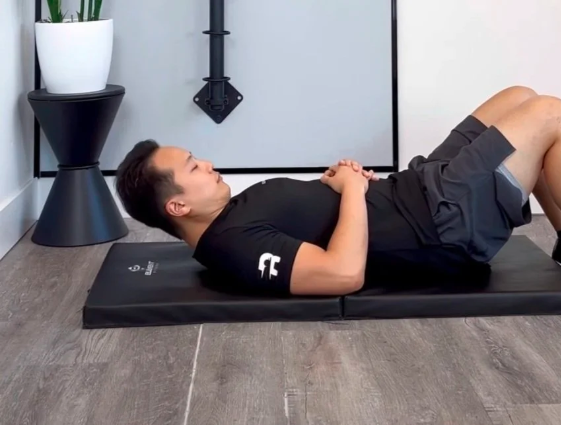
These exercises focus on improving neck mobility, posture, and muscle support, which helps reduce stiffness and the crunching or popping sound over time.
Chin Tucks
Sit or stand straight and gently pull your chin straight back (like making a “double chin”).
- Hold for 5–10 seconds
- Repeat 10–12 time
Helps strengthen deep neck muscles and improve alignment.
Neck Side Stretch
Turn your head slowly to the right, then to the left.
- Hold each side for 5–10 seconds
- Do 8–10 repetitions
Improves joint mobility and reduces stiffness.
Shoulder Blade Squeeze
Pull your shoulder blades back and down as if trying to hold a pencil between them.
- Hold for 5 seconds
- Repeat 10–15 times
Supports neck posture by strengthening upper back muscles.
Upper Trapezius Stretch
Gently pull your head sideways using your hand while keeping your shoulders relaxed.
- Hold 20 seconds per side
Reduces tension in the upper neck and shoulders.
Neck Isometric Press
Place your hand on your forehead and gently push your head against it without moving.
- Hold 5 seconds
- Repeat in all directions (front, sides, back)
Builds stability without stressing joints.
Shoulder Rolls
Roll shoulders forward and backward in a slow circular motion.
- 10 rotations each direction
Improves blood flow and reduces neck tightness.
Important Tip
Do these exercises slowly and gently. If you feel pain, dizziness, or worsening symptoms, stop and consult a healthcare professional.
When to see a doctor?

You should see a doctor if the crunching sound in your neck is not just occasional but comes with other warning signs or starts affecting your daily life. While mild neck sounds are usually harmless, certain symptoms may indicate an underlying issue that needs medical attention.
- Persistent pain or stiffness: If the crunching is accompanied by ongoing neck pain or difficulty moving your head normally.
- Headaches or dizziness: Frequent headaches, dizziness, or pressure along with neck sounds may signal a deeper problem.
- Numbness or tingling: Any tingling, weakness, or numbness in the arms or hands could suggest nerve involvement.
- Worsening symptoms over time: If the sound and discomfort gradually increase instead of improving with rest or care.
- After an injury: If the issue started after a fall, accident, or sudden neck strain, it should be evaluated by a professional.
FAQs
Can stress make my neck crack more often?
Yes, stress can tighten neck muscles, making movement less smooth and increasing clicking or crunching sounds.
Is it normal for my neck to crack when I wake up?
Yes, mild stiffness after sleep can cause sounds when you first move your neck, especially if your sleeping posture isn’t ideal.
Does exercise help reduce neck clicking sounds?
Yes, regular gentle exercise improves flexibility and strengthens muscles, which can reduce joint noise over time.
Can dehydration affect neck joint sounds?
Yes, low hydration may reduce joint lubrication, making movements feel stiffer and sometimes noisier.
Does age make neck crunching more common?
Yes, as we age, natural wear and tear in the joints can make these sounds more noticeable.
Can phone usage increase neck noises?
Yes, frequent phone use encourages poor posture, which puts extra strain on the neck joints and muscles.
Are neck massages helpful for reducing these sounds?
Yes, gentle massages can relax tight muscles and improve blood flow, which may reduce stiffness and noise.
Conclusion
A crunching sound in the neck is usually not something to panic about, as it is often caused by normal joint movement, mild stiffness, or posture-related strain. In most cases, it is harmless and can be managed with simple lifestyle changes like improving posture, doing gentle exercises, and reducing long hours of screen time.
However, if the sound is accompanied by pain, numbness, or worsening discomfort, it may indicate an underlying issue that needs attention. Overall, maintaining good neck habits, staying active, and managing stress can go a long way in keeping your neck healthy and reducing these sounds over time.
Related Articles
Detego Health Provider Portal: Complete Guide for Healthcare Providers
Jason Health Labs: Complete Guide to Affordable Online Lab Testing Services
MyChart First Health: Complete Guide to Registration, Login, Features, Appointments, and Billing
LifeX Health Insurance Explained: Plans, Coverage, Cost, Benefits and Full Detailed Guide