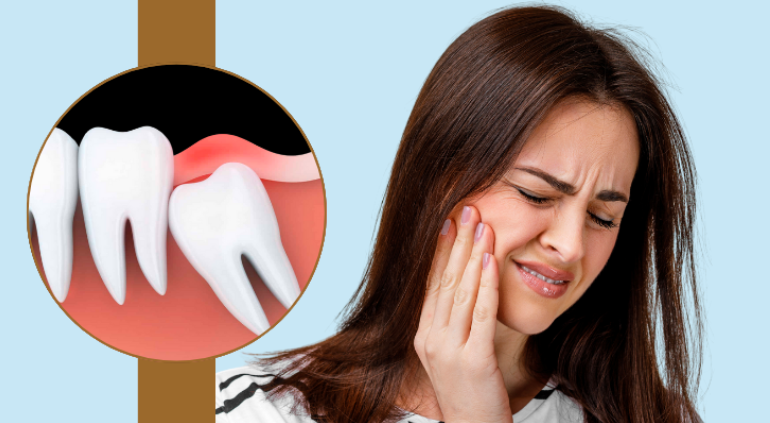
Wisdom tooth pain is a common dental issue that often occurs when the third molars begin to emerge at the back of the mouth. This discomfort is usually caused by emerging teeth, crowding of existing teeth, or impaction, where the tooth gets stuck and cannot fully break through the gums. As a result, it may lead to jaw pain, swelling, tenderness, and in some cases, infection around the affected area.
We will be discussing the symptoms of wisdom tooth pain, the best home remedies for wisdom tooth pain, and how to prevent wisdom tooth pain effectively.
What Is Wisdom Tooth Pain?
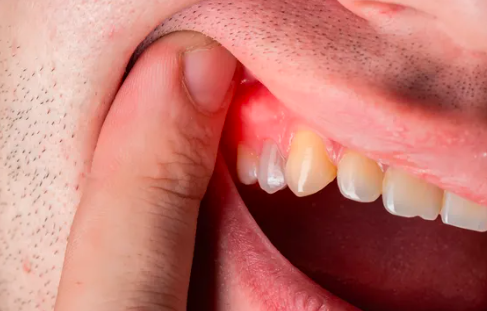
Wisdom tooth pain is a discomfort, throbbing, or pressure felt at the back of the jaw when third molars start erupting, usually between ages 17 to 25. It occurs as these teeth push through the gums or get trapped due to lack of space.
This can cause irritation, soreness, and swelling in the surrounding area. In some cases, impacted teeth increase the pressure and make the pain more intense.
Symptoms of Wisdom Tooth Pain
Wisdom tooth pain shows up through several noticeable changes in the back of the mouth and jaw area. Below, we will break down the main symptoms in detail.
Persistent aching
This is a steady pain that stays in the back part of the jaw for a long time. It may feel mild at first but can gradually become more uncomfortable. The pain is usually localized around the affected tooth area.
Swelling and redness in the back of the jaw or gum line
The gum tissue around the wisdom tooth may look inflamed and slightly raised. This happens when the area becomes irritated during tooth eruption. It can also feel warm or tender when touched.
Stiffness in the jaw and difficulty opening the mouth
Jaw movement may feel limited, especially during wide opening or chewing. This is caused by irritation of nearby muscles and surrounding tissues. It can make normal mouth functions feel uncomfortable.
Bad breath or lingering bad taste
An unpleasant odor or taste may develop in the mouth over time. This is often linked to food particles getting trapped around the partially erupted tooth. It can remain even after regular brushing or rinsing.
Causes of Wisdom Tooth Pain
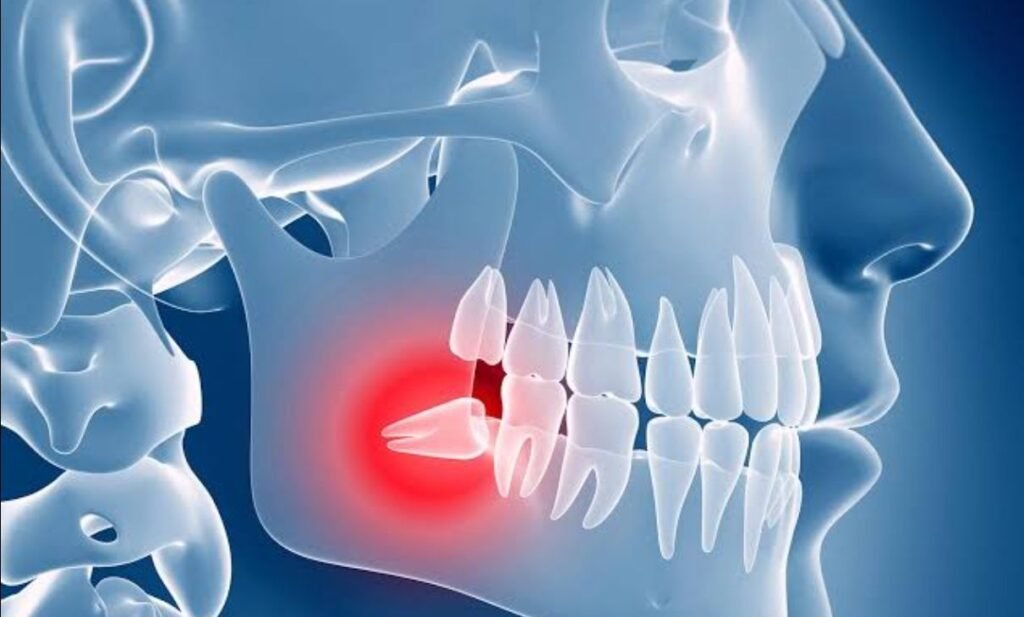
Wisdom tooth pain usually develops due to problems that occur while the tooth is trying to grow or settle in the mouth. Below, we will look at the main reasons behind this discomfort.
Impacted wisdom teeth
This happens when a wisdom tooth cannot fully emerge from the gum. It may grow at an angle or remain trapped inside the jawbone. This pressure on surrounding tissues leads to pain and discomfort.
Lack of space in the jaw
When the jaw is too small, there is not enough room for wisdom teeth to come in properly. This can cause crowding and push nearby teeth out of position. The pressure created often results in soreness and discomfort.
Infection and gum inflammation
Partially erupted wisdom teeth can trap food and bacteria around the gum area. This may lead to swelling and infection in the surrounding tissue. The affected area often becomes painful and sensitive.
How to Get Fast Relief from Wisdom Tooth Pain
Wisdom tooth pain can be managed quickly at home by reducing inflammation and controlling discomfort. Below are simple methods that help ease pain and provide short-term relief.
- Salt water rinse: Rinsing the mouth with warm salt water helps clean the affected area. It reduces bacteria buildup around the gum line. This can also soothe irritation and make the area feel cleaner.
- Cold compress: Applying a cold pack on the outside of the cheek helps numb the pain. It also reduces swelling around the jaw area. Use it for short intervals to avoid skin irritation.
- Pain relievers: Over-the-counter pain medications can help control discomfort. They reduce inflammation and make daily activities easier. Always follow the recommended dosage for safe use.
- Clove oil application: Clove oil can be applied gently to the painful area using a cotton swab. It has natural properties that help reduce pain sensation. Use only a small amount to avoid irritation.
Medical Treatments for Wisdom Tooth Pain
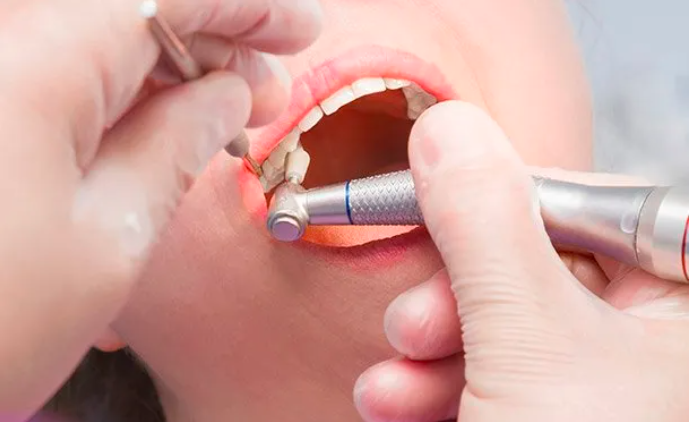
When wisdom tooth pain becomes persistent or severe, medical care is needed to manage discomfort and identify the exact cause. Below are common treatments used by dentists.
Numbing gels (topical relief)
These gels are applied directly to the affected gum area to temporarily reduce pain. They work by desensitizing the surface nerves in the mouth. Relief is usually short-term but helps during eating or speaking.
Antibiotics for infection cases
If there is swelling or bacterial infection around the wisdom tooth, antibiotics may be prescribed. They help control the infection and reduce inflammation in the gums. This treatment is often used before any dental procedure.
Dental check-up and X-rays
A dental examination helps assess the position and condition of the wisdom tooth. X-rays provide a clear view of whether the tooth is impacted or misaligned. This information guides the dentist in choosing the right treatment plan.
Wisdom Tooth Removal
Wisdom tooth removal is a dental procedure done when the tooth causes repeated pain, infection, or does not have enough space to grow properly. Below, we will explain when extraction is needed, how the procedure is done, and what recovery looks like.
Signs you need extraction
You may need removal if pain keeps coming back in the back of your jaw. Swelling around the gum or difficulty chewing can also indicate a problem. In some cases, the tooth may be stuck or growing in the wrong direction.
What happens during removal procedure
The dentist first numbs the area so you do not feel pain during the process. The tooth is then carefully loosened and removed, sometimes in pieces if it is impacted. The area is cleaned to reduce the risk of infection.
Recovery time and aftercare tips
Recovery usually takes a few days, depending on the complexity of the extraction. You may be advised to avoid hard foods and keep the area clean. Following proper care instructions helps reduce swelling and speeds up healing.
How to Prevent Wisdom Tooth Pain?

Wisdom tooth pain can often be avoided by maintaining proper oral hygiene and healthy habits that reduce gum problems. Below, we will explain the main ways to prevent it.
Daily brushing and flossing routine
Brushing twice a day helps remove plaque and food stuck around the back teeth. Flossing cleans between teeth where a toothbrush cannot reach properly. This reduces irritation around areas where wisdom teeth may grow.
Reducing sugar intake
Limiting sugary foods helps control bacteria that cause gum problems. Sugar increases acid formation that can weaken teeth and surrounding gums. Reducing it keeps the mouth environment healthier overall.
Regular dental visits
Regular check-ups help detect wisdom tooth issues at an early stage. Dentists can monitor growth and identify any risk of impaction. Professional cleaning also helps prevent hidden gum infections.
FAQs
Can wisdom tooth pain go away on its own?
Yes, mild pain may settle temporarily as the tooth adjusts, but it often returns if there is no proper space or underlying issue like impaction.
How long does wisdom tooth pain usually last?
It can last from a few days to several weeks depending on how the tooth is growing and whether infection or swelling is present.
Can wisdom tooth pain spread to the ear or head?
Yes, pain from the lower jaw can sometimes radiate to the ear, temple, or side of the head due to shared nerve pathways.
Is it normal to have wisdom tooth pain while sleeping?
Yes, pain often feels worse at night because there are fewer distractions and increased blood flow when lying down.
Can wisdom teeth cause headaches?
They can indirectly cause headaches due to jaw pressure, muscle strain, or inflammation around the back teeth.
What foods should be avoided during wisdom tooth pain?
Hard, crunchy, and sticky foods should be avoided as they can irritate the gums and increase discomfort while chewing.
Is wisdom tooth pain always a sign of extraction?
Not always. Some cases improve with treatment or time, but persistent pain or infection may require removal.
Conclusion
Wisdom tooth pain usually happens when third molars grow improperly or get impacted due to lack of space. It can cause swelling, discomfort, and difficulty in eating or opening the mouth. Early care with home remedies and good oral hygiene can help manage mild pain.
In more serious cases, medical treatment or extraction may be required. Regular dental check-ups are important to prevent complications and keep the condition under control.
Related Articles
Can High Blood Pressure Cause Flashing Lights in Eyes?
EZ Gel Under Eye: A Complete Guide to Natural Under-Eye Rejuvenation
Does Tennis Elbow Cause Shoulder Pain? Causes, Symptoms, Treatment & Prevention Guide
Jason Health Labs: Complete Guide to Affordable Online Lab Testing Services
Detego Health Provider Portal: Complete Guide for Healthcare Providers