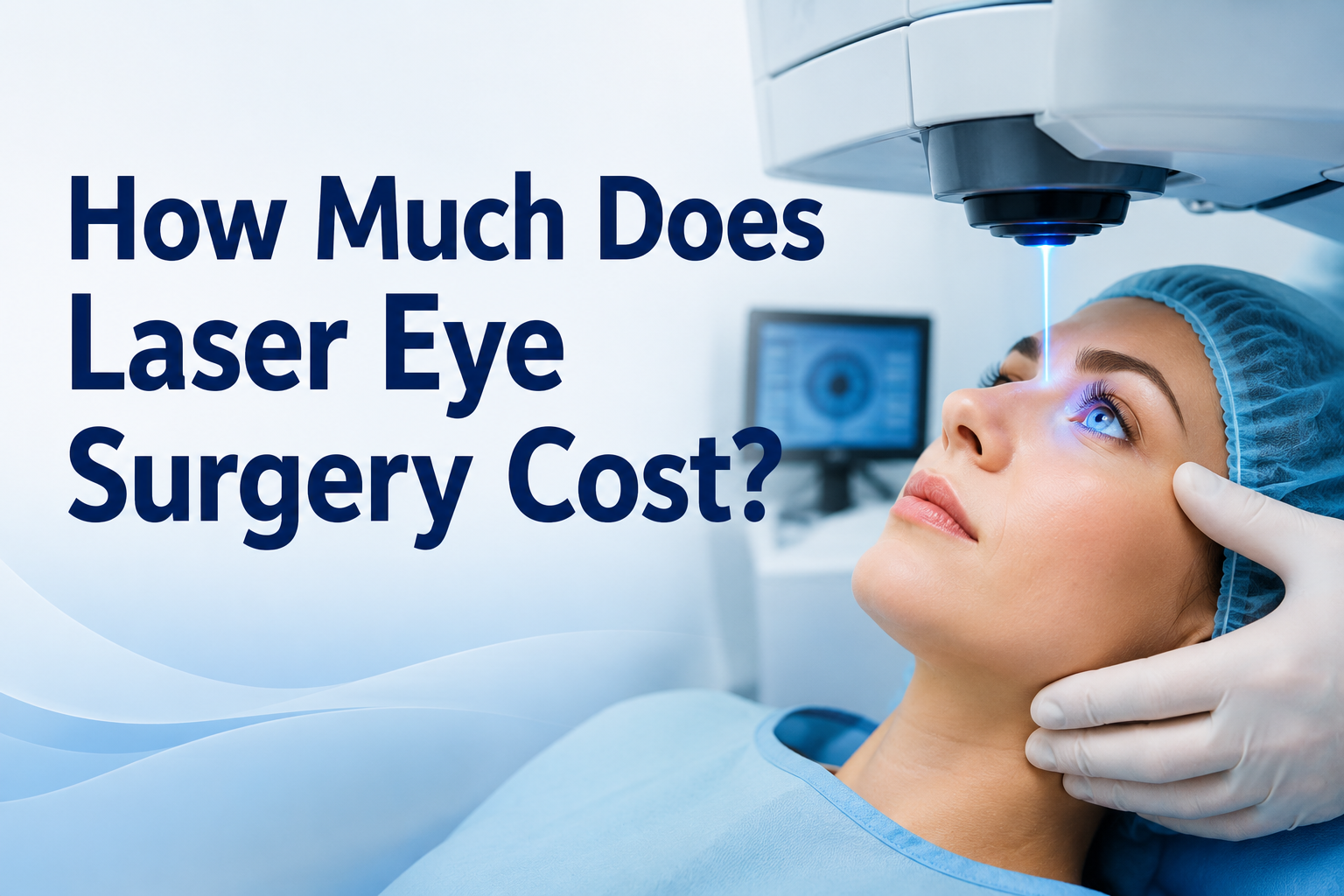
Laser eye surgery generally costs between $1,500 and $5,000 per eye in the United States, depending on the clinic, technology, and your specific vision needs. Most patients end up paying somewhere around $2,000 to $2,900 per eye once discounts and package deals are applied.
The final bill depends heavily on which procedure you choose, since LASIK, PRK, and SMILE all come with slightly different pricing structures. Location also plays a big role, as clinics in major cities tend to charge more than those in smaller towns.
Before booking any consultation, it helps to understand exactly what drives these numbers up or down. The sections below break down every cost factor in simple, easy-to-follow detail.
Average Cost of Laser Eye Surgery
The average price tag for laser eye surgery shifts quite a bit based on which specific procedure a patient chooses. Below, each major option is explained separately so you can compare them side by side.
LASIK Cost
LASIK remains the most common form of laser vision correction, and it typically costs between $1,950 and $2,895 per eye at most reputable clinics. This price usually bundles the pre-operative evaluation, the actual procedure, and at least one round of follow-up visits. Patients with more complex prescriptions or those who choose wavefront-guided technology often pay toward the higher end of this range.
PRK Cost
PRK, an older technique that reshapes the surface of the cornea instead of creating a flap, is priced similarly to LASIK, generally landing between $1,800 and $2,700 per eye. Many clinics charge slightly less for PRK since it requires less specialized equipment during the procedure itself. However, recovery tends to take longer, which sometimes means additional follow-up appointments and medication costs.
SMILE Cost
SMILE, a newer minimally invasive laser procedure, usually costs more than traditional LASIK, often ranging from $2,500 to $4,000 per eye. The higher price reflects the specialized femtosecond laser technology required and the fact that fewer surgeons are trained to perform it. Patients considering SMILE should confirm whether their local provider even offers this option before assuming it fits their budget.
| Procedure | Average Cost Per Eye | Recovery Time |
| LASIK | $1,950 – $2,895 | 1–3 days |
| PRK | $1,800 – $2,700 | 5–7 days |
| SMILE | $2,500 – $4,000 | 2–4 days |
| ICL | $3,000 – $4,500 | 1–2 days |
Factors That Affect the Cost
Several variables combine to determine your final price, and understanding them can help you avoid overpaying. The three subsections below cover the biggest contributors to cost differences between clinics.
Surgeon Experience
A highly experienced surgeon with a strong track record generally charges more than a newer practitioner, and this difference can easily run several hundred dollars per eye. Many patients find this extra cost worthwhile since experienced surgeons tend to have lower complication rates. It is reasonable to ask any clinic how many procedures their surgeon has personally performed before committing.
Technology Used
Clinics that use the newest femtosecond and wavefront-guided lasers typically charge more than those relying on older equipment. This technology often improves precision and reduces the likelihood of needing a second corrective procedure later. Patients should ask directly whether the quoted price already includes the advanced laser or whether it is billed as an upgrade.
Location
Prices in large metropolitan areas are usually higher than in smaller cities or rural regions, largely due to higher rent and operating costs for clinics. Someone living in a major city may pay several hundred dollars more per eye compared to a patient in a smaller town. Traveling to a nearby city with lower average pricing is a strategy some patients use to reduce their total expense.
Hidden and Additional Costs
Beyond the advertised base price, several extra charges can appear once you actually schedule a procedure. The subsections that follow explain where these additional costs typically come from.
Enhancement Procedures
A small percentage of patients need a touch-up procedure within a few years of their original surgery, and this is not always included in the initial price. Enhancement costs can range from a few hundred dollars to nearly the full original price, depending on the clinic’s policy. It is worth asking upfront whether enhancement procedures are covered under a lifetime guarantee.
Medications
Post-surgery eye drops, antibiotics, and anti-inflammatory medications add a smaller but noticeable cost that many patients forget to budget for. These typically range from fifty to a few hundred dollars depending on the prescription strength and duration of use. Some clinics include a basic medication kit in their package, so confirming this detail in advance can prevent surprise expenses.
Follow-up Visits
Most clinics include a set number of follow-up appointments in their base price, but additional visits beyond that number are often billed separately. Patients with slower healing or minor complications may need more visits than originally planned. Reviewing the clinic’s follow-up policy before surgery helps set realistic expectations about total cost.
Insurance and Payment Options
Laser eye surgery is usually classified as an elective procedure, meaning it is rarely covered under standard health insurance plans. The subsections below explain the financial tools patients commonly use instead.
Insurance Coverage
Most standard medical insurance plans in the United States do not cover laser eye surgery since it is considered cosmetic or elective rather than medically necessary. A small number of vision insurance plans offer partial discounts, though full coverage is uncommon. Checking directly with your insurance provider remains the only reliable way to confirm what, if anything, applies to your specific plan.
HSA and FSA Options
Health Savings Accounts and Flexible Spending Accounts allow patients to use pre-tax dollars toward the cost of laser eye surgery, which can meaningfully lower the effective price. In 2026, FSA contribution limits sit around $3,400 per year, which usually covers only part of the total procedure cost. Combining these tax-advantaged accounts with a payment plan is a common strategy among patients managing the expense.
Financing Plans
Many clinics partner with third-party financing companies to offer monthly payment plans, sometimes with promotional zero-interest periods. This approach spreads the cost over several months or years rather than requiring a single large payment upfront. Patients should carefully review the interest rate that kicks in after any promotional period ends before signing a financing agreement.
How to Save Money on Laser Eye Surgery?
Reducing the overall cost of laser eye surgery is possible without sacrificing quality if you know where to look. The list below outlines the most effective and commonly used savings strategies.
- Request written quotes from at least three different clinics before choosing one
- Ask about seasonal promotions, which often appear in January and September
- Confirm whether enhancement procedures are included at no extra charge
- Use HSA or FSA funds to reduce your taxable cost
- Ask if your employer offers a vision benefit or corporate discount program
Is Laser Eye Surgery Worth the Cost?
For many patients, the upfront cost of laser eye surgery is offset over time by the money saved on glasses, contact lenses, and related supplies. Someone who currently spends several hundred dollars per year on vision correction products may recover the cost of surgery within five to ten years.
Beyond the financial angle, many patients also report a meaningful improvement in daily convenience and quality of life after the procedure. Weighing both the immediate expense and the long-term savings gives a clearer picture of whether the investment makes sense for your situation.
How Different Providers Compare?
Large national chains such as LasikPlus and the LASIK Vision Institute generally advertise starting prices in the $2,495 to $2,895 range per eye, positioning themselves as premium, all-inclusive options.
Smaller independent clinics sometimes advertise lower starting prices, but patients should confirm whether pre-op exams and follow-up care are truly included. Comparing at least two or three providers side by side, rather than relying on the first advertised number you see, remains the best way to find accurate pricing for your specific prescription.
FAQs
How much does laser eye surgery cost per eye? Most patients pay between $1,950 and $2,895 per eye for standard LASIK, though prices can range from $1,500 to $5,000 depending on the clinic and technology used.
Does insurance cover laser eye surgery? Standard health insurance rarely covers laser eye surgery since it is considered elective, though HSA and FSA funds can be used to offset the cost.
Is SMILE more expensive than LASIK? Yes, SMILE typically costs several hundred dollars more per eye than traditional LASIK due to the specialized laser technology it requires.
Can I finance laser eye surgery? Many clinics offer monthly payment plans through third-party financing partners, often with promotional low-interest periods for qualifying patients.
Are there hidden fees I should ask about? Yes, always ask about enhancement procedure costs, medication kits, and the number of included follow-up visits before signing any agreement.
Conclusion
Laser eye surgery cost varies widely based on procedure type, technology, surgeon experience, and location, but most patients in 2026 can expect to pay somewhere between $1,950 and $2,900 per eye. Hidden costs like medications, enhancement procedures, and extra follow-up visits can add to the final bill if they are not clarified upfront.
Using HSA or FSA funds, comparing multiple clinics, and asking about seasonal discounts are practical ways to manage the overall expense. Understanding these details before your consultation puts you in a much stronger position to make a confident, informed decision.
RELATED ARTICLES
Ear Pain When Chewing: Causes, Symptoms, Diagnosis, and Effective Treatment
Can Periods Cause Fever? Causes, Symptoms & When to Worry
Level 2 Autism Spectrum Disorder: A Complete and Easy Guide
Is Autism Spectrum Disorder Capitalized? A Complete Guide
Autism in 4-Year-Old: Signs, Cause, What Parents Should Know