


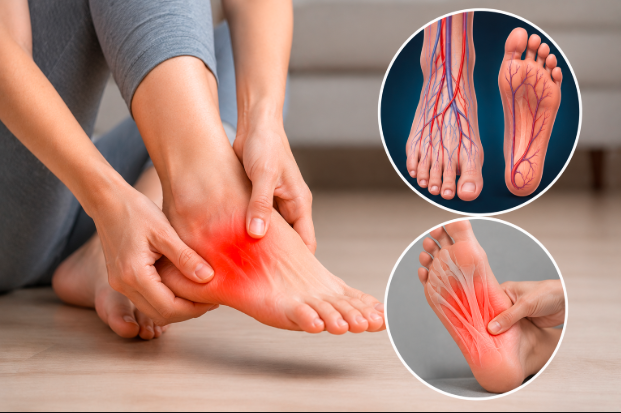
Many people experience discomfort in the middle of the foot and wonder whether poor blood flow could be responsible. In some cases, insufficient circulation in feet pain in the arch may occur when reduced blood supply affects the muscles, nerves, and tissues of the feet. This can lead to aching, cramping, numbness, or discomfort that becomes worse while walking or standing.
However, poor circulation is not always the only cause of arch pain. Conditions such as plantar fasciitis, diabetes, arthritis, and nerve problems can also contribute to foot discomfort. Understanding the relationship between circulation and foot health can help identify the underlying cause and guide proper treatment.
What Does Insufficient Circulation in the Feet Mean?
Poor circulation means that blood is not reaching certain areas of the body efficiently. Blood carries oxygen and nutrients that tissues need to stay healthy. When blood flow becomes limited, the feet are often among the first areas to show symptoms.
Reduced circulation may occur because of narrowed arteries, diabetes, smoking, obesity, or other medical conditions. Since the feet are far from the heart, they can be especially vulnerable to decreased blood supply.
Understanding the Foot Arch and Why It Hurts?
The arch of the foot acts as a natural shock absorber. It supports body weight and helps with movement during walking and running. Pain in this area can interfere with daily activities and may have several causes.
Although insufficient circulation in feet pain in arch is possible, muscle strain, inflammation, tendon problems, and nerve issues are often involved as well.
Can Poor Blood Circulation Cause Pain in the Arch of the Foot?
Yes, reduced blood flow can contribute to arch pain. When muscles and tissues do not receive enough oxygen, they may become painful or weak. Some people experience aching or cramping in the arch, especially after physical activity.
Pain caused by circulation problems may also be accompanied by cold feet, numbness, tingling sensations, or skin color changes. Since these symptoms overlap with other conditions, proper diagnosis is important.
Common Symptoms of Poor Circulation in the Feet
Poor circulation can affect the feet in different ways. Some symptoms are mild, while others may indicate a more serious vascular problem. The following signs are commonly associated with decreased blood flow.
Cold Feet
People with circulation problems often notice that their feet feel unusually cold, even in warm weather. This happens because less warm blood reaches the lower extremities.
Tingling and Numbness
Reduced blood supply may affect nerves and create a pins-and-needles sensation. Persistent numbness should not be ignored because it may indicate an underlying health condition.
Burning or Cramping Sensation
Some individuals experience cramping or burning pain, particularly while walking. This discomfort often improves after resting.
Skin Color Changes
Poor circulation can cause the skin to appear pale, bluish, or reddish. Changes in skin color occur because oxygen-rich blood is not reaching the tissues normally.
Slow-Healing Wounds
Cuts and blisters that heal slowly may be a sign of inadequate circulation. Reduced blood flow makes it difficult for tissues to repair themselves.
Causes of Insufficient Circulation That May Lead to Arch Pain
Several medical conditions can reduce blood flow to the feet. Understanding these causes helps explain why insufficient circulation in feet pain in arch develops in some people.
Peripheral Artery Disease (PAD)
Peripheral artery disease occurs when arteries become narrowed because of fatty deposits. This reduces blood supply to the legs and feet.
People with PAD may notice pain while walking, cold feet, or slow-healing wounds. Arch pain can occur when muscles do not receive enough oxygen during activity.
Diabetes and Diabetic Neuropathy
Diabetes damages both blood vessels and nerves. High blood sugar levels over time can reduce circulation and lead to diabetic neuropathy.
Common symptoms include:
- Tingling sensations.
- Burning pain.
- Loss of feeling in the feet.
- Increased risk of ulcers.
Smoking and Tobacco Use
Smoking damages blood vessels and reduces oxygen delivery throughout the body. Nicotine causes arteries to narrow, which makes circulation problems worse.
Smokers have a greater risk of developing foot pain, vascular disease, and delayed healing.
Other Conditions That Can Cause Arch Pain
Arch pain does not always result from circulation problems. Several common foot disorders can produce similar symptoms, making accurate diagnosis essential.
Plantar Fasciitis
Plantar fasciitis is one of the most common causes of arch pain. It occurs when the plantar fascia becomes inflamed due to overuse or strain.
Pain is usually worse in the morning and improves gradually with movement.
Flat Feet and Fallen Arches
People with flat feet have less support in the arch area. This can lead to pain, fatigue, and discomfort after standing for long periods.
Posterior Tibial Tendon Dysfunction
The posterior tibial tendon helps support the arch. Damage or inflammation of this tendon can cause progressive arch pain and changes in foot shape.
How to Tell if Your Arch Pain Is Related to Poor Circulation?
Determining the cause of arch pain requires attention to accompanying symptoms. Pain linked to circulation problems often occurs together with cold feet, numbness, skin discoloration, and delayed wound healing.
Pain caused by plantar fasciitis is usually most noticeable when taking the first steps in the morning. In contrast, circulation-related discomfort may become worse during physical activity and improve after resting.
People who have diabetes, smoke, or have cardiovascular disease should pay particular attention to symptoms involving both pain and changes in skin appearance.
Risk Factors for Developing Circulation Problems in the Feet
Certain factors increase the risk of poor circulation and associated foot pain.
Major risk factors include:
- Diabetes.
- Smoking.
- High blood pressure.
- High cholesterol.
- Obesity.
- Lack of exercise.
- Older age.
- Family history of vascular disease.
Managing these factors early can lower the chances of developing chronic foot problems.
How Doctors Diagnose Poor Circulation and Foot Arch Pain
Finding the exact cause of foot pain requires proper evaluation. Since many conditions produce similar symptoms, doctors usually perform several tests to determine whether reduced blood flow is responsible. The following methods help identify circulation problems and other foot disorders.
Physical Examination
A doctor will examine the feet for changes in skin color, temperature, swelling, and pulse strength. They may also ask questions about pain during walking, numbness, smoking habits, and existing health conditions.
Blood Tests
Blood tests help detect diabetes, high cholesterol, inflammation, and other medical conditions that may affect circulation.
Ankle-Brachial Index (ABI)
The ankle-brachial index compares blood pressure in the ankle with blood pressure in the arm. This test helps identify peripheral artery disease and evaluate blood flow to the legs and feet.
Doppler Ultrasound
A Doppler ultrasound uses sound waves to show how blood moves through the arteries. It can reveal narrowing or blockages that reduce circulation.
Imaging Tests
CT scans, MRI scans, and angiography provide detailed images of blood vessels and surrounding tissues. These tests are usually recommended when doctors suspect serious vascular disease.
Treatment Options for Poor Circulation in the Feet
Treatment depends on the underlying cause and the severity of symptoms. Improving blood flow often reduces pain and helps prevent complications. Several treatment approaches are available.
Medications
Doctors may prescribe medications to control blood pressure, cholesterol, or diabetes. Blood-thinning medicines may also be used when circulation problems are caused by narrowed arteries or blood clots.
Managing Underlying Conditions
Controlling diabetes, maintaining healthy cholesterol levels, and treating heart disease can significantly improve blood flow and reduce symptoms associated with insufficient circulation in feet pain in arch.
Home Remedies and Lifestyle Changes to Improve Circulation
Simple lifestyle changes can support healthy blood flow and reduce discomfort. Consistency is important because circulation problems often develop gradually over time.
Staying Physically Active
Walking, swimming, and stretching help stimulate circulation. Even short periods of movement throughout the day can improve blood flow to the feet.
Elevating the Feet
Raising the feet above heart level for short periods may help reduce swelling and improve circulation.
Eating a Heart-Healthy Diet
A healthy diet supports blood vessel health and reduces cholesterol buildup.
Foods that support circulation include:
- Fruits and vegetables.
- Whole grains.
- Fish rich in omega-3 fatty acids.
- Nuts and seeds.
- Beans and legumes.
Exercises and Stretches to Relieve Foot Arch Pain
Regular exercises strengthen muscles and improve flexibility. They can also enhance circulation and reduce discomfort.
Helpful exercises include:
- Toe stretches to improve flexibility.
- Calf stretches to reduce tension.
- Rolling the foot over a tennis ball to massage the arch.
- Heel raises to strengthen muscles.
- Short walks several times daily to promote circulation.
People experiencing severe pain should consult a healthcare provider before beginning an exercise routine.
Foods and Vitamins That Support Healthy Blood Circulation
Nutrition plays an important role in maintaining healthy arteries and tissues. Certain nutrients support blood flow and overall cardiovascular health.
| Nutrient | Food Sources | Benefits |
| Omega-3 fatty acids | Salmon, tuna, walnuts | Supports blood vessels |
| Vitamin C | Citrus fruits, berries | Promotes healthy circulation |
| Vitamin E | Almonds, sunflower seeds | Protects blood vessels |
| Magnesium | Spinach, beans | Helps muscle and nerve function |
| Potassium | Bananas, sweet potatoes | Supports blood pressure control |
Although supplements may help in some cases, obtaining nutrients from food is usually preferred.
When to See a Doctor for Foot Arch Pain
Occasional discomfort after physical activity is common, but persistent symptoms should not be ignored. Medical evaluation is especially important when pain interferes with daily activities or becomes progressively worse.
Seek medical attention if you experience:
- Severe pain.
- Numbness or loss of sensation.
- Skin discoloration.
- Persistent cold feet.
- Slow-healing sores.
- Swelling or redness.
- Pain while walking that improves with rest.
Early diagnosis can prevent complications and improve treatment outcomes.
Possible Complications of Untreated Poor Circulation
Ignoring circulation problems may lead to serious health issues. Reduced blood flow affects the body’s ability to heal and maintain healthy tissues.
Possible complications include:
- Chronic pain.
- Foot ulcers.
- Infections.
- Tissue damage.
- Gangrene.
- Increased risk of amputation in severe cases.
These complications are more common among people with diabetes and peripheral artery disease.
Preventing Circulation Problems and Foot Pain
Preventive measures can reduce the risk of developing insufficient circulation in feet pain in arch and other vascular conditions.
Important prevention strategies include:
- Staying physically active.
- Eating a balanced diet.
- Maintaining healthy blood pressure.
- Managing blood sugar levels.
- Avoiding smoking.
- Wearing supportive shoes.
- Maintaining a healthy body weight.
- Attending regular medical checkups.
Healthy habits benefit both circulation and overall well-being.
Frequently Asked Questions
Can poor circulation cause pain in the arch of the foot?
Yes, reduced blood flow may contribute to pain, cramping, and discomfort in the arch. However, plantar fasciitis and other conditions are more common causes.
Why does my arch hurt when I walk?
Arch pain while walking may result from poor circulation, overuse, tendon problems, plantar fasciitis, arthritis, or stress fractures. A proper diagnosis helps identify the exact cause.
How can I improve blood flow to my feet naturally?
Regular exercise, a balanced diet, quitting smoking, staying hydrated, and maintaining a healthy weight can all support healthy circulation.
Is arch pain always caused by poor circulation?
No. Many cases of arch pain are related to inflammation, injuries, arthritis, or nerve conditions rather than blood flow problems.
Can diabetes lead to poor circulation in the feet?
Yes. Diabetes may damage blood vessels and nerves, increasing the risk of circulation problems, numbness, and foot pain.
Are cold feet always a sign of poor circulation?
Not always. Cold feet can occur because of weather conditions, anxiety, or certain medical disorders. Persistent symptoms should be evaluated by a doctor.
Conclusion
Insufficient circulation in feet pain in the arch can occur when reduced blood flow affects the muscles, nerves, and tissues of the foot. Symptoms such as cold feet, numbness, cramping, and slow-healing wounds may indicate a circulation problem, although other conditions like plantar fasciitis or arthritis can also cause arch discomfort.
Maintaining an active lifestyle, eating a healthy diet, controlling chronic diseases, and avoiding smoking can help improve blood flow and support long-term foot health.
Related Articles
Estrella Women’s Health Center: Complete Care Approach, and Women’s Health Solutions
Do You Gain Weight During Your Period? Causes, Truth & Simple Tips to Feel Better
Can Allergies Cause Ear Pain? Causes, and Prevention
Pain in Ear After Wisdom Tooth Removal: Causes, Relief & When to Worry
Can Caffeine Cause Joint and Muscle Pain? Causes, Symptoms & Relief Tips