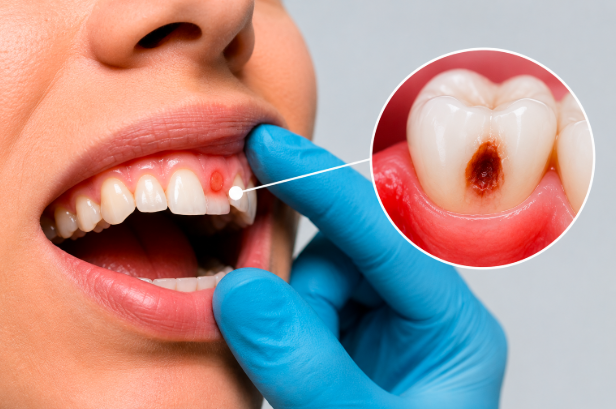
A tooth lesion refers to any area of damage, abnormal change, or structural breakdown that occurs on or within a tooth. It can affect the outer enamel, the inner dentin, or even the pulp and root — and it ranges from a barely visible white spot to a deep-seated infection causing serious pain.
Many people confuse a tooth lesion with a simple cavity, but in reality, it is a much broader term that covers several different types of dental conditions. In this article, we will discuss the most common types of tooth lesions and the treatment options available to manage and heal them effectively.
What Is a Tooth Lesion?
A tooth lesion refers to any localized area of damage, decay, or structural abnormality that occurs on or within a tooth.
Unlike a simple stain or surface discoloration, a tooth lesion involves actual changes to the tooth’s biological tissue — whether it is enamel erosion, bacterial invasion into dentin, or infection spreading toward the root tip.
Tooth lesions vary widely in size, cause, severity, and location. Some are visible to the naked eye, while others remain hidden beneath the surface and are only detectable through dental X-rays or specialized diagnostic tools.
Types of Tooth Lesions
Tooth lesions are not a single condition — they represent a broad category of dental problems, each with its own cause, location, and progression pattern. The most common types are described below.
Carious Lesions (Tooth Decay / Cavities)
A carious lesion is the clinical term for tooth decay caused by bacterial acid erosion. When oral bacteria feed on sugars and produce acids, those acids gradually dissolve the mineral content of the enamel. Over time, a carious lesion progresses from a small white spot on the surface into a visible hole or cavity.
Non-Carious Cervical Lesions (NCCLs)
Non-carious cervical lesions develop at the neck of the tooth — the area where the crown meets the root — without involving bacterial decay. These lesions occur due to three mechanical and chemical processes: abrasion from aggressive brushing, erosion from acidic foods and drinks, and abfraction from stress forces during biting and grinding.
White Spot Lesions
A white spot lesion is an early-stage tooth lesion that appears as a chalky white area on the enamel surface. It represents subsurface demineralization — a condition where minerals have leached out of the enamel but the surface has not yet broken down.
Resorptive Lesions
A resorptive tooth lesion occurs when the body’s own cells begin to break down tooth structure from the inside out or outside in. Internal resorption starts within the pulp canal, while external resorption begins at the root surface. Both forms are often triggered by trauma, chronic inflammation, or orthodontic pressure.
What Causes Tooth Lesions?
Tooth lesions develop through a combination of biological, behavioral, and environmental factors. The most common causes include:
- Bacterial plaque buildup that produces enamel-dissolving acids
- Frequent consumption of acidic or sugary foods and beverages
- Teeth grinding (bruxism) that wears down enamel and creates stress fractures
- Aggressive brushing with a hard-bristled toothbrush
- Chronic dry mouth (xerostomia) that reduces saliva’s protective effect
- Acid reflux (GERD), which exposes teeth to stomach acids
- Physical trauma or dental injuries
- Systemic conditions like diabetes and osteoporosis that weaken oral tissues
- Certain medications that reduce saliva flow or alter enamel development
Understanding the root cause of a tooth lesion is essential because treatment must address both the damage and the underlying trigger to prevent recurrence.
Signs and Symptoms of Tooth Lesions
Tooth lesion symptoms vary based on type and stage. Some lesions produce clear warning signs early on, while others remain completely silent until significant damage has occurred.
Visible Changes on the Tooth Surface
One of the earliest and most reliable signs of a tooth lesion is a change in the tooth’s appearance. This may include white, brown, or black spots on the enamel, visible pitting or holes in the tooth surface, and a chalky or rough texture when running the tongue across the tooth.
Sensitivity and Pain
Tooth sensitivity is one of the most common symptoms associated with a tooth lesion. Patients often experience sharp, brief pain when consuming hot, cold, or sweet foods and beverages. As the lesion deepens into the dentin or pulp, pain becomes more intense, spontaneous, or throbbing — particularly at night.
Gum-Related and Silent Symptoms
Swelling, redness, or a small pimple-like bump on the gum near a tooth can indicate a periapical lesion or dental abscess developing at the root. Some tooth lesions, however, produce no symptoms at all — especially resorptive and periapical lesions in early stages. This is why routine dental X-rays are critical even when no pain or visible changes are present.
How Are Tooth Lesions Diagnosed?
Accurate diagnosis of a tooth lesion requires more than a visual examination. Dentists use a combination of clinical and imaging tools to identify the type, location, and severity of the lesion. Common diagnostic methods include:
| Diagnostic Method | Purpose |
| Visual & tactile examination | Detect surface lesions, discoloration, rough texture |
| Bitewing X-rays | Identify interproximal and early carious lesions |
| Periapical X-rays | Evaluate root and periapical area |
| CBCT scan | 3D imaging for complex resorptive or periapical lesions |
| DIAGNOdent laser device | Detect early subsurface lesions not visible on X-ray |
| Transillumination | Reveal cracks and hidden decay using light |
| Sensitivity/pulp vitality test | Assess pulp health and nerve response |
Early diagnosis through these methods allows dentists to choose minimally invasive treatments and preserve as much natural tooth structure as possible.
Tooth Lesion Stages and Progression
| Stage | Description | Treatment Required |
| Stage 1 | White spot / subsurface demineralization | Fluoride remineralization |
| Stage 2 | Enamel surface breakdown begins | Monitoring or small restoration |
| Stage 3 | Lesion reaches dentin layer | Dental filling |
| Stage 4 | Pulp becomes infected or inflamed | Root canal treatment |
| Stage 5 | Periapical spread / abscess / bone loss | Surgery or extraction |
Treatment Options for Tooth Lesions
The right treatment for a tooth lesion depends entirely on its type, depth, and how far it has progressed. Early-stage lesions respond well to conservative approaches, while advanced cases require more involved interventions.
Remineralization Therapy
For white spot lesions and very early carious lesions that have not yet broken through the enamel surface, remineralization therapy is the preferred first-line approach. This involves the application of fluoride varnishes, gels, or prescription-strength fluoride toothpaste to restore lost minerals back into the enamel.
Products containing casein phosphopeptide-amorphous calcium phosphate (CPP-ACP), such as MI Paste, have also shown strong results. Alongside professional treatment, dietary modifications — reducing acid and sugar intake — and improved oral hygiene habits are essential for reversing these lesions.
Dental Fillings and Crowns
Once a tooth lesion has progressed into the dentin, a dental filling is required to restore the tooth’s structure and prevent further decay. Composite resin fillings are the most widely used option today due to their natural appearance and strong bonding capability.
In cases where a large portion of the tooth has been damaged, a dental crown may be placed to cover and protect the remaining structure. Crowns are made from porcelain, zirconia, or metal alloys depending on the location of the tooth and the patient’s functional needs.
Tooth Lesions in Children vs. Adults
Tooth lesions affect both age groups but present differently. In children, early childhood caries — often called baby bottle tooth decay — is one of the most prevalent forms of tooth lesion, caused by prolonged exposure to sugary liquids. Developmental lesions such as enamel hypoplasia can also affect permanent teeth as they form.
In adults over 40, root surface lesions become more common as gum recession exposes the cementum, which is far less resistant to acid than enamel. Pregnancy-related hormonal changes can also increase susceptibility to various lesions due to shifts in saliva composition and increased acid exposure from morning sickness.
Can Tooth Lesions Be Reversed or Prevented?
Early-stage tooth lesions — particularly white spot lesions — can be fully reversed through remineralization if caught before enamel breakdown occurs. However, once a lesion has progressed past the enamel into dentin, reversal is no longer possible and restorative treatment is required. Prevention remains the most powerful tool against tooth lesions.
Brushing twice daily with fluoride toothpaste, flossing regularly, limiting acidic and sugary foods, staying well-hydrated to maintain saliva flow, and attending routine dental checkups every six months are all highly effective strategies. Dental sealants applied to the chewing surfaces of back teeth can also provide strong protection for high-risk patients, particularly children.
When to See a Dentist?
Any of the following signs should prompt a prompt dental visit: persistent tooth sensitivity lasting more than two days, a visible spot, hole, or color change on the tooth, swelling in the gum or jaw area, pain when biting or chewing, a tooth that feels loose or cracked, or any unexplained bad taste or odor from the mouth.
Even without symptoms, routine checkups every six months are essential because many tooth lesions — especially resorptive and periapical types — remain completely silent until they have caused significant damage.
FAQs
What is the difference between a tooth lesion and a cavity?
A cavity is just one type of tooth lesion caused by bacterial decay. A tooth lesion is a broader term covering many conditions including white spot lesions, periapical lesions, and resorptive lesions.
Can a tooth lesion spread to other teeth?
Bacterial tooth lesions can indirectly affect neighboring teeth through spreading plaque and acid exposure, making oral hygiene essential for all surrounding teeth.
Is a tooth lesion painful?
Not always. Early-stage lesions are often completely painless. Pain typically appears when the lesion reaches the dentin or pulp layer.
How quickly can a tooth lesion worsen?
Without treatment, a lesion can progress from enamel to pulp within months to a few years depending on diet and hygiene habits.
Are tooth lesions permanent?
Early white spot lesions are reversible. However, lesions that have broken through enamel require permanent restorative treatment.
Can children get periapical tooth lesions?
Yes. Children with untreated deep cavities in baby or permanent teeth can develop periapical lesions just like adults.
Conclusion
A tooth lesion is not something to ignore or delay treating. Whether it is an early white spot lesion or an advanced periapical infection, every stage of a tooth lesion carries consequences that grow more serious over time.
The good news is that with routine dental checkups, proper oral hygiene, and timely professional care, most tooth lesions are highly manageable. Act early, stay consistent with prevention, and protect your smile before damage becomes irreversible.
Related Posts
How to get rid of crunching sound in neck?
How to Get Rid of Numbness After Dentist: Causes, Remedies, and Recovery Tips
MyChart First Health: Complete Guide to Registration, Login, Features, Appointments, and Billing
How to Treat a Sprained Wrist Fast: Complete Informative Guide
What Causes Lower Back Pain in Females? Complete Guide with Treatment Tips