


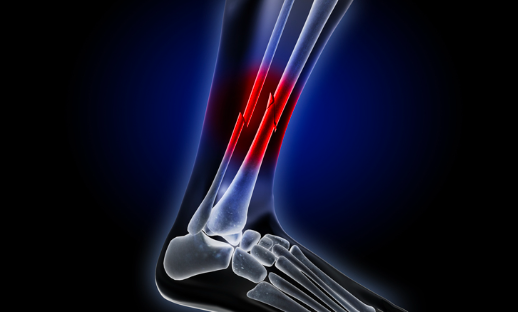
A fracture and a broken bone are actually the same thing — both terms describe a crack or complete break in the continuity of a bone. Whether your doctor says “fracture” or “broken bone,” they mean the identical injury, just using different terminology.
In this guide, we’ll walk you through the Types of Fractures and What to Do Immediately After a Fracture to help you understand and respond to this common yet serious injury.
Fracture vs. Broken Bone vs. Crack: What’s the Difference?
Many people assume these three terms describe different levels of injury — but medically, they all mean the same thing. A fracture, a broken bone, and a crack all refer to any disruption in the normal structure of a bone, and doctors use these terms interchangeably.
The only real difference lies in severity and type — a hairline crack is a minor incomplete break, while a broken bone often implies a complete snap — but in a medical report, both are simply called fractures.
Types of Fractures
Fractures come in many forms depending on the force, angle, and nature of the injury. Here are the most common types:
- Hairline / Stress Fracture: A tiny crack in the bone that is often so small it gets missed on early X-rays. It usually develops from repetitive stress or overuse rather than a single trauma, making it common among runners, athletes, and military recruits.
- Stable (Non-Displaced) Fracture: In this type, the broken bone pieces remain properly aligned even after the break. Because the bones stay in place, this fracture typically heals well with simple immobilization using a cast or splint — no surgery required.
- Displaced Fracture: Here, the broken bone pieces shift out of their normal alignment. Because the ends no longer line up correctly, this type often requires manual realignment or surgical intervention to ensure the bone heals properly.
- Comminuted Fracture: The bone shatters into three or more fragments. This is usually caused by high-impact trauma such as a car accident or a severe fall, and often requires surgery to reassemble and stabilize the pieces.
- Open (Compound) Fracture: The broken bone pierces through the skin, making it a medical emergency. The exposure of bone to the outside environment significantly raises the risk of serious infection and requires immediate surgical treatment.
Fracture vs. Sprain vs. Strain: How to Tell Them Apart?
These three injuries are frequently confused because they all involve pain, swelling, and limited movement — but they affect completely different structures in the body.
A fracture is a break in the bone itself. A sprain is an injury to a ligament — the tough tissue that connects bone to bone — and usually happens when a joint is twisted or forced beyond its normal range. A strain, on the other hand, involves a muscle or tendon and is typically caused by overstretching or overexerting a muscle.
Here’s a quick way to tell them apart:
| Fracture | Sprain | Strain | |
| What’s Injured | Bone | Ligament | Muscle or Tendon |
| Common Cause | Impact or trauma | Twisted joint | Overstretched muscle |
| Key Symptom | Tenderness directly on bone | Joint instability | Muscle weakness or spasm |
| Swelling | Yes | Yes | Mild to moderate |
| Bruising | Common | Common | Sometimes |
| Diagnosis | X-ray needed | Physical exam | Physical exam |
The most reliable way to confirm a fracture is through an X-ray or MRI, as fractures can sometimes feel similar to a bad sprain. When in doubt, always seek medical attention — treating a fracture like a sprain can lead to serious complications and improper healing.
Symptoms of a Broken Bone (Fracture)
Recognizing the symptoms of a fracture early can make a significant difference in how quickly and effectively it heals. While symptoms can vary depending on the location and severity of the break, there are several common warning signs to watch out for.
Sudden and Intense Pain
Pain is the most immediate sign of a fracture, appearing sharply at the moment of injury. It typically worsens with movement or when any pressure is applied to the affected area.
Swelling and Bruising
The injured area swells up quickly as the body responds to the damage, often accompanied by visible bruising or discoloration. This occurs due to internal bleeding and inflammation around the broken bone.
Tenderness Directly Over the Bone
Pressing lightly on the injured area causes significant pain, especially when the pressure is applied directly over the bone. This point tenderness is one of the clearest signs that distinguishes a fracture from a sprain or strain.
Inability to Move or Bear Weight
A fractured bone makes it difficult or completely impossible to move the affected limb or put weight on it. Even the slightest attempt to use the injured area often triggers sharp, intense pain.
Visible Deformity or Abnormal Shape
In more severe fractures, the injured limb may appear visibly bent, twisted, or out of its normal position. This is a strong indicator of a displaced fracture where the bone pieces have shifted out of alignment.
What to Do Immediately After a Fracture?
When a fracture occurs, taking the right steps in the first few minutes can prevent further damage and speed up recovery — here is what you should do immediately, as discussed below.
- Stabilize the Injured Area Immediately: The very first thing you should do after a fracture is stop all movement and stabilize the injured area as quickly as possible. Moving a broken bone can worsen the injury, damage surrounding nerves, blood vessels, and tissues, and increase pain significantly.
- Do Not Try to Straighten or Reposition the Bone: No matter how misaligned the bone looks, never attempt to push it back into place yourself. Doing so can cause severe additional damage and should only be performed by a trained medical professional.
- Apply a Splint if Available: If medical help is not immediately available, gently support the injured area with a splint to prevent unnecessary movement. Use any firm material — a rolled newspaper, a stick, or a piece of cardboard — and secure it loosely with a bandage or cloth without cutting off circulation.
- Control Any Bleeding: If there is an open wound around the fracture, apply gentle pressure using a clean cloth or bandage to slow the bleeding. Do not remove the cloth if it soaks through — simply add more on top and keep applying pressure.
- Apply Ice to Reduce Swelling: Wrap ice or a cold pack in a cloth and apply it gently to the injured area to reduce swelling and numb the pain. Never place ice directly on the skin as it can cause frostbite.
- Keep the Person Calm and Still: Shock is common after a fracture, so keep the injured person as calm and still as possible while waiting for medical help. Lay them down if needed, keep them warm, and reassure them that help is on the way.
- Seek Emergency Medical Help Immediately:Call emergency services or get to the nearest hospital as quickly as possible — especially in the case of an open fracture, severe deformity, or loss of sensation. A fracture is a serious injury that always requires professional medical evaluation and treatment.
How Fractures Are Diagnosed?
When a fracture is suspected, a doctor begins by physically examining the injured area, checking for swelling, tenderness, deformity, and range of motion while also asking about how the injury occurred.
The most common diagnostic tool is an X-ray, which can clearly reveal most fractures and show the location, type, and severity of the break.
In cases where the fracture is too small or complex to appear on an X-ray — such as hairline or stress fractures — doctors may order an MRI or CT scan for a more detailed and accurate diagnosis.
Fracture Treatment Options
The right treatment for a fracture depends on its type, location, and severity — here is a breakdown of the most common treatment options discussed below.
Casting and Splinting
The most common treatment for stable fractures is immobilizing the bone using a cast or splint to hold it in place while it heals naturally. This prevents any movement that could misalign the bone during the recovery process.
Closed Reduction (Manual Realignment)
For displaced fractures where the bones have shifted out of alignment, a doctor manually repositions the bone back into place without making any surgical incision. This procedure is usually performed under local or general anesthesia to minimize pain.
Surgery (Open Reduction and Internal Fixation)
In severe or complex fractures, surgery may be required to realign the bone and secure it using metal plates, screws, rods, or pins. This method is commonly used for comminuted, open, or displaced fractures that cannot be managed with casting alone.
External Fixation
In cases where internal surgery is not immediately possible, an external frame is attached to the bone through pins inserted through the skin to hold the fragments in place. This is often used as a temporary stabilization method before definitive surgery.
Physical Therapy and Rehabilitation
Once the bone begins to heal, physical therapy plays a crucial role in restoring strength, flexibility, and full range of motion to the affected area. A structured rehabilitation program ensures the patient regains normal function as quickly and safely as possible.
How Long Does a Broken Bone Take to Heal?
The healing time for a broken bone varies depending on the type, location, and severity of the fracture, as well as the age and overall health of the patient.
Generally, minor fractures such as hairline or stable fractures can heal within 4 to 6 weeks, while more severe breaks like comminuted or displaced fractures may take anywhere from 3 to 6 months to fully recover.
Factors such as nutrition, blood supply to the bone, underlying conditions like osteoporosis, and following the doctor’s treatment plan all play a significant role in how quickly and effectively the bone heals.
Fractures in Children vs. Adults vs. Older Adults
Fractures affect people differently depending on their age, bone density, and overall health — here is how fractures vary across different age groups as discussed below.
Children
Children’s bones are softer and more flexible than adult bones, which means they are more prone to unique fracture types like greenstick and buckle fractures where the bone bends rather than fully snapping. The good news is that children heal significantly faster than adults due to their highly active bone growth and stronger blood supply to the bone.
Adults
In healthy adults, fractures are most commonly caused by high-impact trauma such as sports injuries, accidents, or falls. Healing takes longer than in children but is generally straightforward, provided the fracture is properly treated and the person maintains a healthy diet and active lifestyle during recovery.
Older Adults
Older adults are at the highest risk of fractures due to osteoporosis, a condition that weakens bones and makes them fragile and prone to breaking even from minor falls or everyday activities. Fractures in older adults — particularly hip, spine, and wrist fractures — are more serious, take significantly longer to heal, and carry a higher risk of complications such as infections, blood clots, and long-term mobility issues.
Frequently Asked Questions
Can a Fracture Heal on Its Own Without Medical Treatment?
Minor hairline fractures may heal with rest, but without proper medical evaluation there is a risk of the bone healing incorrectly. Always consult a doctor even for minor fractures to ensure proper alignment and full recovery.
Is It Possible to Walk on a Fractured Bone Without Knowing It?
Yes — especially with hairline or stress fractures where pain is mild and develops gradually. Many people mistake these for a sprain and continue walking on them, which can significantly worsen the injury.
What Foods Should You Avoid During Fracture Recovery?
Avoid alcohol, caffeine, high-sodium foods, and smoking as they interfere with calcium absorption and slow bone healing. Focus instead on a calcium and vitamin D rich diet to support faster recovery.
Can a Fracture Cause Long-Term Complications?
Yes, an improperly treated fracture can lead to chronic pain, joint stiffness, malunion, and in severe cases arthritis or bone infection. Early and proper treatment is the best way to avoid long-term issues.
How Do You Sleep Comfortably With a Fracture?
Elevate the injured limb above heart level using pillows to reduce swelling and discomfort during sleep. Sleeping on your back and avoiding pressure on the fractured area is the safest position.
When Can You Return to Sports After a Fracture?
Most doctors recommend waiting until the bone is fully healed and confirmed by an X-ray before returning to any physical activity. A gradual return through physical therapy is strongly advised.
Can the Same Bone Fracture Again After Healing?
Yes, a previously fractured bone can break again, especially if underlying causes like osteoporosis are not addressed. A properly healed bone combined with a bone-healthy lifestyle significantly reduces the risk of re-fracture.
Conclusion
Fractures are more common than most people realize, and recognizing the symptoms early and taking the right steps immediately after an injury can make a significant difference in recovery outcomes.
Whether it is a minor hairline crack or a severe compound fracture, prompt medical attention and proper treatment are always the most important steps you can take.
By following your doctor’s guidance, maintaining a bone-healthy diet, and committing to rehabilitation, most fractures heal fully and effectively with time.
Related Aricles
Can You Kneel on a Knee Replacement? Recovery, Safety, Pain, and Tips
Does Impact Health Cover IVF? Complete Guide to Fertility Treatment Coverage
Detego Health Provider Portal: Complete Guide for Healthcare Providers
Clear Liquid Diet: Complete Guide for Faster Recovery and Easy Digestion