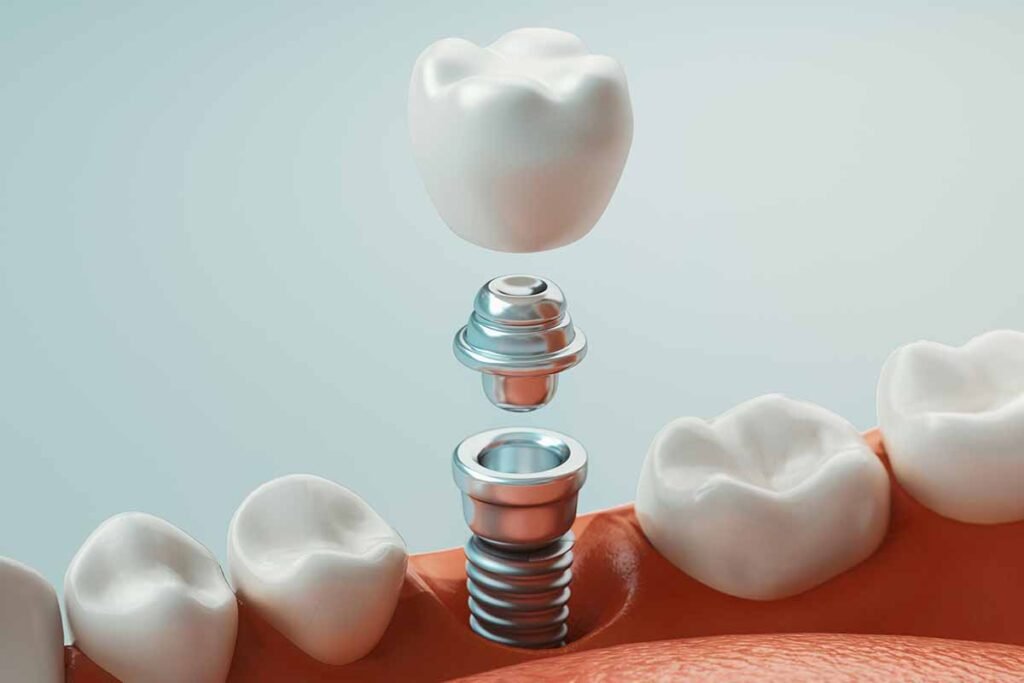
If you are considering dental implants — or already have one — the first question on your mind is likely: how long will it actually last? The good news is that dental implants are the longest-lasting tooth replacement option available today, with clinical studies showing a 10-year survival rate of 90–95% (Pjetursson et al., Journal of Clinical Periodontology).
Unlike bridges or dentures, implants integrate directly with your jawbone through a biological process called osseointegration, making them structurally part of your body.
In many cases, the implant post itself can last a lifetime — with the crown typically needing replacement after 10–15 years due to normal wear. This article breaks down real-world lifespan data, the factors that affect durability, and exactly what you need to do to protect your investment.
What Are Dental Implants?
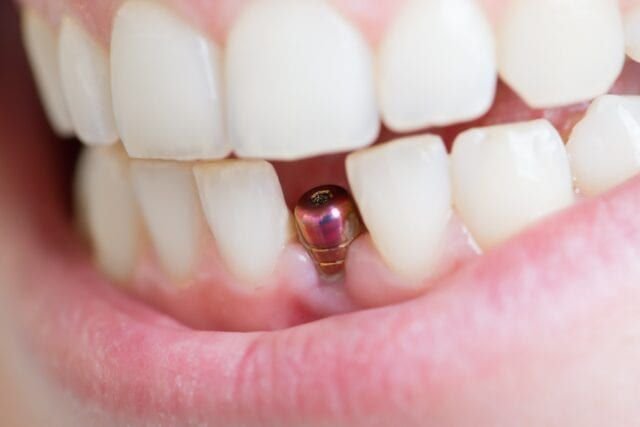
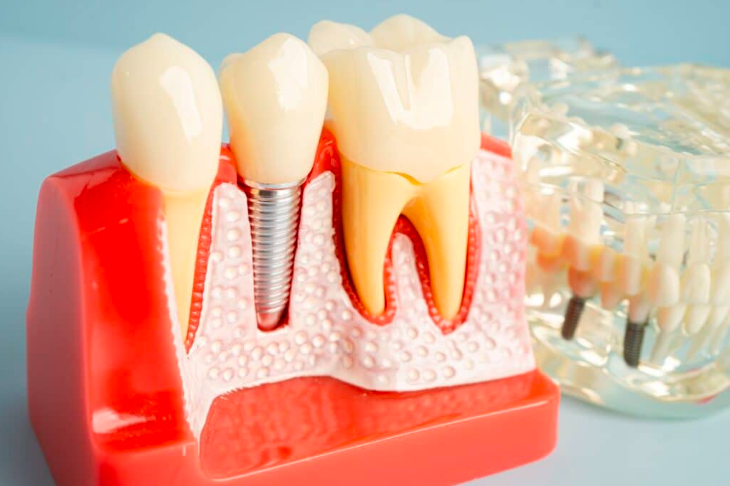
A dental implant is a small titanium screw — typically 3.5 to 6mm in diameter — that is surgically placed into the jawbone to act as an artificial tooth root. Titanium is used specifically because it is biocompatible, meaning the body does not reject it, and it undergoes osseointegration: a process where living bone cells grow around and fuse with the implant surface over 3–6 months.
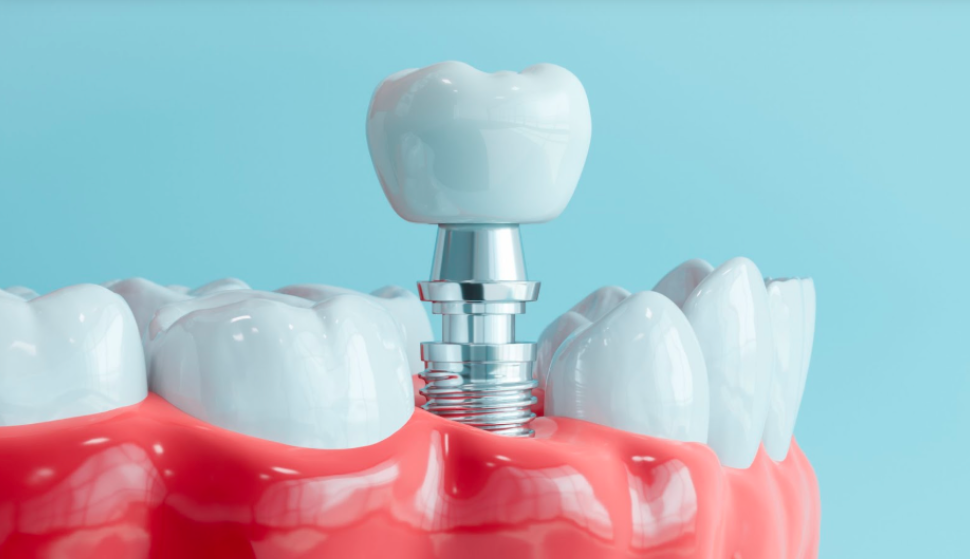
Once osseointegration is complete, an abutment is attached to the implant, and a custom-made crown is placed on top — completing the three-part system: post, abutment, and crown. Each component has a different lifespan, which is an important distinction most patients overlook.
Average Lifespan of Dental Implants: What the Research Actually Shows
According to a 2022 systematic review published in the International Journal of Oral & Maxillofacial Implants, the cumulative survival rate of dental implants at 10 years is approximately 94.6%. Long-term follow-up studies tracking implants over 20+ years report survival rates of 87–92%, with many implants still functional after 30 years.
These figures are significantly higher than dental bridges (average lifespan: 10–15 years) or complete dentures (5–8 years). Several key aspects below help explain their durability and long-term success.
Realistic Lifespan Range
The implant post (the titanium screw itself) has a realistic lifespan of 20–30+ years and can last a lifetime in healthy patients. The crown (the visible tooth) typically requires replacement every 10–15 years due to wear from chewing forces — similar to how natural teeth wear over time.
The abutment that connects them usually lasts 10–20 years depending on material (titanium vs zirconia) and bite forces.
Lifetime Possibility
Lifetime implant survival is achievable — but it depends on specific conditions being met. Research suggests patients most likely to achieve 30+ year implant survival share these characteristics: non-smokers, well-controlled or absent systemic conditions (especially diabetes), adequate bone density at placement, and consistent 6-month professional maintenance visits. If you meet all four criteria, clinical evidence supports the possibility of a lifetime implant.
Success Rate of Dental Implants
The 10-year success rate for dental implants is 90–95% according to multiple meta-analyses, with posterior (back) implants showing slightly lower rates (87–92%) than anterior (front) implants (93–97%) due to higher bite forces.
Success rates are also affected by implant brand and surface treatment — rough-surfaced implants (sandblasted, acid-etched) show approximately 2–3% better osseointegration rates than machined-surface implants. However, success also depends on factors such as bone health, gum condition, and following proper aftercare guidelines.
Implant Post vs Crown Lifespan
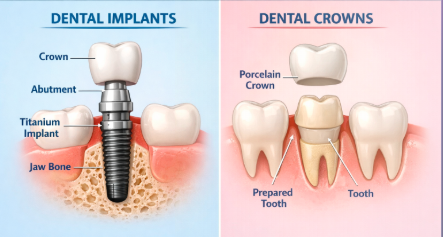
Each component of a dental implant system ages at a different rate. Understanding this helps you plan maintenance costs and set realistic expectations:
| Component | Lifespan | Replacement Trigger | Avg Cost to Replace |
| Implant Post (Titanium) | 20–30+ years / Lifetime | Peri-implantitis, bone loss, fracture | $1,500–$3,000 |
| Abutment | 10–20 years | Screw loosening, wear, fracture | $300–$600 |
| Crown (Porcelain/Zirconia) | 10–15 years | Chipping, wear, color mismatch | $1,000–$2,500 |
| Full System (Average) | 15–25 years per cycle | Component-dependent | $2,800–$6,100 lifetime |
Can Dental Implants Last a Lifetime? 5 Conditions That Matter
The short answer is yes — but the longer answer requires understanding what ‘lifetime’ means in clinical terms. Research from the University of Bern’s Department of Oral Surgery tracked 511 implants over 20 years and found that 88.9% remained functional with proper maintenance. Here are the five conditions that most reliably predict lifetime implant success:
1. Bone density at placement
Sufficient bone volume (ideally >5mm width and >10mm height) is required for stable osseointegration. Patients with borderline density may need bone grafting first.
2. Absence or control of systemic disease
Uncontrolled diabetes, autoimmune disorders, or long-term bisphosphonate use significantly increase implant failure risk. Well-controlled conditions do not necessarily disqualify a patient.
3. Non-smoking status
Smokers have 2–3x higher implant failure rates than non-smokers, according to a meta-analysis in Clinical Oral Implants Research (2020). The vasoconstrictive effect of nicotine impairs osseointegration.
4. Consistent professional maintenance
Six-monthly hygienist visits for professional cleaning around the implant site prevent peri-implantitis — the leading cause of late implant failure.
5. Occlusal (bite) management
Patients with bruxism (teeth grinding) should use a night guard. Excessive force on implants accelerates crown wear and can cause micro-fractures in the implant-bone interface.
What Affects the Lifespan of Dental Implants?
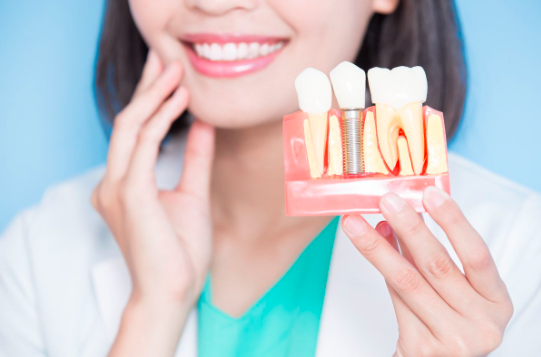
The lifespan of dental implants mainly depends on a few key factors like oral hygiene, smoking, bone density, and the dentist’s skill. These factors directly influence how long an implant stays strong and stable, as explained below.
Oral Hygiene and Lifestyle Habits
Peri-implantitis — bacterial infection of the tissue surrounding an implant — is responsible for approximately 43% of late implant failures (Derks & Tomasi, Journal of Clinical Periodontology, 2015).
Unlike natural teeth, implants lack a periodontal ligament, making the surrounding bone more vulnerable to bacterial invasion once gum tissues recede. Prevention requires interdental brushes (not just floss) around implant crowns, water flossers, and antimicrobial rinses as recommended by your implantologist.
Bone Quality, Location, and Surgeon Expertise
Implant location in the mouth significantly affects longevity. Posterior implants (molars) experience bite forces of 500–800 Newtons — compared to 200–300N for anterior implants — making them more prone to mechanical stress.
Surgeons with CBCT (Cone Beam CT) scanning capability can accurately assess bone density and volume before placement, reducing failure risk by 15–20% compared to placement without 3D imaging. Ask your surgeon whether they use CBCT planning as standard practice.
How to Make Dental Implants Last Longer?
Following a structured maintenance protocol is the single most impactful thing you can do to extend implant lifespan. Here is the evidence-based routine recommended by the European Association for Osseointegration:
Daily (Morning & Night)
Brush with a soft-bristle or implant-specific brush at a 45° angle. Use non-abrasive fluoride toothpaste — avoid whitening toothpastes with high RDA values, which scratch implant crowns.
Daily (After Meals)
Use an interdental brush (Curaprox CPS 06–09 range) to clean beneath the crown margin. Water flossers (Waterpik) are particularly effective around implant abutments.
Monthly
Check the crown for any wobble, chipping, or sensitivity. If you notice any movement, contact your implantologist within 48 hours — a loose abutment screw can usually be retightened if caught early.
Every 6 Months
Professional hygiene appointment specifically including implant maintenance: ultrasonic cleaning with titanium-safe tips, probing of peri-implant tissues, and radiographic monitoring of bone levels.
Annually
Bite assessment and crown evaluation. If you grind your teeth, night guard inspection and possible replacement.
Signs Your Dental Implant May Be Failing
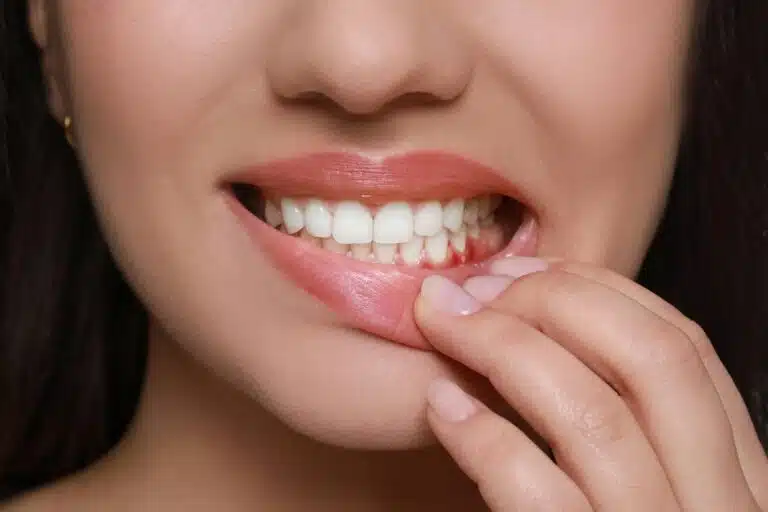
Implant failure is classified as either early (within 3–6 months of placement, during osseointegration) or late (after successful integration, typically years later). Recognizing which type you may be experiencing helps your dentist act faster. Watch for these warning signs:
Persistent pain or discomfort (3+ weeks post-surgery)
Normal post-operative pain resolves within 1–2 weeks. Pain persisting beyond 3 weeks may indicate infection, nerve proximity, or failed osseointegration. Do not take painkillers and wait — contact your surgeon.
Swelling or inflammation that returns after initial healing
Post-operative swelling peaks at 48–72 hours then resolves. Swelling that returns weeks or months after surgery indicates peri-implantitis or an abscess — requires immediate treatment.
Bad breath or unpleasant metallic taste
Persistent bad taste, especially metallic or foul, suggests bacterial colonization of the implant-tissue interface. This is an early-stage peri-implantitis indicator and is reversible with prompt treatment.
Visible gum recession around the implant
If the metal collar or abutment becomes visible above the gumline, bone loss has occurred. Depending on severity, treatment options include bone grafting, connective tissue graft, or implant removal.
Mobility of the implant crown or the implant itself
Crown movement alone usually means a loose abutment screw — a simple fix. Actual movement of the implant post indicates failed osseointegration or severe peri-implantitis and requires urgent evaluation.
If any of these symptoms appear, it’s important to consult a dentist promptly to avoid further damage.
Are Dental Implants Worth It Long-Term? A Cost-Benefit Analysis
Over a 20-year period, the total cost of ownership for dental implants compares favorably to alternatives when replacement and maintenance costs are factored in:
| Option | Initial Cost | 20-Yr Total Cost | 20-Yr Function |
| Dental Implant | $3,000–$5,000 | $4,500–$7,000* | Excellent (bone preserved) |
| Dental Bridge | $2,500–$4,500 | $7,000–$12,000** | Good (adjacent teeth affected) |
| Full Denture | $1,500–$3,000 | $9,000–$15,000*** | Moderate (bone loss continues) |
Conclusion
The clinical evidence is clear: dental implants are the gold standard for tooth replacement, with 20–30 year survival rates exceeding any other option available.
The implant post itself can last a lifetime in the right patient — but lifetime success requires more than basic oral hygiene. It requires understanding your specific risk factors, following a structured maintenance protocol, and attending regular professional monitoring.
If you are considering implants, ask your surgeon three questions before committing: (1) Will you use CBCT imaging for placement planning? (2) What is your personal 5-year failure rate? (3) Does your practice offer an implant maintenance program? The answers will tell you whether you are receiving a standard of care likely to achieve long-term success.
Frequently Asked Questions
Do dental implants need to be replaced?
The titanium implant post itself rarely needs replacement and can last a lifetime with proper maintenance. The porcelain or zirconia crown placed on top typically needs replacement every 10–15 years due to normal wear and occlusal forces.
The abutment screw connecting them may need retightening or replacement every 10–20 years. Budget for one crown replacement during the lifetime of a single implant.
Are dental implants better than dentures?
For most patients, yes — but it depends on the clinical situation. Implants preserve jawbone (dentures accelerate bone resorption by up to 25% per year), provide full bite force, and require no removal or adhesive.
However, full-mouth implant-supported dentures (All-on-4 or All-on-6) may be the best option when multiple or all teeth need replacement, combining implant stability with cost efficiency. Single-tooth implants outperform bridges by preserving adjacent healthy teeth.
Is it painful to get dental implants?
The surgical procedure itself is performed under local anesthesia and is generally not painful during the operation. Post-operative discomfort (swelling, soreness, minor bleeding) typically peaks at 48–72 hours and resolves within 7–10 days for most patients.
Ibuprofen and prescribed antibiotics manage this effectively. Patients who report high post-operative pain beyond 2 weeks should contact their surgeon — this is not normal and may indicate a complication.
Can smokers get dental implants?
Yes, smokers can receive dental implants, but they should understand the quantified risk: smokers have a 2.5x higher implant failure rate than non-smokers, and a significantly higher rate of peri-implantitis.
Most implantologists recommend smoking cessation for at least 2 weeks before surgery and 8 weeks after (during the critical osseointegration window). E-cigarettes and vaping carry similar vasoconstrictive risks and are not a safe substitute during this period.
What happens if a dental implant fails?
If an implant fails, the first step is identifying the cause: early failure (during osseointegration) is often due to infection or inadequate bone, while late failure is usually peri-implantitis or mechanical stress.
The failed implant is surgically removed under local anesthesia. After healing (3–6 months), the site is re-evaluated: if sufficient bone remains, a new implant can be placed, often with a higher success rate the second time due to improved bone quality from the first attempt. If bone loss is significant, a bone graft is performed first.
What foods should I avoid after getting a dental implant?
During the first 2 weeks after implant surgery, avoid hard, crunchy, or chewy foods (nuts, raw carrots, crusty bread, tough meat) that apply pressure to the surgical site. Avoid hot liquids for 24–48 hours, as heat increases swelling.
Also avoid alcohol and smoking, which impair healing. Soft foods — eggs, yogurt, mashed potatoes, fish, soft-cooked vegetables — are ideal for the first two weeks.
After full osseointegration (3–6 months), there are no permanent dietary restrictions, though biting hard objects directly with the implant crown (ice, hard candy, pens) should be avoided to prevent crown fracture.
Related Articles
What Causes Lower Back Pain in Females? Complete Guide with Treatment Tips
Do You Gain Weight During Your Period? Causes, Truth & Simple Tips to Feel Better
Wisdom Tooth Pain? Get Instant Relief with These Proven Remedies Today
Clear Liquid Diet: Complete Guide for Faster Recovery and Easy Digestion