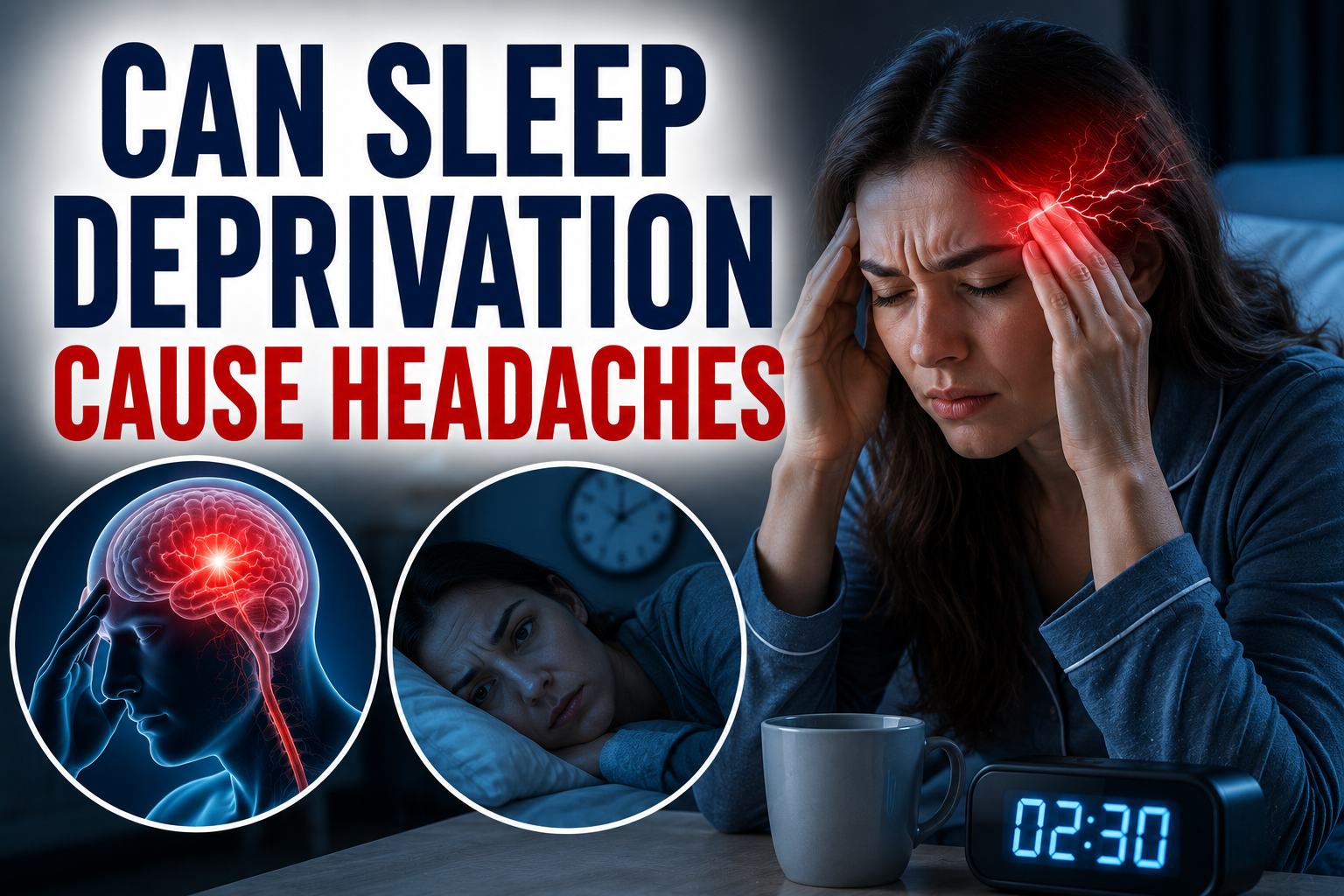
Can sleep deprivation cause headaches? The answer is yes. Sleep and brain health are closely connected, and not getting enough quality sleep can trigger different types of headaches. In some people, lack of sleep may even make existing migraine attacks happen more often or become more severe.
In this guide, you’ll learn how sleep deprivation causes headaches, the different types of headaches linked to poor sleep, their symptoms, and what you can do to find relief and prevent them in the future.
Can Sleep Deprivation Cause Headaches?
The short answer is yes. Sleep deprivation is one of the most common lifestyle factors that can trigger headaches. When your body doesn’t get enough rest, your brain cannot function at its best, making you more sensitive to pain and increasing the chances of developing a headache.
Research has shown that both short-term sleep loss and long-term sleep deprivation can contribute to headache disorders. Even missing a few hours of sleep for one night may lead to a headache the following morning. People who regularly sleep less than the recommended amount are also more likely to experience frequent headaches and migraines.
Why Does Lack of Sleep Trigger Headaches?
Your body depends on sleep to repair tissues, regulate hormones, and allow the brain to recover from daily activity. When sleep becomes too short or poor in quality, several changes occur inside the body that increase the risk of headaches. The following factors explain why sleep deprivation affects the head and nervous system.
Changes in Brain Activity
The brain remains active while you sleep, performing important tasks such as processing information, repairing nerve cells, and balancing chemicals involved in pain control. Without enough sleep, these normal processes become disrupted.
Increased Pain Sensitivity
Sleep plays an important role in controlling how the body reacts to pain. Poor sleep lowers your pain threshold, meaning your body becomes less able to tolerate discomfort.
People who regularly miss sleep often describe headaches as feeling more intense and lasting longer than usual. This is because the nervous system becomes overactive, allowing pain signals to travel more easily between the brain and the rest of the body.
Hormonal Changes
During healthy sleep, your body carefully balances hormones that control stress, healing, and inflammation. Sleep deprivation disrupts this balance by increasing stress hormones such as cortisol.
Higher cortisol levels may tighten muscles, increase blood pressure, and place extra strain on the nervous system. These changes can contribute to headaches, especially tension headaches.
Stress and Muscle Tension
People who don’t get enough sleep often feel stressed, anxious, or irritable. Stress naturally causes muscles in the neck, shoulders, and scalp to tighten.
This muscle tension frequently develops into tension headaches, which usually produce a dull, aching pain around the forehead or the back of the head. If stress and poor sleep continue together, headaches may become more frequent.
Types of Headaches Caused by Sleep Deprivation
Not every headache caused by poor sleep feels the same. Sleep deprivation can trigger several different headache types depending on your health, stress level, and personal risk factors. Understanding these headaches can help you identify what you’re experiencing and choose the right treatment.
Tension Headaches
Tension headaches are the most common type linked to sleep deprivation. They usually produce a dull, steady pain rather than severe throbbing.
People often describe the sensation as a tight band wrapped around the head. Pain may spread across the forehead, temples, or back of the head. Tight muscles in the neck and shoulders often make the discomfort worse.
Migraine Headaches
For people who already suffer from migraines, lack of sleep is one of the most common triggers. A migraine is much more than a regular headache and often includes additional symptoms.
Migraine symptoms may include:
- Throbbing pain on one side of the head
- Nausea or vomiting
- Sensitivity to light
- Sensitivity to sound
- Blurred vision
- Difficulty concentrating
Even a single night of poor sleep can increase the likelihood of a migraine attack in susceptible individuals.
Morning Headaches
Morning headaches are common after sleeping too little or having poor-quality sleep. Many people wake up with a headache that gradually improves during the day.
Morning headaches may also be related to:
- Sleeping too few hours
- Frequent nighttime awakenings
- Poor sleeping position
- Teeth grinding during sleep
- Sleep disorders such as sleep apnea
If morning headaches happen regularly, it may be worth discussing them with a healthcare provider.
Common Symptoms of Sleep Deprivation Headaches
Headaches caused by poor sleep can vary from person to person. Some people experience only mild discomfort, while others struggle with headaches severe enough to affect work, school, or daily activities.
Besides head pain, sleep deprivation usually causes several additional symptoms that make the overall condition worse.
Common symptoms include:
| Symptom | Description |
| Dull or throbbing head pain | Pain may affect one or both sides of the head. |
| Pressure around the forehead | Common with tension headaches. |
| Neck and shoulder stiffness | Muscle tightness often accompanies poor sleep. |
| Fatigue | Feeling physically and mentally exhausted throughout the day. |
| Difficulty concentrating | Reduced focus, memory, and productivity. |
| Irritability | Mood changes caused by lack of rest. |
| Light sensitivity | More common with migraines. |
| Noise sensitivity | Loud sounds may worsen headache pain. |
Who Is Most at Risk?
Although anyone can develop a headache after not getting enough sleep, some people are more likely to experience this problem than others. Lifestyle, work schedules, stress levels, and certain medical conditions can all increase the risk. Understanding these risk factors can help you take steps to improve your sleep and reduce headaches.
Students
Students often stay awake late to study for exams, complete assignments, or spend time on electronic devices. This irregular sleep schedule can lead to frequent headaches, reduced concentration, and poor academic performance.
Shift Workers
People who work night shifts or rotating schedules frequently struggle to maintain a healthy sleep routine. Sleeping during the day is often less restful because of light, noise, and interruptions.
As a result, shift workers are more likely to experience chronic sleep deprivation, headaches, fatigue, and reduced alertness while working.
Parents of Young Children
New parents often wake up multiple times during the night to care for their babies. Interrupted sleep can continue for weeks or even months, making headaches more common.
Although this stage is temporary for most families, finding opportunities to rest whenever possible can help reduce the effects of sleep deprivation.
People with Insomnia
Insomnia makes it difficult to fall asleep, stay asleep, or return to sleep after waking. Over time, this ongoing sleep loss increases the likelihood of both tension headaches and migraines.
Treating insomnia can often reduce headache frequency while also improving mood, energy levels, and overall health.
How to Relieve a Headache Caused by Lack of Sleep?
Most headaches caused by sleep deprivation improve once your body gets enough rest. However, there are several simple strategies that may help reduce discomfort while your body recovers. The goal is not only to relieve the current headache but also to correct the sleep habits that caused it.
Get Enough Rest
The most effective treatment is allowing your body to recover through quality sleep. If possible, take a short nap during the day or go to bed earlier that night.
Avoid sleeping for excessively long periods, as oversleeping may also trigger headaches in some people. Instead, aim for a consistent sleep schedule that provides enough rest each night.
Eat Balanced Meals
Skipping meals is another common habit after poor sleep. Low blood sugar can increase headache intensity and make you feel even more tired.
Choose balanced meals that include:
- Whole grains
- Fruits and vegetables
- Lean protein
- Healthy fats
- Plenty of water
Avoid relying on sugary snacks for energy because the temporary boost is often followed by another energy crash.
Reduce Screen Time
After a poor night’s sleep, your eyes become more sensitive to bright screens. Spending long hours looking at computers, phones, or tablets may worsen headaches.
Take regular breaks using the 20-20-20 rule. Every 20 minutes, look at something about 20 feet away for at least 20 seconds to reduce eye strain.
Use Pain Relievers Carefully
Over-the-counter pain relievers may help relieve occasional headaches. However, frequent use should be avoided because overuse can sometimes cause rebound headaches.
If you find yourself needing pain medication several times each week, consult a healthcare professional to identify the underlying cause.
How to Prevent Sleep Deprivation Headaches?
Preventing headaches is usually easier than treating them after they begin. Since sleep deprivation is often preventable, developing healthy sleep habits can significantly reduce headache frequency. Small daily changes can make a noticeable difference over time.
Maintain a Consistent Sleep Schedule
Going to bed and waking up at the same time every day helps regulate your body’s internal clock.
Try to keep a similar schedule on weekends as well. Large differences between weekday and weekend sleep patterns can confuse your body’s natural rhythm.
Create a Healthy Sleep Environment
Your bedroom should encourage restful sleep.
Consider these simple improvements:
- Keep the room dark.
- Maintain a comfortable temperature.
- Reduce unnecessary noise.
- Choose a supportive mattress and pillow.
- Remove distractions whenever possible.
A comfortable sleeping environment allows your brain to enter deeper stages of sleep more easily.
Limit Caffeine Before Bed
Caffeine can remain in the body for several hours after consumption. Drinking coffee, tea, energy drinks, or soda late in the day may make it harder to fall asleep.
If you are sensitive to caffeine, avoid it during the afternoon and evening.
Exercise Regularly
Regular physical activity supports better sleep quality and reduces stress.
Walking, cycling, swimming, or other moderate exercise during the day may help you fall asleep faster at night. However, intense exercise immediately before bedtime may keep some people awake.
When Should You See a Doctor?
Most sleep deprivation headaches improve after getting proper rest. However, headaches that become frequent, severe, or unusual should not be ignored. A healthcare provider can determine whether another medical condition is contributing to your symptoms.
You should seek medical advice if headaches continue despite improving your sleep habits or begin interfering with your daily activities.
Seek immediate medical attention if your headache is accompanied by:
- Sudden, extremely severe pain
- Confusion
- Difficulty speaking
- Weakness or numbness
- Vision loss
- High fever
- Seizures
- Head injury
- Persistent vomiting
These symptoms may indicate a more serious medical emergency that requires immediate evaluation.
Frequently Asked Questions (FAQs)
Can sleep deprivation cause headaches every day?
Yes. If you consistently fail to get enough sleep, headaches may occur almost daily. Chronic sleep deprivation keeps your brain under stress and increases pain sensitivity, making frequent headaches more likely.
How many hours of sleep should adults get?
Most healthy adults need between seven and nine hours of quality sleep each night. Individual needs vary slightly, but regularly sleeping less than this amount increases the risk of headaches and many other health problems.
Can one night of poor sleep trigger a migraine?
Yes. For people who are prone to migraines, even one night of insufficient sleep can trigger an attack. Maintaining a regular sleep schedule is one of the best ways to reduce migraine frequency.
Are sleep deprivation headaches dangerous?
Most sleep deprivation headaches are not dangerous and improve with adequate rest. However, frequent headaches or headaches accompanied by serious neurological symptoms should always be evaluated by a healthcare professional.
Does catching up on sleep help?
In many cases, getting enough quality sleep helps reduce or completely relieve headaches caused by sleep deprivation. Returning to a consistent sleep schedule provides better long-term results than occasionally sleeping for very long periods.
Conclusion
Sleep is one of the body’s most important tools for healing and maintaining overall health. When you consistently miss out on quality sleep, your brain becomes more sensitive to pain, making headaches much more likely. Whether the headache is mild or severe, poor sleep should never be overlooked as a possible cause.
If you have been asking yourself, can sleep deprivation cause headaches, the evidence clearly shows that it can. Fortunately, many sleep-related headaches can be prevented by establishing healthy sleep habits, reducing stress, staying hydrated, and giving your body the rest it needs. Making sleep a priority not only helps reduce headaches but also improves your energy, mood, concentration, and long-term health.
Related posts
Do Humidifiers Help with Asthma? What You Need to Know Before Buying One
Why I Still Have Acne at 40? Causes, Treatments, and Prevention Tips
How to get rid of crunching sound in neck?
Is Sleep Apnea Considered a Disability? Symptoms, Benefits & Eligibility
Does Impact Health Cover IVF? Complete Guide to Fertility Treatment Coverage