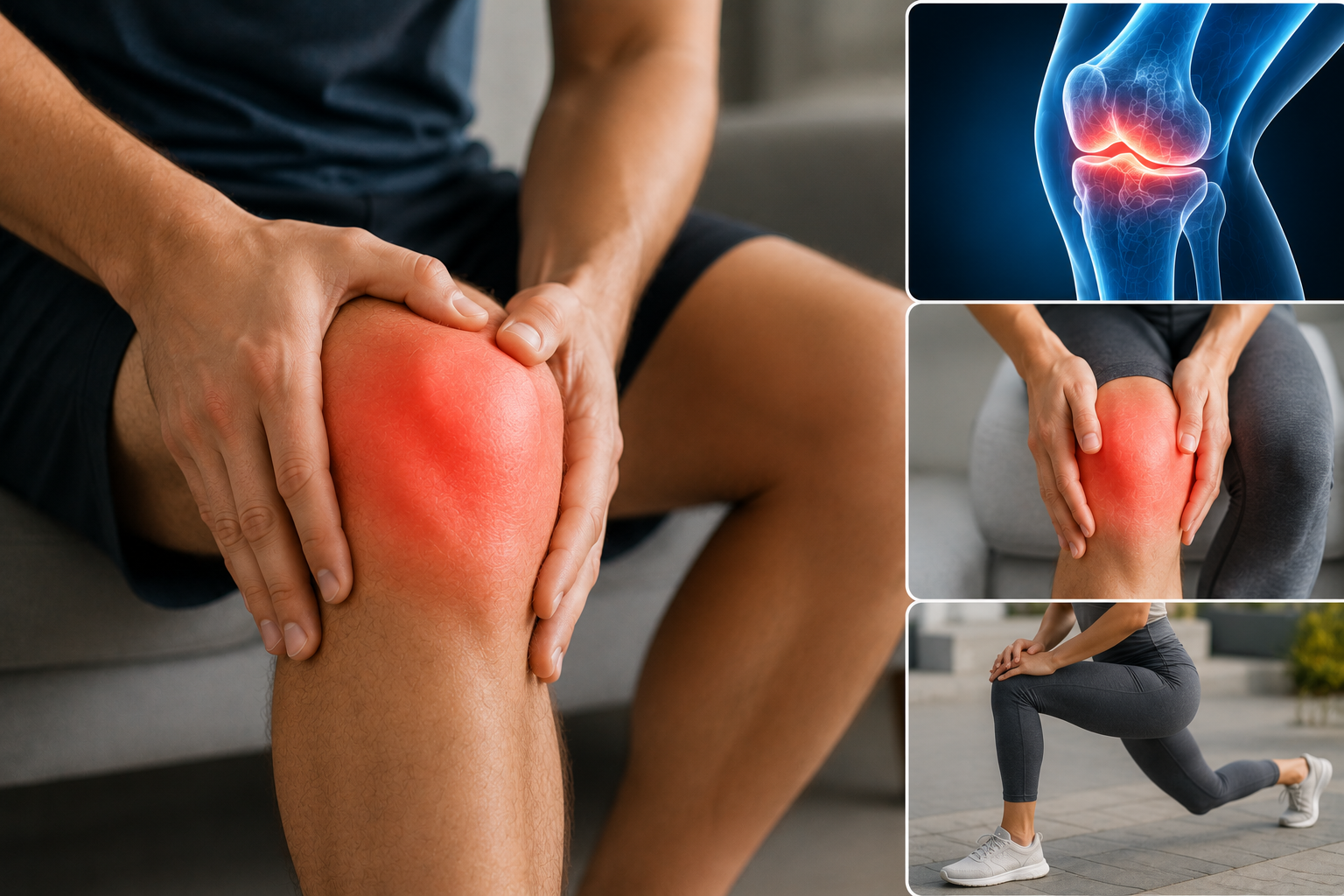
Feeling tightness in your knee can be confusing, especially when there’s no visible injury or swelling. Many people ask why does my knee feel tight after sitting, walking, or exercising, and the answer usually depends on what’s happening inside the joint. This tightness can come from muscle strain, mild inflammation, or something more structural like cartilage wear. Understanding the root cause helps you decide whether home care is enough or if a doctor’s visit is needed. This guide breaks down every common reason your knee may feel tight, along with practical relief steps and clear warning signs.
Key Takeaways
- Knee tightness is often caused by muscle strain, swelling, or joint stiffness rather than serious injury
- Sitting for long periods or overusing the knee during exercise are common daily triggers
- Home remedies like stretching, rest, and ice often help mild tightness within a few days
- Persistent tightness with swelling, locking, or instability should be checked by a doctor
- Diagnosis may involve a physical exam, X-ray, or MRI depending on symptoms
Medically reviewed content pending named licensed reviewer — editorial team, [Publication Name]
What Does Knee Tightness Feel Like?
Knee tightness is usually described as a sensation of pressure, restriction, or reduced flexibility around the joint rather than sharp pain. It can appear suddenly after activity or build up gradually throughout the day, and it often affects how easily you can bend or straighten the leg.
Common Sensations Associated With Tightness
People experiencing knee tightness often describe it as a band-like pressure around the joint or a feeling that the knee cannot fully extend. Some notice a mild pulling sensation behind the kneecap, especially when climbing stairs or standing up after sitting. Others feel stiffness that eases slightly once they start moving around.
Tightness vs. Pain vs. Swelling
Tightness differs from pain because it usually feels like restricted movement rather than a sharp or burning sensation. Swelling, on the other hand, involves visible puffiness or a feeling of fluid buildup around the joint. Recognizing which symptom is dominant helps narrow down whether the cause is muscular, inflammatory, or structural.
Common Causes of Knee Tightness
Several everyday factors can cause the knee to feel tight, ranging from simple muscle tension to underlying joint conditions. Identifying the specific cause often depends on when the tightness occurs and whether other symptoms accompany it.
Muscle Tightness in the Quads, Hamstrings, or Calves
Tight muscles surrounding the knee, particularly the quadriceps and hamstrings, can pull on the joint and create a sensation of restriction. This is common after intense workouts, running, or long periods without stretching. Gentle stretching often relieves this type of tightness within a short time.
Fluid Buildup or Mild Swelling
Even small amounts of fluid inside the knee joint can create a feeling of fullness or tightness, sometimes without visible swelling. This can happen after minor overuse, a small injury, or prolonged standing. It often resolves with rest and elevation.
Osteoarthritis
Osteoarthritis involves gradual wear of the cartilage that cushions the knee joint, leading to stiffness and tightness that is often worse in the morning or after long periods of rest. Movement typically loosens the joint slightly as the day progresses, though discomfort may return with extended activity.
Ligament or Meniscus Issues
Injuries to the ligaments or meniscus, such as strains or tears, can cause a tight or locked sensation in the knee. These issues are often accompanied by instability, clicking, or difficulty fully straightening the leg, especially after a twisting movement or fall.
Patellofemoral Pain Syndrome
This condition involves irritation where the kneecap meets the thighbone, often due to misalignment or overuse. It commonly causes tightness during activities like squatting, climbing stairs, or sitting with a bent knee for extended periods.
Bursitis and Tendonitis
Inflammation of the fluid-filled sacs (bursae) or tendons around the knee can create tightness alongside mild swelling and tenderness. This is often linked to repetitive movements, kneeling, or overuse from sports and physical labor.
Prolonged Sitting or Inactivity
Sitting for extended periods, such as during long commutes or desk work, can cause the knee joint to stiffen due to reduced circulation and limited movement. This type of tightness typically eases once you stand and move around.
Knee Tightness After Specific Activities
The timing of knee tightness often reveals useful clues about its underlying cause. Certain activities and situations tend to trigger or worsen this sensation more than others.
After Running or Exercise
Tightness after exercise is frequently linked to muscle fatigue or minor inflammation from repetitive joint movement. This is especially common in runners or people increasing their workout intensity too quickly without proper conditioning.
After Sitting for Long Periods
Extended sitting reduces blood flow around the knee joint and allows connective tissues to stiffen. Many people notice their knee feels tight the moment they stand up after sitting through a long meeting, flight, or drive.
After Sleeping
Some people wake up with knee tightness due to reduced movement overnight or sleeping in a position that limits circulation. This is usually more noticeable in people with mild arthritis or previous joint injuries.
Morning vs. Evening Patterns
Morning tightness that improves with movement often points toward arthritis-related stiffness, while tightness that worsens throughout the day may suggest overuse or inflammation building up from daily activity.
When Knee Tightness Signals Something Serious
While most cases of knee tightness are harmless, certain symptoms suggest a more serious underlying issue that requires medical attention. Paying attention to accompanying signs can help determine the urgency of care needed.
Warning: Seek medical attention if your knee tightness is accompanied by significant swelling, inability to bear weight, visible deformity, fever, or a popping sound followed by instability.
Signs You Should See a Doctor
Persistent tightness lasting more than a week, along with swelling, warmth, or reduced range of motion, often warrants a professional evaluation. Difficulty walking or a feeling of the knee giving way are also important signs not to ignore.
Signs It’s a Medical Emergency
Sudden, severe swelling combined with an inability to move the knee, visible deformity, or intense pain after an injury may indicate a fracture or major ligament tear. These situations typically require immediate medical care.
How Is the Cause of Knee Tightness Diagnosed?
Doctors typically begin with a physical examination before moving to imaging if the cause isn’t clear. The diagnostic approach depends on symptom severity, duration, and any recent injury history.
Physical Examination
A doctor will usually check the knee’s range of motion, stability, and areas of tenderness. They may also ask about recent activities, previous injuries, or patterns in when the tightness occurs.
Imaging Tests (X-ray, MRI)
X-rays help identify bone-related issues like arthritis, while an MRI provides detailed images of soft tissues such as ligaments, tendons, and cartilage. Imaging is usually recommended when symptoms persist or physical exams suggest structural damage.
When Blood Tests Are Needed
Blood tests may be ordered if inflammatory or autoimmune conditions, such as rheumatoid arthritis, are suspected as a cause of ongoing knee stiffness and tightness.
Home Remedies and Relief Techniques
Many cases of knee tightness improve with simple, consistent home care. These methods focus on reducing inflammation, improving flexibility, and supporting the joint during recovery.
Stretching and Mobility Exercises
Gentle stretches targeting the quadriceps, hamstrings, and calves can relieve tension pulling on the knee joint. Low-impact mobility exercises, such as controlled leg swings or heel slides, also help restore comfortable movement.
The RICE Method
Rest, Ice, Compression, and Elevation remain effective for reducing mild swelling and tightness, especially after activity-related strain. Applying ice for short intervals and elevating the leg can noticeably ease discomfort within a day or two.
Supportive Footwear and Braces
Wearing supportive shoes or a knee brace can reduce strain on the joint during daily activities. This is particularly helpful for people with patellofemoral pain or early-stage arthritis.
Pro Tip: Alternate between gentle movement and short rest periods throughout the day rather than staying still for long stretches, as this helps prevent stiffness from building up.
Medical Treatments for Knee Tightness
When home remedies aren’t enough, medical treatments can target the underlying cause more directly. Treatment plans vary depending on whether the issue is inflammatory, structural, or degenerative.
Physical Therapy
A physical therapist can design a personalized program to strengthen the muscles supporting the knee while improving flexibility and joint alignment, often reducing tightness significantly over several weeks.
Medications
Over-the-counter anti-inflammatory medications can help reduce swelling and discomfort associated with tightness. A doctor may recommend stronger options for more persistent inflammation.
Injections
Corticosteroid injections can reduce inflammation quickly, while hyaluronic acid injections may improve joint lubrication in cases of osteoarthritis, easing stiffness over time.
Surgical Options
Surgery is typically reserved for cases involving significant ligament damage, meniscus tears, or advanced arthritis that hasn’t responded to other treatments.
Preventing Knee Tightness
Preventive habits can reduce how often knee tightness occurs and support long-term joint health, especially for people who are active or spend long hours sitting.
Strengthening Exercises
Building strength in the muscles surrounding the knee, particularly the quadriceps and hamstrings, helps stabilize the joint and reduces the likelihood of tightness developing from strain.
Proper Warm-Up and Cool-Down
Warming up before exercise and stretching afterward helps prepare the joint for movement and reduces post-activity stiffness, particularly for runners and athletes.
Ergonomic and Lifestyle Adjustments
Taking short breaks to stand and move during long periods of sitting, along with maintaining a healthy weight, can significantly reduce strain on the knee joint over time.
Comparison Table: Common Knee Conditions at a Glance
| Condition | Key Symptoms | Typical Treatment | When to See a Doctor |
| Muscle tightness | Restricted movement, mild pulling sensation | Stretching, rest | If tightness persists beyond a few days |
| Osteoarthritis | Morning stiffness, gradual worsening | Physical therapy, medication | If pain limits daily activities |
| Meniscus/ligament injury | Locking, instability, clicking | Rest, brace, possible surgery | Immediately after injury |
| Patellofemoral pain syndrome | Tightness with stairs or squatting | Strengthening exercises | If pain persists during activity |
| Bursitis/tendonitis | Tenderness, mild swelling | Rest, anti-inflammatories | If swelling or redness develops |
Frequently Asked Questions
Why does my knee feel tight when I bend it?
This is often caused by muscle tightness around the joint or early cartilage wear, both of which restrict smooth movement during bending.
Why does my knee feel tight but there’s no swelling?
Tightness without swelling is usually linked to muscle tension, poor circulation from sitting, or mild joint stiffness rather than inflammation.
Can dehydration cause knee tightness?
Dehydration can contribute to muscle tightness throughout the body, including around the knee, though it’s rarely the sole cause of joint stiffness.
Is knee tightness a sign of arthritis?
It can be, especially if the tightness is worse in the morning and improves with movement, but arthritis is only one of several possible causes.
How long does knee tightness usually last?
Mild tightness from overuse or sitting often resolves within a few days, while tightness linked to arthritis or injury may persist longer without treatment.
Conclusion
Knee tightness is a common symptom with causes ranging from simple muscle tension to more involved joint conditions like arthritis or ligament injury.
Paying attention to when the tightness occurs, what makes it better or worse, and whether other symptoms appear can help identify the right next step.
While home remedies resolve most mild cases, persistent or worsening tightness deserves a proper medical evaluation to protect long-term joint health.
RELATED POSTS
Can High Blood Pressure Cause Flashing Lights in Eyes?
Attend Health – Complete Guide to Features, Services, and Future of Healthcare AI Platform
Can Heartburn Cause Back Pain? Causes, Symptoms, Treatment, and When to Worry
Clear Liquid Diet: Complete Guide for Faster Recovery and Easy Digestion