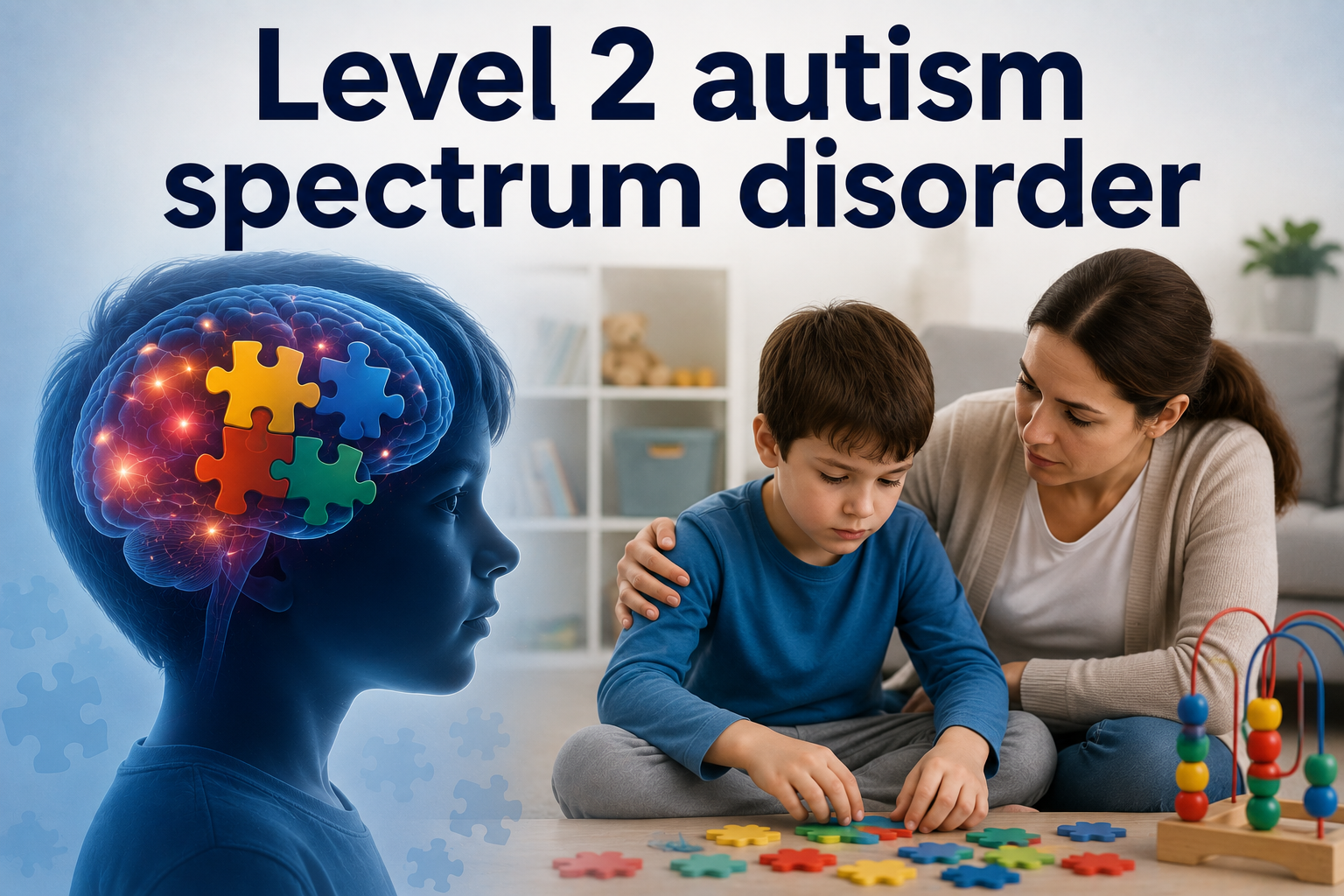
Level 2 autism spectrum disorder is a diagnostic category under the DSM-5 that describes individuals who need substantial support in daily life. People with this level face noticeable challenges in social communication and often show repetitive behaviors that are easy for others to notice.
Unlike level 1, where support needs are lighter, level 2 autism spectrum disorder requires more structured help at home, school, and work. This guide explains everything about this condition in simple words, from its meaning to daily coping strategies, so families, teachers, and individuals can understand it better without confusion.
Understanding the Three Severity Levels
The DSM-5 divides autism into three levels based on how much support a person needs in social communication and behavior. Level 2 autism spectrum disorder sits in the middle, requiring more help than level 1 but less than level 3.
Overview of Level 1, 2, and 3
Level 1 is often called “requiring support” and includes individuals who can communicate but struggle with social flexibility. Level 2 is “requiring substantial support,” meaning the person needs consistent help with communication and coping with change. Level 3 is “requiring very substantial support,” describing individuals with severe communication challenges and highly restrictive behaviors.
How Levels Are Determined
Levels are determined through clinical observation, interviews with caregivers, and standardized assessment tools. Specialists look at how a person communicates, handles changes in routine, and manages repetitive behaviors. The goal is not to label a person permanently but to guide the right kind of support.
Why Levels Can Change Over Time or by Context
A person’s level is not always fixed for life. With therapy, education, and life experience, some individuals may show fewer difficulties over time, while stressful situations can temporarily increase support needs. This means level 2 autism spectrum disorder should be viewed as a current support requirement rather than a permanent limitation.
What is Level 2 Autism?
Level 2 autism spectrum disorder describes individuals whose social and behavioral challenges are clear even when support is already in place. It is officially recognized as needing “substantial support” under the DSM-5 classification system.
Definition and Official DSM-5 Description
According to the DSM-5, level 2 autism spectrum disorder involves marked deficits in verbal and nonverbal communication skills. Social impairments remain visible even with support, and the person often shows limited ability to start conversations or respond appropriately to others’ social attempts.
Requiring Substantial Support: What This Really Means
“Substantial support” means the person cannot manage daily social and behavioral demands independently. They may need consistent help with routines, communication practice, and coping strategies at school, work, or home. This support is not occasional; it is a regular part of their daily functioning.
How Level 2 Differs from Level 1 and Level 3
Compared to level 1, individuals with level 2 autism spectrum disorder show more obvious communication struggles and repetitive behaviors that are noticeable to a casual observer. Compared to level 3, they usually have more functional speech and slightly more flexibility, though they still require regular structured assistance to manage daily life effectively.
Core Characteristics of Level 2 ASD
People with level 2 autism spectrum disorder typically show two major categories of traits: challenges in social communication and patterns of restricted or repetitive behavior. Both areas affect how they interact with the world daily.
Social Communication Challenges
Communication challenges are one of the clearest signs of level 2 autism spectrum disorder, appearing in both spoken and unspoken interactions.
Verbal Communication Difficulties
Many individuals with level 2 autism spectrum disorder struggle to hold back-and-forth conversations naturally. They may repeat phrases, speak in a flat tone, or find it hard to stay on topic during a discussion, even when they have a good vocabulary.
Nonverbal Communication Difficulties
Eye contact, facial expressions, and body language often do not match the situation. A person may avoid eye contact entirely or use gestures that seem unrelated to what they are trying to say, making conversations harder for others to follow.
Restricted and Repetitive Behaviors
The second major trait group involves behaviors that repeat often and are difficult to change, even with support in place.
Inflexibility and Routines
Daily routines often become very important, and any small change can cause significant stress. This need for sameness helps the person feel safe, but it can make sudden changes to school or work schedules especially difficult.
Difficulty with Change or Transitions
Moving from one activity to another, such as switching from playtime to mealtime, can trigger frustration or anxiety. Preparing the person in advance often helps reduce the difficulty of these transitions.
Diagnosis Process
Diagnosing level 2 autism spectrum disorder involves a detailed evaluation by trained specialists rather than a single test, since there is no medical scan that confirms autism directly.
Who Diagnoses ASD
Diagnosis is usually carried out by a team that may include a developmental pediatrician, child psychologist, psychiatrist, or speech-language pathologist. This team approach ensures that communication, behavior, and developmental history are all properly assessed.
Diagnostic Tools and Assessments Used
Professionals often use standardized tools such as the Autism Diagnostic Observation Schedule (ADOS) and detailed developmental questionnaires. These tools help measure communication skills, social behavior, and repetitive patterns in a structured way.
What a Diagnostic Evaluation Looks Like
An evaluation typically includes direct observation of the individual, interviews with parents or caregivers, and a review of developmental history. The specialist compares these findings against DSM-5 criteria to determine whether the person fits level 2 autism spectrum disorder or another severity level.
Common Co-occurring Conditions
Many individuals with level 2 autism spectrum disorder also experience related conditions such as ADHD, anxiety, or sensory processing difficulties. Identifying these overlapping conditions helps create a more complete and effective support plan.
Support and Therapy Options
Several therapy approaches can help individuals with level 2 autism spectrum disorder build skills and manage daily challenges more effectively.
Speech and Language Therapy
This therapy focuses on improving both verbal and nonverbal communication skills. Therapists use structured exercises to help individuals express needs clearly and better understand conversations with others.
Occupational Therapy
Occupational therapy helps individuals manage sensory sensitivities and improve daily living skills such as dressing, eating, and writing. It also supports fine motor skill development needed for school and independent living.
Applied Behavior Analysis (ABA)
ABA therapy uses structured reinforcement techniques to teach communication, social, and daily living skills. While widely used, it remains a debated approach, with some advocates raising concerns about its methods, so families are encouraged to research different perspectives before choosing it.
Social Skills Training
This therapy focuses specifically on teaching conversation skills, understanding facial expressions, and practicing group interactions in a safe, guided setting. Role-playing exercises are commonly used to build confidence in real social situations.
Sensory Integration Strategies
These strategies help the nervous system process sensory information more comfortably. Activities may include weighted blankets, noise-canceling headphones, or scheduled sensory breaks throughout the day.
Medication
Medication is not used to treat autism itself but may help manage related symptoms such as anxiety, sleep difficulties, or attention challenges. Any medication decision should be guided carefully by a qualified medical professional.
Life Skills and Independence
As individuals with level 2 autism spectrum disorder grow older, building practical life skills becomes essential for long-term independence and confidence.
Daily Living Skills Training
Training in cooking, cleaning, and personal hygiene helps build a foundation for independent living. These skills are often taught gradually through repetition and consistent practice.
Building Social Relationships
Structured social opportunities, such as clubs or group activities with shared interests, can help build meaningful friendships. Shared hobbies often make social interaction feel more natural and enjoyable.
Preparing for Adulthood and Employment
Vocational training programs can help individuals identify suitable career paths that match their strengths and interests. Workplace accommodations, such as clear task instructions, can also support long-term job success.
Long-Term Outlook and Support Planning
With consistent support, many individuals with level 2 autism spectrum disorder lead fulfilling, independent lives. Long-term planning should include education, employment goals, and community support resources tailored to the individual’s needs.
Myths and Misconceptions About Level 2 Autism
Many misunderstandings exist about level 2 autism spectrum disorder, often leading to unfair assumptions about a person’s abilities or potential.
Common Misunderstandings
One common myth is that individuals with level 2 autism spectrum disorder cannot form meaningful relationships or hold jobs, which is simply untrue with proper support. Another myth assumes all individuals at this level behave identically, ignoring the natural diversity within the spectrum.
Clarifying Facts vs. Myths
In reality, many individuals with level 2 autism spectrum disorder develop strong skills, meaningful relationships, and successful careers with the right support system in place. Understanding these facts helps reduce stigma and encourages more inclusive attitudes in schools, workplaces, and communities.
Resources and Support Networks
Connecting with the right resources can make a significant difference for families navigating a level 2 autism spectrum disorder diagnosis.
Organizations and Support Groups
Various autism advocacy organizations offer educational resources, community events, and family support programs. Local support groups also provide a valuable space for sharing experiences and practical advice.
Helpful Books and Materials
Numerous books written by specialists and autistic individuals themselves offer valuable insight into daily life and effective support strategies. These resources can help families better understand and respond to specific challenges.
Online Communities
Online forums and social media groups connect families and individuals worldwide, allowing them to exchange tips and emotional support. These communities often provide comfort through shared experiences and practical guidance.
Frequently Asked Questions
Is level 2 autism spectrum disorder considered severe? It is considered a moderate level, requiring substantial support but generally less intensive than level 3.
Can someone with level 2 autism spectrum disorder live independently? With proper training and support, many individuals can achieve a good degree of independence over time.
Does level 2 autism spectrum disorder change with age? Support needs can shift with therapy and life experience, though the diagnosis itself remains consistent.
What is the main difference between level 1 and level 2 autism? Level 2 involves more noticeable communication and behavioral challenges that remain visible even with support in place.
Conclusion
Level 2 autism spectrum disorder describes individuals who need consistent, substantial support in communication and daily behavior management.
With the right therapies, education plans, and family support, many people at this level build meaningful skills and lead fulfilling lives. Understanding this condition clearly helps reduce stigma and encourages better support systems at home, school, and work.
Related Posts
Can an Ear Infection Cause Jaw Pain? Causes, Symptoms & Relief
Can Irritation Cause Acne? Skin Irritation and Breakouts
How to Reduce Pores on Face: Guide to Smoother Skin
Does Impact Health Cover IVF? Complete Guide to Fertility Treatment Coverage