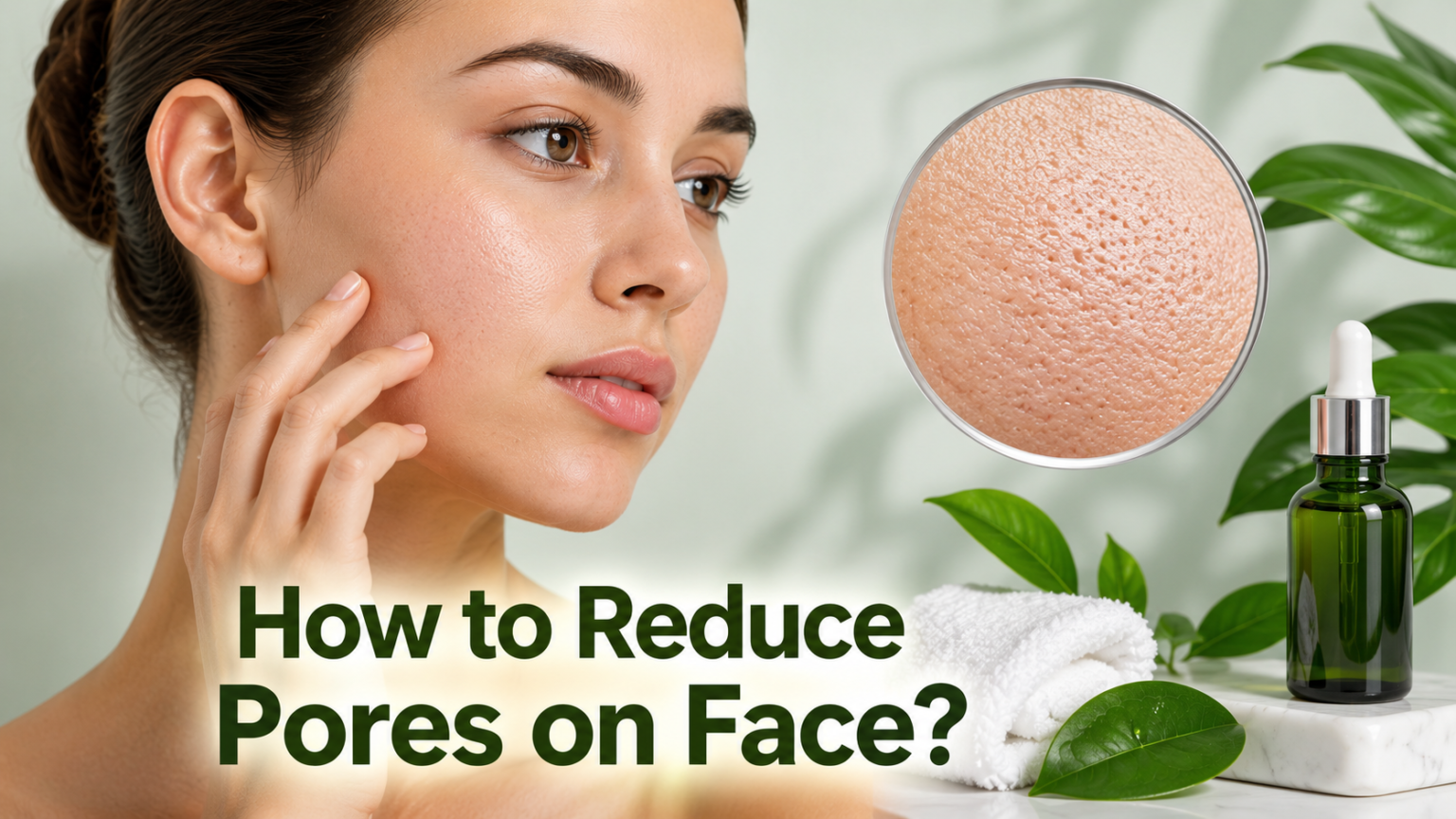
Large, visible pores are one of the most common skin concerns people search for solutions to, especially when oily skin, sun exposure, or age begin changing skin texture. If you are wondering how to reduce pores on face naturally and effectively, the good news is that consistent skincare habits can make a real difference.
While pores cannot be permanently shrunk in size, their appearance can be significantly minimized through the right cleansing routine, targeted ingredients, and protective habits. This guide walks through daily skincare steps, effective ingredients, and professional treatments, explained in simple terms so you can build a routine that actually works.
Whether enlarged pores are caused by genetics, oil production, or sun damage, there are practical solutions ahead for every skin type. By the end of this guide, you will know exactly which habits to adopt and which mistakes to avoid for clearer, smoother-looking skin.
What Are Pores and Why Do They Appear Large?
Pores are tiny openings in the skin that release oil and allow hair to grow through. Understanding why they become more visible is the first step before learning how to reduce pores on face effectively.
Understanding Skin Pore Function
Every pore is connected to a hair follicle and a sebaceous gland that produces natural oil, called sebum, to keep skin moisturized. When oil production increases or dead skin cells build up around the opening, the pore stretches and becomes easier to see. This is a completely natural process, and pore size varies from person to person based on skin type and genetics.
Common Causes of Enlarged Pores
Several factors influence how visible pores become over time, including genetics, excess oil production, and reduced skin elasticity as we age. Sun damage plays a major role too, since it breaks down collagen and causes the skin around the pore to sag and widen. Other contributors include clogged pores from makeup residue, dehydration, and hormonal changes that increase oil output.
Can Pore Size Actually Be Reduced?
It helps to set realistic expectations before starting any routine. Pores do not have muscles, so they cannot physically open or close, and their actual size is largely determined by genetics. What skincare and professional treatments can do is minimize their appearance by keeping them clean, reducing oil buildup, and improving overall skin texture so pores look smaller and less noticeable. This is why the focus of any effective plan should be on appearance rather than permanent size reduction.
Daily Skincare Habits to Minimize Pores
A consistent daily routine is the foundation of any plan to reduce pores on face. Small, repeated habits often make a bigger difference than occasional intensive treatments.
Proper Cleansing Technique
Washing your face twice a day with a gentle, non-comedogenic cleanser removes excess oil and debris that can settle into pores. Avoid hot water, as it strips natural moisture and can trigger the skin to produce even more oil. Massaging the cleanser in gently for about sixty seconds before rinsing helps clear pores without irritating the surrounding skin.
Exfoliation: Chemical vs. Physical
Chemical exfoliants like salicylic acid work by dissolving oil and dead skin cells inside the pore lining, making them one of the most effective options for pore care. Physical scrubs can help remove surface buildup, but they should be used sparingly since over-scrubbing irritates skin and can worsen pore appearance. For most skin types, exfoliating two to three times a week strikes the right balance between effectiveness and safety.
Moisturizing Without Clogging Pores
Skipping moisturizer is a common mistake, since dehydrated skin often responds by producing more oil, which can make pores look larger. Choosing an oil-free, non-comedogenic moisturizer keeps skin hydrated without adding extra residue to pores. Applying it right after cleansing, while skin is still slightly damp, helps lock in hydration more effectively.
Topical Ingredients That Help
Certain active ingredients are backed by dermatology research for improving pore appearance over time. Introducing them gradually helps skin adjust without irritation.
Salicylic Acid (BHA)
Salicylic acid is an oil-soluble ingredient that penetrates directly into the pore to clear out trapped debris and excess sebum. It also has mild exfoliating properties that help smooth the skin’s surface over time. Using a product with around two percent salicylic acid a few times a week is usually enough to see gradual improvement.
Retinoids (Retinol)
Retinoids increase skin cell turnover, which helps prevent the buildup that stretches pores and also improves overall skin texture. Regular use over several weeks can noticeably refine the look of skin, though it may cause mild dryness at first. Starting with a lower concentration and using it a few nights a week reduces the chance of irritation.
Niacinamide
Niacinamide helps regulate how much oil the skin produces, which directly addresses one of the main causes of visible pores. It also strengthens the skin barrier and can visibly tighten the look of pores with consistent use. This ingredient is gentle enough for daily use and works well alongside other treatments like salicylic acid.
Clay Masks
Clay masks absorb excess oil and draw out impurities sitting inside the pores, giving skin a temporarily smoother, more matte appearance. They work best when used once or twice a week rather than daily, since overuse can dry out the skin. Rinsing thoroughly and following up with moisturizer prevents the tightness that clay masks can sometimes leave behind.
Pore-Minimizing Ingredients at a Glance
The table below summarizes how each ingredient works and how often it should typically be used, making it easier to compare options at a glance.
| Ingredient | Best For | How Often to Use | Time to See Results |
| Salicylic Acid | Oily, clogged pores | 2-3 times a week | 4-6 weeks |
| Retinol | Texture and turnover | 2-4 nights a week | 8-12 weeks |
| Niacinamide | Oil control | Daily | 4-8 weeks |
| Clay Mask | Temporary oil absorption | 1-2 times a week | Immediate, short-term |
Sun Protection and Pore Health
Sun exposure is one of the most overlooked factors that make pores look bigger over time. Protecting skin daily supports the results of every other step in this routine.
How UV Damage Enlarges Pores
Ultraviolet rays break down collagen and elastin, the proteins that keep skin firm and pores tight. As this structural support weakens, the skin around each pore begins to sag, making the opening appear wider and deeper. Over years of unprotected sun exposure, this effect becomes increasingly difficult to reverse.
Choosing Non-Comedogenic SPF
A broad-spectrum sunscreen with at least SPF 30 should be part of every morning routine, rain or shine. Look for formulas labeled non-comedogenic, since these are specifically designed not to clog pores. Lightweight, gel-based sunscreens tend to work particularly well for oily or acne-prone skin types.
Professional Treatment Options
For more noticeable or long-term results, dermatologist-administered treatments can go beyond what at-home products achieve. These are worth considering once a basic skincare routine is already in place.
Chemical Peels
Chemical peels use stronger concentrations of acids, such as glycolic or salicylic acid, to remove the outer layer of skin and reveal smoother texture underneath. They can improve the appearance of pores while also addressing dullness and mild discoloration. Recovery time varies depending on peel strength, so a dermatologist can recommend the right option for your skin.
Microneedling
Microneedling uses fine needles to create controlled micro-injuries in the skin, which stimulates collagen production as it heals. Over a series of sessions, this can noticeably tighten the skin around pores and improve overall texture. Results build gradually, so most people need three to six sessions spaced several weeks apart.
Laser Resurfacing
Laser treatments target deeper layers of skin to stimulate collagen remodeling, offering more dramatic and longer-lasting results than topical products alone. They are typically recommended for individuals with significant sun damage or pronounced pore visibility. Downtime and cost vary by laser type, so a consultation helps determine the best fit.
Makeup Tips to Blur Pores Instantly
While skincare works on long-term improvement, certain makeup techniques can visibly soften pores in the short term. These are useful additions rather than replacements for a proper routine.
Silicone-Based Primers
Silicone-based primers fill in the surface texture created by enlarged pores, creating a smoother base for makeup application. They sit on top of the skin rather than absorbing into it, which is what gives the blurring effect. A thin, even layer applied with fingertips works better than a thick coat, which can look cakey.
Application Techniques
Using a damp makeup sponge to bounce foundation onto skin, rather than dragging a brush across it, helps prevent product from settling into pores. Setting makeup with a light dusting of translucent powder in oily areas keeps the finish smooth throughout the day. Avoiding heavy, oil-based products around the nose and cheeks, where pores tend to be most visible, also helps.
Common Mistakes That Worsen Pore Appearance
Certain habits can undo the progress made through an otherwise good skincare routine, so it helps to know what to avoid.
• Over-exfoliating: Scrubbing too often strips the skin barrier and triggers more oil production, which can make pores look worse rather than better.
• Popping or squeezing pores: This damages surrounding tissue and often leads to scarring or pores that look permanently stretched.
• Skipping moisturizer: Dehydrated skin compensates by producing excess oil, undoing the benefits of cleansing and exfoliation.
How Long Until You See Results?
Most people begin noticing visible improvement in pore appearance after eight to twelve weeks of consistent use of the right products.
Skin renews itself roughly every four weeks, so real change takes more than one cycle to show. Patience and consistency matter more than switching products frequently, which can irritate skin and slow progress.
Frequently Asked Questions
Do pore strips actually work?
Pore strips can temporarily remove surface debris from pores, giving a short-lived smoother look. They do not address the underlying oil production or collagen loss that causes pores to look large, so results are not long-lasting.
Can diet affect how pores look?
A diet high in refined sugar and dairy has been linked to increased oil production in some people, which can affect pore appearance. Staying hydrated and eating a balanced diet supports overall skin health alongside a proper skincare routine.
Does cold water tighten pores?
Cold water can cause a brief, temporary tightening sensation, but it does not have any lasting effect on pore size or appearance. Consistent skincare habits produce far more noticeable and lasting results.
Are large pores genetic?
Yes, pore size is largely determined by genetics and skin type, with oilier skin types typically having more visible pores. While genetics cannot be changed, the routines outlined in this guide can still meaningfully improve their appearance.
Do pores get bigger with age?
Pores often appear larger with age because skin loses collagen and elasticity over time, causing the surrounding area to sag. Using retinoids and sun protection early can help slow this process.
Conclusion
Learning how to reduce pores on face comes down to consistency rather than any single miracle product. A steady routine built around gentle cleansing, targeted ingredients like salicylic acid and niacinamide, and daily sun protection addresses the root causes of visible pores.
Professional treatments can accelerate results for those wanting a more noticeable change, while simple makeup techniques offer an instant blurring effect when needed. Avoiding common mistakes, such as over-exfoliating or popping pores, protects the progress already being made.
Related Articles
Do You Gain Weight During Your Period? Causes, Truth & Simple Tips to Feel Better
Can Niacinamide Cause Acne? The Complete Guide
Can Irritation Cause Acne? Skin Irritation and Breakouts