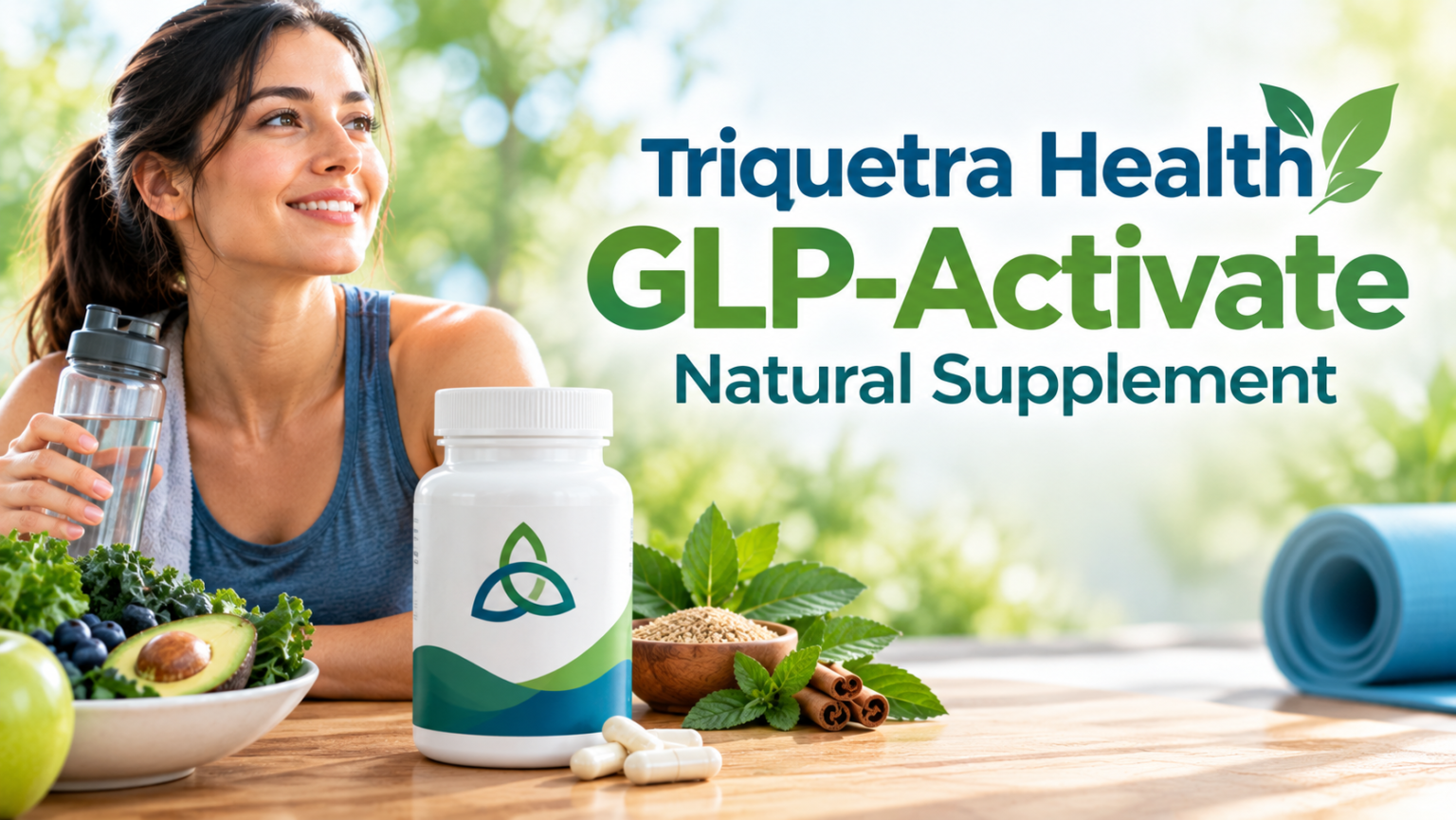
Triquetra Health GLP-Activate natural supplement is a capsule blend sold for appetite and metabolic support. Each bottle holds 90 capsules, and the label suggests one capsule three times daily before meals.
Its main ingredients are aloe vera, berberine HCl, Curcumin C3 Complex, and AXIVITE phenylcapsaicin. It is marketed as GLP-1 support, but it is not a GLP-1 medication like semaglutide.
We found no published clinical trial of this exact formula, so results are not guaranteed. Anyone with a health condition or on medication should speak with a doctor first.
Key Takeaways
- It supports appetite and blood sugar routines but does not replace prescription treatment.
- Berberine has the strongest research among its ingredients.
- Stomach upset and drug interactions are the main safety concerns.
- The FDA does not evaluate supplement claims before sale.
- Prices start around $44.99 per bottle.
- People taking diabetes medicine should get medical advice before use.
What Is Triquetra Health GLP-Activate Natural Supplement?
It is a daily capsule from Triquetra Health that blends plant-based compounds aimed at appetite and metabolic support. The sections below cover its background, its popularity, and what its GLP-1 wording really means.
Product Background
GLP-Activate launched in April 2024 and is sold online in bottles of 90 capsules. Review site SuppCo lists it from $44.99, or about $0.50 per serving. Like other dietary supplements, it is sold without a prescription.
Market Popularity
Ingredient maker aXichem reported in April 2025 that the product had become a top seller. That statement comes from a supplier that profits from the ingredient, so treat it as a sales claim, not proof of results. Popularity shows demand, not effectiveness.
Meaning of “GLP-1 Support”
GLP-1 is a natural gut hormone that helps control appetite and blood sugar. Here, “support” is a marketing term suggesting help for your body’s normal processes. It does not mean the capsule contains or copies a GLP-1 drug.
Triquetra Health GLP-Activate Ingredients Explained
The formula features four ingredients, each with a different traditional or claimed role. Here is what each one is and why it was likely chosen.
Aloe Vera
Aloe vera is a succulent plant used for centuries for digestive and skin care. In supplements, it is often added for gut comfort and possible blood sugar support. Its laxative effect can be strong in some people.
Berberine HCl
Berberine is a yellow plant compound found in barberry and similar herbs. It is the most researched ingredient in this blend, mainly for blood sugar and cholesterol. The HCl form is a purified salt that is common in supplements.
Curcumin C3 Complex
Curcumin is the active pigment in turmeric, known for antioxidant and anti-inflammatory action. C3 Complex is a standardized extract, which keeps each capsule consistent. Curcumin absorbs poorly alone, so it is usually paired with an absorption aid.
AXIVITE Phenylcapsaicin
AXIVITE is aXichem’s trade name for phenylcapsaicin, a compound related to the heat molecule in chili peppers. The maker promotes it for weight control and for helping curcumin absorb better. It is a branded ingredient, so much of its data comes from the supplier.
How Does GLP-Activate Claim to Work?
The brand suggests its plant compounds help the body’s own appetite and blood sugar signals. The points below separate the biology from the marketing.
Role of GLP-1 in Your Body
After you eat, your gut releases GLP-1, which slows digestion, raises fullness, and helps insulin work. Prescription drugs copy this hormone at strong doses. Diet, fiber, and gut health also influence the natural signal.
The Supplement Approach
The capsule takes an indirect route, with berberine aimed at glucose handling, curcumin at inflammation, and phenylcapsaicin at appetite and metabolism. Taking it before meals is meant to line up with eating. This is a gentle nudge, not a hormone replacement.
Marketing Versus Biology
Supporting metabolism is different from proving that a capsule raises GLP-1 levels in people. Label wording is allowed because supplement claims are loosely regulated. Look for measured outcomes, not slogans.
What Does the Research Say?
Evidence differs a lot by ingredient. Berberine has the most human data, while the others rely on smaller or supplier-linked studies.
Berberine and Blood Sugar
Reviews indexed in NIH’s PubMed Central report that berberine can modestly lower fasting glucose and cholesterol in adults with type 2 diabetes. The effect is smaller than prescription medicine, and results vary between trials. Studies use set doses, so a blend may not match what was tested.
Curcumin, Aloe, and Phenylcapsaicin
Curcumin shows anti-inflammatory benefits in clinical trials, though weight effects are small. Aloe vera has limited small-scale data on blood sugar. Phenylcapsaicin studies are few and often linked to the supplier.
Testing and Quality Ratings
SuppCo gives the product a TrustScore of 8.5 (“Very good”) and notes ISO 17025-accredited third-party testing. However, it also says product-specific testing is not verified. Ask for a batch certificate of analysis before buying.
GLP-Activate vs. Competitors and Alternatives
The table compares GLP-Activate with the main options a shopper might weigh. Prescription costs vary widely, so no fixed price is shown.
| Option | Type | Key Active | Prescription | Main Limitation |
| GLP-Activate | Multi-ingredient capsule | Berberine, curcumin, aloe, phenylcapsaicin | No | No trial of full formula; three capsules daily |
| Semaglutide or similar drugs | Prescription medication | GLP-1-based compound | Yes | Cost, side effects, medical supervision |
| Berberine-only supplement | Single-ingredient capsule | Berberine | No | Narrower formula; same stomach and interaction risks |
| Other “GLP-1 support” blends | Multi-ingredient supplement | Varies by brand | No | Formulas and testing standards differ |
| Fiber supplements | Powder or capsule | Psyllium, glucomannan | No | Effect limited to fullness; needs plenty of water |
| Lifestyle changes | Diet and activity | Protein, fiber, movement | No | Needs time and consistency |
Compared with single-ingredient berberine, GLP-Activate offers a broader formula, but it asks for three capsules a day and may cost more than basic options. Competing blends use similar plant ingredients, so the real differences are label transparency, batch testing, and clear dosing. Prescription drugs are the only option here backed by large clinical trials and doctor oversight.
How to Take GLP-Activate Safely?
Follow the label directions and build steady habits. These two points cover timing and consistency.
Suggested Dose and Timing
The label suggests one capsule three times daily, ideally 30 to 60 minutes before a meal. Do not exceed this amount, and do not double up after a missed dose. Swallow each capsule with water.
Tips for Consistency
Link each capsule to your main meals so the routine is easy to remember. Note your appetite, energy, and stomach comfort for a few weeks. Stop and seek advice if new symptoms appear.
Side Effects, Interactions, and Who Should Avoid It
Most concerns involve the stomach and medication interactions. The points below explain what to watch for.
Common Side Effects
Berberine and aloe can cause cramps, loose stools, gas, or nausea. Phenylcapsaicin may cause mild warmth or stomach irritation in sensitive people. Ask a pharmacist before changing the label directions.
Drug Interactions
Berberine can interact with diabetes medicine, blood thinners, and drugs processed by liver enzymes. Combining it with prescription GLP-1 drugs could increase blood sugar drops or stomach effects. Share your full supplement list with your pharmacist.
Who Should Avoid It?
Pregnant or breastfeeding women, children, and people with liver or kidney disease should not use it without medical approval. Anyone facing surgery should ask their doctor about stopping beforehand. People with diabetes must check with their physician first.
Realistic Expectations and Buying Checklist
Any effect is likely to be modest and works best beside balanced meals, protein, fiber, sleep, and regular movement. Online reviews describe mixed experiences, and individual results vary. Use this checklist before you buy:
- Buy from the brand’s official store or a trusted retailer.
- Ask for a batch certificate of analysis.
- Compare price per serving, not price per bottle.
- Check the return policy.
- Confirm the purchase with your doctor.
FAQs
Is GLP-Activate the same as Ozempic?
No. Ozempic is a prescription semaglutide injection, while GLP-Activate is an over-the-counter herbal capsule. They differ in strength, evidence, and regulation.
Does it truly raise GLP-1?
This is not proven. The ingredients may support appetite and blood sugar in different ways, but no study we found measured GLP-1 levels for this formula.
How long until I see results?
Berberine studies usually run for several weeks to months. Expect gradual changes, if any.
Can I take it with prescription GLP-1 medicine?
Only with your prescriber’s approval. Combining them may raise the risk of low blood sugar or stomach upset.
Is it FDA approved?
No. The FDA does not approve dietary supplements or review their benefit claims before sale, though it can act against unsafe products.
Conclusion
Triquetra Health GLP-Activate natural supplement is a plant-based blend with a reasonable ingredient list, but its GLP-1 language is more promotional than proven. Berberine offers the best-backed benefit, while side effects and interactions deserve real attention. If you decide to try it, choose tested batches, follow the label, and review it with your doctor.
Related Posts
What Cause Foot Warts? Causes, Symptoms, Prevention
Insect Bite Scar: Causes, Removal Options & Prevention Tips
Can You Get a Sore Throat From Allergies? Causes, Symptoms & Relief
Ear Pain When Chewing: Causes, Symptoms, Diagnosis, and Effective Treatment