


If you or a loved one has been diagnosed with skin cancer, one of the first questions that comes to mind is: how much is SRT therapy for skin cancer? Superficial Radiation Therapy (SRT) is a non-invasive, highly effective alternative to traditional surgery — and understanding its cost is essential for making an informed treatment decision.
In this guide, we’ll explore What Factors Affect the Price of SRT Treatment? and uncover the Hidden Costs of Surgery That SRT Eliminates, so you can see the full financial picture before choosing your path forward.
What Is SRT Therapy for Skin Cancer?
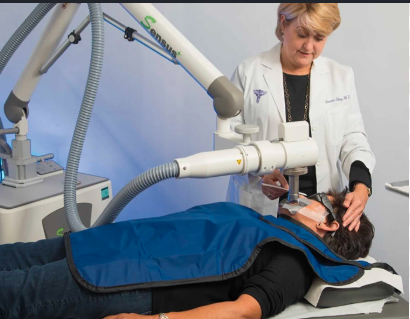
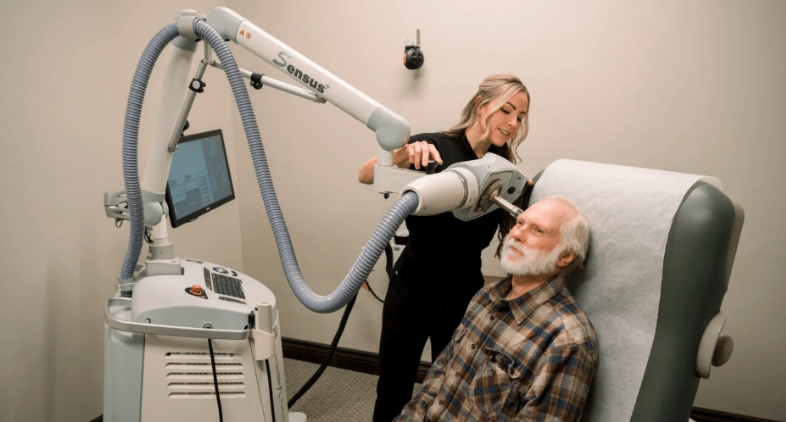
SRT (Superficial Radiation Therapy) is a non-surgical, outpatient treatment for non-melanoma skin cancers, including basal cell and squamous cell carcinoma.
It uses low-energy X-rays to precisely destroy cancer cells within the top 5mm of the skin, leaving surrounding healthy tissue unharmed.
With no incisions, no anesthesia, and no downtime, SRT is a safe and effective alternative to traditional surgery.
How Much Does SRT Therapy Cost?
The cost of SRT therapy typically ranges from $500 to $1,000 per session, with a full treatment course costing between $3,000 to $10,000.
Patients with Medicare or insurance can have up to 80% of costs covered, while uninsured patients pay entirely out-of-pocket.
Comparing the per-session cost vs. full treatment course is key to understanding your total financial commitment.
What Factors Affect the Price of SRT Treatment?
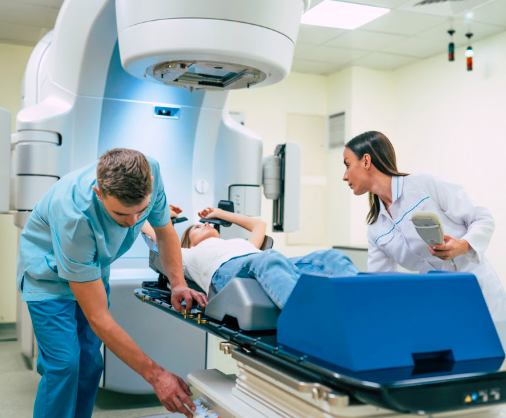
The price of SRT treatment can vary from several thousand dollars for standard skin cancer treatment to over $10,000–$30,000 for specialized oncology applications. In this section, we will discuss the key factors that influence the overall cost of SRT therapy:
- Tumor Size and Location: Larger or more complex tumors require more sessions, directly increasing the total treatment cost.
- Number of Sessions Required: A full treatment course can range from 10 to 20 sessions, with each session adding to the overall expense.
- Type of Facility: Treatment at a private specialized clinic may cost differently compared to a hospital-based oncology center.
- Geographic Location: Prices can vary significantly depending on your city or region, with urban centers typically charging more than rural areas.
- Physician Experience and Expertise: Highly experienced SRT specialists may charge premium rates reflecting their advanced skills and track record.
- Technology Used: Advanced Image-Guided SRT (IG-SRT) equipment and technology can add to the overall cost compared to standard SRT systems.
- Insurance Coverage: Whether you have Medicare, private insurance, or no coverage at all plays a major role in determining your final out-of-pocket expense.
Does Insurance Cover SRT Therapy?
Yes, Superficial Radiation Therapy (SRT) and Image-Guided SRT (IG-SRT) are generally covered by Medicare and most major private insurance plans, including Blue Cross, United, Aetna, and Cigna.
Coverage is typically granted when the treatment is deemed medically necessary for non-melanoma skin cancers, making it accessible for a wide range of patients.
However, it is always recommended to verify your specific plan details and pre-authorization requirements with your insurance provider before beginning treatment.
Hidden Costs of Surgery That SRT Eliminates
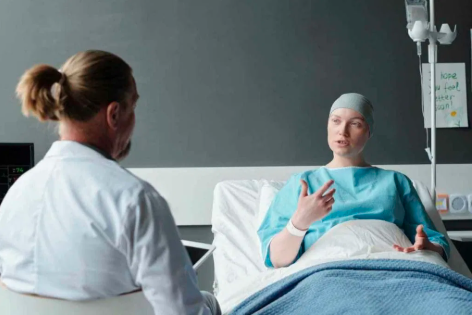
While surgery may sometimes appear as the default treatment option, it often comes with a range of hidden costs that patients fail to account for upfront. SRT eliminates many of these unexpected expenses, making it a more financially transparent choice. Here are the key costs that SRT removes from the equation:
Anesthesia Fees
Surgical procedures require anesthesia, which can add $500 to $3,500 to your total bill — a cost that simply does not apply with SRT.
Operating Room & Facility Charges
Hospital operating rooms come with significant facility fees, often ranging from $1,500 to $6,000, whereas SRT is performed in a simple outpatient setting.
Post-Surgical Wound Care
Surgery leaves wounds that require follow-up care, dressings, and sometimes additional procedures — all adding hundreds to thousands of dollars in aftercare costs.
Reconstructive or Cosmetic Procedures
When surgery removes skin tissue, reconstructive work may be needed, potentially costing $2,000 to $10,000 or more — a concern that SRT completely avoids.
Lost Wages & Recovery Downtime
Surgical recovery can keep patients out of work for days to weeks, resulting in significant lost income that is entirely eliminated with SRT’s zero-downtime approach.
Is SRT Worth the Cost?
For patients diagnosed with non-melanoma skin cancer, SRT therapy is generally worth the cost when you factor in its high cure rates, non-invasive nature, and elimination of surgical hidden costs.
With a 95%+ cure rate comparable to surgery, zero downtime, no scarring, and broad insurance coverage through Medicare and major providers, SRT offers exceptional value for the right candidate.
When weighing the total financial and physical cost of surgery against SRT, most patients find that the long-term benefits far outweigh the upfront investment.
How to Find SRT Providers and Get a Cost Estimate
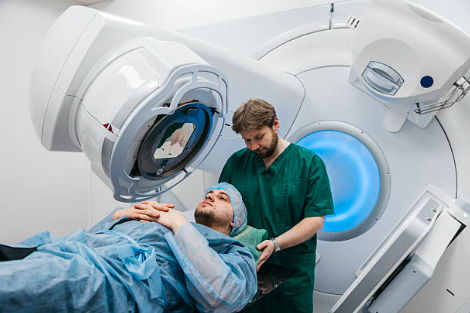
Finding a qualified SRT provider and getting an accurate cost estimate is easier than most patients think. Here are the key steps to get started:
Check with Your Dermatologist
Your dermatologist is the best starting point — they can either offer SRT in-clinic or refer you to a certified SRT provider in your area who specializes in non-melanoma skin cancer treatment.
Search Certified SRT Clinics Online
Use online directories and search terms like “SRT therapy near me” or “superficial radiation therapy for skin cancer” to locate accredited clinics and oncology centers in your region.
Contact Your Insurance Provider First
Before booking a consultation, call your insurance or Medicare provider to confirm coverage, get a list of in-network SRT providers, and understand your out-of-pocket responsibilities upfront.
Request a Free Cost Estimate
Most reputable SRT clinics offer free initial consultations where they assess your condition, outline a treatment plan, and provide a transparent cost breakdown before you commit to anything.
Compare Multiple Providers
Don’t settle for the first quote — comparing at least two to three providers can help you find the best combination of experience, technology, and affordability for your specific case.
Frequently Asked Questions
How many SRT sessions are typically needed for skin cancer?
Most patients require between 10 to 20 sessions spread over several weeks, depending on the size, type, and location of the tumor. Your treating physician will create a personalized treatment plan based on your specific condition.
Is SRT therapy painful?
No, SRT therapy is completely painless and non-invasive. Each session lasts only a few minutes, requires no anesthesia, and patients can resume normal daily activities immediately after treatment.
What is the success rate of SRT for skin cancer?
SRT has a documented cure rate of over 95% for basal cell and squamous cell carcinoma, making it clinically comparable to surgical removal while offering a far less invasive experience.
Can SRT be used for all types of skin cancer?
SRT is specifically designed for non-melanoma skin cancers such as basal cell and squamous cell carcinoma. It is not recommended for melanoma or cancers that have spread deeper than 5mm beneath the skin surface.
How long does each SRT session take?
Each individual session is relatively quick, typically lasting between 15 to 30 minutes, including preparation time, making it easy to fit into a regular daily schedule.
Will I have scarring after SRT therapy?
One of the biggest advantages of SRT is that it leaves little to no scarring, making it particularly popular for treating skin cancers on visible areas like the face, nose, and ears.
Is SRT safe for elderly patients?
Yes, SRT is considered especially suitable for elderly patients who may not be ideal candidates for surgery due to age-related health conditions, as it requires no anesthesia or surgical recovery period.
Conclusion
Understanding how much SRT therapy costs goes beyond the price tag — it’s about weighing the full value of a non-surgical, pain-free treatment with a 95%+ cure rate and no hidden surgical expenses.
With broad coverage from Medicare and major insurance providers, SRT is both an affordable and medically sound choice for non-melanoma skin cancer patients. Consult a certified SRT provider today, verify your coverage, and take the first step toward effective, stress-free treatment.
Related posts
What’s the Difference Between a Fracture and a Broken Bone?
Does Impact Health Cover IVF? Complete Guide to Fertility Treatment Coverage
Do Humidifiers Help with Asthma? What You Need to Know Before Buying One
Clear Liquid Diet: Complete Guide for Faster Recovery and Easy Digestion
How Long Do Dental Implants Last? Real Lifespan, Success Rates & Expert Tips