
Muscle twitching, also known as fasciculations, refers to small, involuntary contractions of muscle fibers that can occur anywhere in the body — from your eyelids to your legs. While often harmless and triggered by everyday factors like stress, caffeine, or fatigue, persistent twitching can sometimes signal an underlying condition worth attention.
In this article, we will explore How Is Muscle Twitching Diagnosed?, the connection between Muscle Twitching and Anxiety, and everything you need to know to understand and manage this common yet often misunderstood symptom.
What Is Muscle Twitching?
Muscle twitching, medically known as fasciculations, is the spontaneous, involuntary contraction of a small group of muscle fibers caused by misfired electrical signals in the nervous system.
These sudden, brief movements can occur anywhere in the body and are often felt as a flickering or jumping sensation beneath the skin. While usually harmless and linked to stress, fatigue, or dehydration, persistent twitching may sometimes point to an underlying medical condition.
Is Muscle Twitching Dangerous?

In most cases, muscle twitching is not dangerous and is simply your body’s response to everyday triggers like stress, lack of sleep, too much caffeine, or dehydration. These benign twitches are harmless, temporary, and usually resolve on their own without any medical treatment.
However, muscle twitching can become a cause for concern when it is persistent, widespread, or accompanied by other symptoms such as muscle weakness, numbness, or difficulty moving — as these may indicate a more serious underlying condition like ALS, multiple sclerosis, or nerve damage that requires prompt medical attention.
5 Common Causes of Muscle Twitching
Muscle twitching can be triggered by a variety of factors, ranging from simple lifestyle habits to underlying health conditions. Below, we will discuss the 5 most common causes of muscle twitching that you should be aware of.
Stress and Anxiety
One of the most common causes of muscle twitching is stress and anxiety, which overstimulate the nervous system and cause involuntary muscle contractions. When your body is under emotional or mental pressure, it releases adrenaline that can trigger random twitching, particularly in the eyelids, legs, and arms.
Caffeine Overconsumption
Excessive intake of caffeine through coffee, energy drinks, or tea can overstimulate nerve endings and lead to muscle twitching. Caffeine acts as a stimulant that increases electrical activity in the nervous system, making muscles more prone to involuntary firing and spasms.
Dehydration and Electrolyte Imbalance
When your body lacks proper hydration or essential electrolytes like magnesium, potassium, and calcium, the nerves and muscles cannot function properly. This imbalance disrupts the electrical signals that control muscle contractions, leading to twitching, cramping, and spasms throughout the body.
Physical Fatigue and Overexertion
Overworking your muscles through intense exercise or prolonged physical activity can cause muscle fibers to twitch as they recover from strain. Fatigued muscles experience a buildup of lactic acid and reduced oxygen supply, which interferes with normal nerve signaling and triggers involuntary contractions.
Nutritional Deficiencies
A lack of essential vitamins and minerals — particularly Vitamin D, Vitamin B12, and magnesium — can impair nerve function and lead to frequent muscle twitching. These nutrients play a critical role in maintaining healthy nerve transmission and muscle activity, and their deficiency can cause the nervous system to misfire, resulting in persistent twitching.
Muscle Twitching and Anxiety

Anxiety and muscle twitching are closely connected, and understanding this relationship can help you better manage both conditions. Below, we will discuss how anxiety directly triggers muscle twitching and what you can do about it.
- Anxiety puts the nervous system in a constant state of heightened alertness, releasing stress hormones like cortisol and adrenaline that overstimulate the nerves and cause involuntary muscle contractions.
- The most commonly affected areas include the eyelids, legs, and arms, where twitching can range from mild flickering to noticeable jumping sensations beneath the skin.
- Anxiety and twitching create a frustrating cycle — increased anxiety leads to more twitching, and increased twitching leads to more anxiety and unnecessary health worries.
- Simple lifestyle changes like regular exercise, deep breathing, mindfulness, and adequate sleep can significantly reduce both anxiety and its associated muscle twitching.
Muscle Twitching by Body Part
Muscle twitching can occur in almost any part of the body, and its location often provides important clues about its underlying cause. Below, we will discuss the most common areas where muscle twitching occurs and what it may indicate.
Eyelid Twitching
One of the most common forms of muscle twitching, eyelid twitching is usually triggered by stress, fatigue, or excessive caffeine intake. It is typically harmless and resolves on its own within a few days or weeks.
Leg Twitching
Leg twitching is often caused by overexertion, dehydration, or electrolyte imbalances after intense physical activity. It can also be associated with restless leg syndrome or nerve-related conditions that affect the lower body.
Arm Twitching
Arm twitching is commonly linked to muscle fatigue, nutritional deficiencies, or anxiety that overstimulates the nerves. Persistent arm twitching may indicate an underlying neurological condition that requires medical evaluation.
Back Twitching
Back twitching is usually caused by muscle strain, poor posture, or prolonged sitting that puts excessive pressure on spinal nerves. It can also result from dehydration or magnesium deficiency affecting nerve and muscle function.
Face and Jaw Twitching
Facial and jaw twitching is often associated with stress, anxiety, or temporomandibular joint (TMJ) disorders that affect the muscles around the mouth and jaw. In rare cases, it may indicate a neurological condition like hemifacial spasm that requires prompt attention.
Thumb and Finger Twitching
Thumb and finger twitching is commonly caused by repetitive movements, carpal tunnel syndrome, or nerve compression in the wrist or hand. It may also be an early sign of conditions like Parkinson’s disease if accompanied by persistent tremors and stiffness.
Muscle Twitching in Special Groups
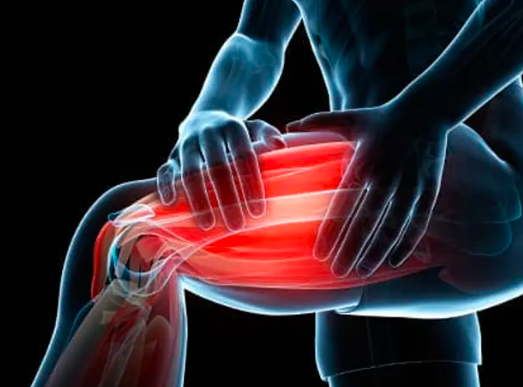
Muscle twitching does not affect everyone in the same way, as certain groups of people are more prone to experiencing it due to their unique physical and biological conditions. Below, we will discuss how muscle twitching presents differently across special groups and what it may indicate for each.
- Muscle Twitching During Pregnancy: Pregnant women commonly experience muscle twitching due to hormonal changes, increased physical demands, and nutritional deficiencies like magnesium and calcium. These twitches are usually harmless but should be monitored if they become frequent or painful.
- Muscle Twitching in Babies and Newborns: Muscle twitching in newborns is quite common and often completely normal as their nervous system is still developing after birth. However, repetitive or rhythmic twitching in infants may sometimes indicate seizure activity and should be evaluated by a pediatrician promptly.
- Muscle Twitching in the Elderly: Older adults are more prone to muscle twitching due to age-related changes in the nervous system, muscle mass loss, and a higher likelihood of nutritional deficiencies and chronic health conditions. Persistent twitching in older adults should always be evaluated by a doctor to rule out conditions like ALS or Parkinson’s disease.
- Muscle Twitching in Athletes: Athletes are particularly susceptible to muscle twitching due to intense physical training that leads to muscle fatigue, dehydration, and electrolyte imbalances from excessive sweating. Proper hydration, balanced nutrition, and adequate rest are essential for athletes to prevent and manage exercise-induced muscle twitching effectively.
- Muscle Twitching in Anxiety Sufferers: People who suffer from chronic anxiety are significantly more prone to muscle twitching, as their nervous system remains in a constant state of overstimulation due to prolonged stress and elevated cortisol levels. Addressing the root cause of anxiety through therapy, medication, and lifestyle changes is the most effective way to reduce twitching in this group.
How Is Muscle Twitching Diagnosed?
Diagnosing muscle twitching involves a thorough evaluation of the patient’s medical history, symptoms, and physical condition to determine its underlying cause. Below, we will discuss the key methods and tests doctors use to accurately diagnose muscle twitching.
Medical History and Physical Examination
The first step in diagnosing muscle twitching is a detailed medical history review where the doctor asks about the frequency, location, and duration of twitches along with any associated symptoms. A physical examination is then performed to assess muscle strength, reflexes, and coordination to identify any neurological or muscular abnormalities.
Blood Tests
Blood tests are commonly ordered to check for electrolyte imbalances, nutritional deficiencies, and thyroid dysfunction that can trigger muscle twitching. These tests help identify underlying issues like low magnesium, calcium, or potassium levels that may be directly causing the involuntary contractions.
Electromyography (EMG)
EMG measures the electrical activity of muscles and nerves to detect abnormal firing patterns caused by nerve damage or neuromuscular disorders like ALS or peripheral neuropathy. It is one of the most important diagnostic tools for identifying the root cause of persistent muscle twitching.
MRI and Imaging Tests
MRI may be recommended to examine the brain and spinal cord for structural abnormalities, lesions, or nerve compression triggering muscle twitching. These imaging tests are particularly useful when a neurological condition like multiple sclerosis is suspected.
Treatment Options for Muscle Twitching
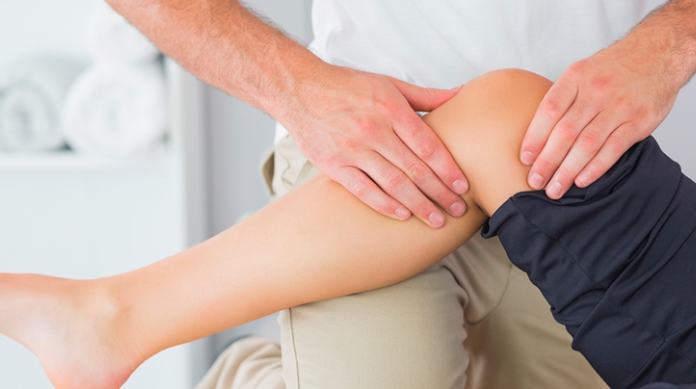
Treating muscle twitching depends entirely on its underlying cause, ranging from simple lifestyle adjustments to medical interventions for more serious conditions. Below, we will discuss the most effective treatment options available for managing and reducing muscle twitching.
- Lifestyle Changes: Reducing caffeine intake, staying properly hydrated, getting adequate sleep, and managing stress through exercise and mindfulness can significantly reduce the frequency of muscle twitches in most benign cases.
- Nutritional Supplements: If twitching is caused by nutritional deficiencies, doctors may recommend supplements like magnesium, calcium, potassium, or Vitamin B12 to restore proper nerve and muscle function and eliminate twitching naturally.
- Medications: For persistent or neurologically caused twitching, doctors may prescribe muscle relaxants, anticonvulsants, or beta-blockers to reduce nerve overstimulation and control involuntary muscle contractions effectively.
- Physical Therapy: Physical therapy is recommended for twitching caused by muscle strain, poor posture, or nerve compression, where personalized exercise programs help strengthen muscles and relieve pressure on affected nerves.
- Stress and Anxiety Management: Managing stress through cognitive behavioral therapy (CBT), meditation, and relaxation techniques can be highly effective in reducing anxiety-triggered muscle twitching, and anti-anxiety medications may be prescribed in severe cases.
When to See a Doctor
While most muscle twitching is harmless and resolves on its own, you should see a doctor if twitching is persistent, widespread, or accompanied by symptoms like muscle weakness, numbness, difficulty speaking, or trouble swallowing.
If your twitching begins after starting a new medication, following a head or spinal injury, or is progressively getting worse over time, seeking prompt medical attention is essential. Additionally, if muscle twitching is significantly affecting your sleep, daily activities, or overall quality of life, a healthcare professional can help identify the underlying cause and recommend the most appropriate treatment plan for your condition.
FAQs
Can dehydration alone cause muscle twitching?
Yes, dehydration alone can cause muscle twitching as it disrupts the balance of electrolytes like sodium, potassium, and magnesium that are essential for proper nerve and muscle function.
How long does muscle twitching usually last?
Most benign muscle twitches last anywhere from a few seconds to a few minutes, while stress or fatigue-related twitching can persist for several days or weeks until the underlying trigger is addressed.
Can poor sleep cause muscle twitching?
Yes, lack of quality sleep overstimulates the nervous system and increases muscle excitability, making involuntary twitching significantly more frequent and noticeable throughout the day.
Is muscle twitching a sign of ALS?
While muscle twitching can be an early symptom of ALS, it is rarely the only sign and is almost always accompanied by progressive muscle weakness, difficulty speaking, and loss of coordination.
Can too much exercise cause muscle twitching?
Yes, overexercising leads to muscle fatigue, lactic acid buildup, and electrolyte depletion that disrupts normal nerve signaling and triggers involuntary muscle contractions after intense physical activity.
Does magnesium deficiency cause muscle twitching?
Yes, magnesium plays a critical role in regulating nerve and muscle function, and its deficiency is one of the most common nutritional causes of frequent and widespread muscle twitching.
Can muscle twitching occur during sleep?
Yes, muscle twitching during sleep, commonly known as hypnic jerks, is a completely normal phenomenon that occurs as the body transitions from wakefulness to sleep and is experienced by most people at some point.
Conclusion
Muscle twitching is usually harmless and often caused by stress, fatigue, caffeine, or dehydration. In most cases, it goes away on its own without any treatment.
However, if twitching is persistent, worsening, or accompanied by weakness or numbness, it may indicate an underlying nerve or muscle condition.
In such situations, it is important to consult a doctor for proper evaluation. Overall, occasional muscle twitching is not dangerous, but monitoring your symptoms is always a good idea.
Related Articles
Is Sleep Apnea Considered a Disability? Symptoms, Benefits & Eligibility
Wisdom Tooth Pain? Get Instant Relief with These Proven Remedies Today
How to get rid of crunching sound in neck?
What Causes Lower Back Pain in Females? Complete Guide with Treatment Tips
Do You Gain Weight During Your Period? Causes, Truth & Simple Tips to Feel Better