


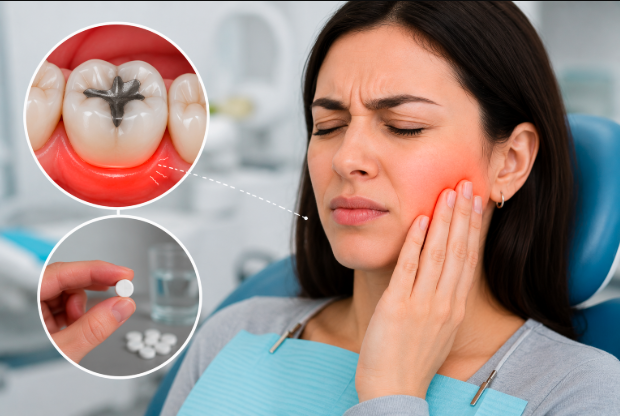
Many people expect pain after a dental filling to disappear with over-the-counter pain medicines. However, some patients notice that ibuprofen does not seem to help, leaving them wondering if something more serious is happening. Experiencing ibuprofen not working on fillings pain can be frustrating, especially when eating, drinking, or even talking becomes uncomfortable.
In many cases, persistent pain after a filling is related to inflammation, bite problems, or irritation of the tooth nerve. Understanding the reason behind the pain can help you know whether simple home care is enough or if you need to return to the dentist for further treatment.
What Is Filling Pain and Why Does It Happen?
Dental filling pain refers to discomfort that develops after a cavity has been treated and restored. Although fillings are designed to repair damaged teeth, the tooth tissues and nerves may need time to recover after the procedure.
The drilling process, the depth of the cavity, and sensitivity around the treated area can all contribute to temporary discomfort. Mild pain usually improves within a few days or weeks. However, if ibuprofen not working on filling pain becomes a concern, the underlying cause may need further evaluation.
Is It Normal to Have Pain After a Dental Filling?
Some discomfort after getting a filling is considered normal. Teeth contain sensitive nerves and tissues that may react to treatment. Most people experience mild soreness or sensitivity when consuming hot, cold, or sweet foods.
The duration and severity of pain vary from person to person. Minor sensitivity may last several days, while deeper fillings can take a few weeks to settle. Severe or worsening pain, however, is not considered normal and should be evaluated by a dental professional.
Normal vs Abnormal Pain After a Filling
| Normal Symptoms | Symptoms That Need Attention |
| Mild sensitivity | Severe throbbing pain |
| Temporary discomfort | Swelling around the tooth |
| Pain lasting a few days | Pain that gets worse |
| Slight soreness when chewing | Pain waking you up at night |
| Improvement over time | Persistent pain after weeks |
How Ibuprofen Works for Dental Pain
Ibuprofen belongs to a group of medications called nonsteroidal anti-inflammatory drugs (NSAIDs). It helps reduce inflammation and block pain signals. Dentists commonly recommend ibuprofen because it works well for mild to moderate dental pain.
However, ibuprofen cannot fix structural problems inside the tooth. If the filling is too high, if the nerve is infected, or if the tooth requires a root canal, medication may provide little relief. This explains why many patients complain about ibuprofen not working on fillings pain.
Why Ibuprofen May Not Be Relieving Filling Pain
There are several reasons why pain may continue despite taking ibuprofen. Understanding these causes can help determine whether the discomfort is temporary or requires dental treatment.
Nerve Irritation After a Filling
The drilling and cleaning process can irritate the nerve inside the tooth. This irritation may cause sensitivity to hot and cold foods and can sometimes produce lingering pain.
Usually, the nerve heals on its own over time. However, deeper cavities may result in longer-lasting inflammation.
Deep Cavity Close to the Nerve
When decay reaches close to the pulp, the nerve becomes more vulnerable. Even though the cavity is removed, the remaining nerve tissue may stay inflamed.
Deep fillings often cause sensitivity because the protective layer between the filling and the nerve becomes thinner. In severe cases, root canal treatment may eventually become necessary.
A High or Uneven Filling
Sometimes the filling sits slightly higher than the surrounding teeth. This can place extra pressure on the tooth whenever you bite down.
A high filling may cause:
- Pain during chewing
- Tooth sensitivity
- Jaw discomfort
- Pressure-like pain
Fortunately, dentists can usually correct this problem with a simple adjustment.
Signs That Your Filling Pain Is More Than Normal
While mild discomfort is expected, certain symptoms suggest that the problem needs professional attention. Recognizing these warning signs can prevent more serious dental complications.
Throbbing Pain That Does Not Go Away
Persistent throbbing often indicates inflammation or infection inside the tooth. Pain that continues for days without improvement deserves evaluation.
Pain While Biting or Chewing
Pain during chewing may indicate a high filling, a cracked tooth, or pressure on the nerve. These issues usually do not improve with pain medication alone.
Severe Sensitivity to Hot or Cold Foods
Lingering sensitivity lasting several minutes after exposure to temperature changes may signal nerve inflammation.
How Long Should Filling Pain Last?
The amount of time a person experiences discomfort after a filling depends on the size of the cavity and how close it was to the nerve. Minor sensitivity generally improves within a few days. Deep fillings may take several weeks before the tooth feels completely normal.
In most situations, pain should gradually decrease over time. If symptoms become worse instead of better, or if ibuprofen not working on filling pain remains a problem after two weeks, another dental examination is recommended.
The table below shows the typical healing timeline:
| Type of Discomfort | Expected Duration |
| Mild soreness | 1–3 days |
| Sensitivity to cold foods | Up to 2 weeks |
| Deep filling sensitivity | Several weeks |
| Pain while biting | Needs evaluation if persistent |
| Severe throbbing pain | Not normal and requires dental care |
What to Do If Ibuprofen Is Not Working
There are several things you can do at home to reduce discomfort while waiting for your appointment. These methods do not cure the cause but may help make symptoms more manageable.
Avoid Trigger Foods and Drinks
Hot coffee, ice cream, sugary foods, and acidic drinks can make sensitive teeth hurt even more. Soft foods and lukewarm beverages are usually better choices until the tooth settles.
Use Warm Salt Water Rinses
Salt water helps keep the mouth clean and may soothe irritated tissues. Rinsing gently two or three times daily can provide temporary comfort.
Chew on the Opposite Side of the Mouth
If chewing increases the pain, try using the opposite side of your mouth. This reduces pressure on the affected tooth and prevents further irritation.
Keep Good Oral Hygiene
Brushing and flossing remain important after getting a filling. Keeping the area clean helps prevent bacteria from causing additional inflammation.
Dental Treatments That May Be Needed
Persistent pain often means that the tooth requires more than pain medication. Fortunately, several treatments are available depending on the cause.
Bite Adjustment for a High Filling
A filling that sits too high can place excessive pressure on the tooth. Your dentist can reshape the filling in just a few minutes, allowing the bite to return to normal.
Replacing a Damaged Filling
Old or cracked fillings sometimes need replacement. A new restoration protects the tooth and eliminates exposed sensitive areas.
Root Canal Treatment for Nerve Damage
When inflammation reaches the pulp and becomes irreversible, a root canal may be the best solution. This procedure removes the infected tissue and preserves the natural tooth.
Can Taking More Ibuprofen Solve the Problem?
Increasing the amount of ibuprofen is usually not the answer. Pain medication only manages symptoms and does not fix the source of the problem. Taking too much ibuprofen can increase the risk of stomach irritation, ulcers, kidney problems, and other side effects.
The following table explains why stronger doses are not always helpful:
| Cause of Pain | Will More Ibuprofen Fix It? |
| High filling | No |
| Tooth infection | No |
| Cracked tooth | No |
| Mild inflammation | Sometimes |
| Deep nerve damage | No |
People should always follow the dosage instructions provided by their healthcare professional or printed on the medication label.
Home Remedies for Temporary Relief
Although home remedies cannot replace professional dental care, they may help ease symptoms temporarily.
Helpful methods include:
- Eating soft foods
- Drinking lukewarm water
- Avoiding sugary snacks
- Rinsing with warm salt water
- Applying a cold compress
- Using toothpaste for sensitive teeth
- Avoiding extremely hot or cold foods
These measures may reduce irritation while the tooth heals or until a dental appointment becomes available.
When Should You See a Dentist Immediately?
Certain symptoms should not be ignored because they may indicate infection or serious nerve damage. Seeking treatment early can prevent complications and save the tooth.
Severe or Worsening Pain
Pain that becomes stronger every day is not considered normal. Increasing discomfort often points to inflammation or infection.
Fever or Facial Swelling
Fever and swelling suggest that bacteria may have spread beyond the tooth. Immediate dental care is necessary to avoid serious complications.
Difficulty Eating or Sleeping
When pain interferes with normal activities, it usually means the problem needs professional attention rather than additional pain medication.
How to Prevent Problems After Getting a Filling
Proper aftercare can reduce the risk of complications and improve healing. Following your dentist’s instructions helps protect the treated tooth and keeps discomfort to a minimum.
Healthy habits include:
- Avoid chewing hard foods immediately after treatment.
- Maintain daily brushing and flossing.
- Limit sugary foods and drinks.
- Schedule regular dental checkups.
- Report severe pain promptly.
- Wear a mouthguard if you grind your teeth.
- Do not ignore prolonged sensitivity.
Good oral hygiene and early treatment of cavities can also reduce the need for deeper fillings that are more likely to irritate the nerve.
Frequently Asked Questions
Can a filling still hurt after one month?
Mild sensitivity may occasionally last several weeks, especially after deep fillings. However, severe pain after one month should be examined by a dentist.
Why is my tooth throbbing after a filling?
Throbbing pain may occur because of nerve inflammation, a high filling, or an infection inside the tooth.
Can a filling cause a root canal later?
Yes. If the decay was very close to the nerve, inflammation may continue and eventually require root canal treatment.
Is sensitivity after a filling normal?
Yes, temporary sensitivity is common. It should gradually improve over time rather than become worse.
Can a high filling cause jaw pain?
Yes. An uneven bite can place extra pressure on the tooth and jaw muscles, causing discomfort when chewing.
Should I stop taking ibuprofen if it is not helping?
Do not exceed recommended doses. If pain persists despite medication, consult your dentist instead of increasing the amount.
Conclusion
Experiencing ibuprofen not working on filling pain can be concerning, but it does not always mean something serious is wrong. Mild sensitivity is common after dental work, and many cases improve with time. However, persistent pain, swelling, severe sensitivity, or discomfort while chewing may indicate a deeper issue that requires professional treatment.
Understanding the possible causes and recognizing warning signs can help you decide when home care is enough and when it is time to return to the dentist. Early treatment often prevents complications and helps preserve the health of your tooth.
Related Posts
How to Get Rid of Numbness After Dentist: Causes, Remedies, and Recovery Tips
Does Tennis Elbow Cause Shoulder Pain? Causes, Symptoms, Treatment & Prevention Guide
What Is Optimal Health? A Complete Guide to Physical, Mental, and Emotional Wellness
Can High Blood Pressure Cause Flashing Lights in Eyes?
Do Humidifiers Help with Asthma? What You Need to Know Before Buying One