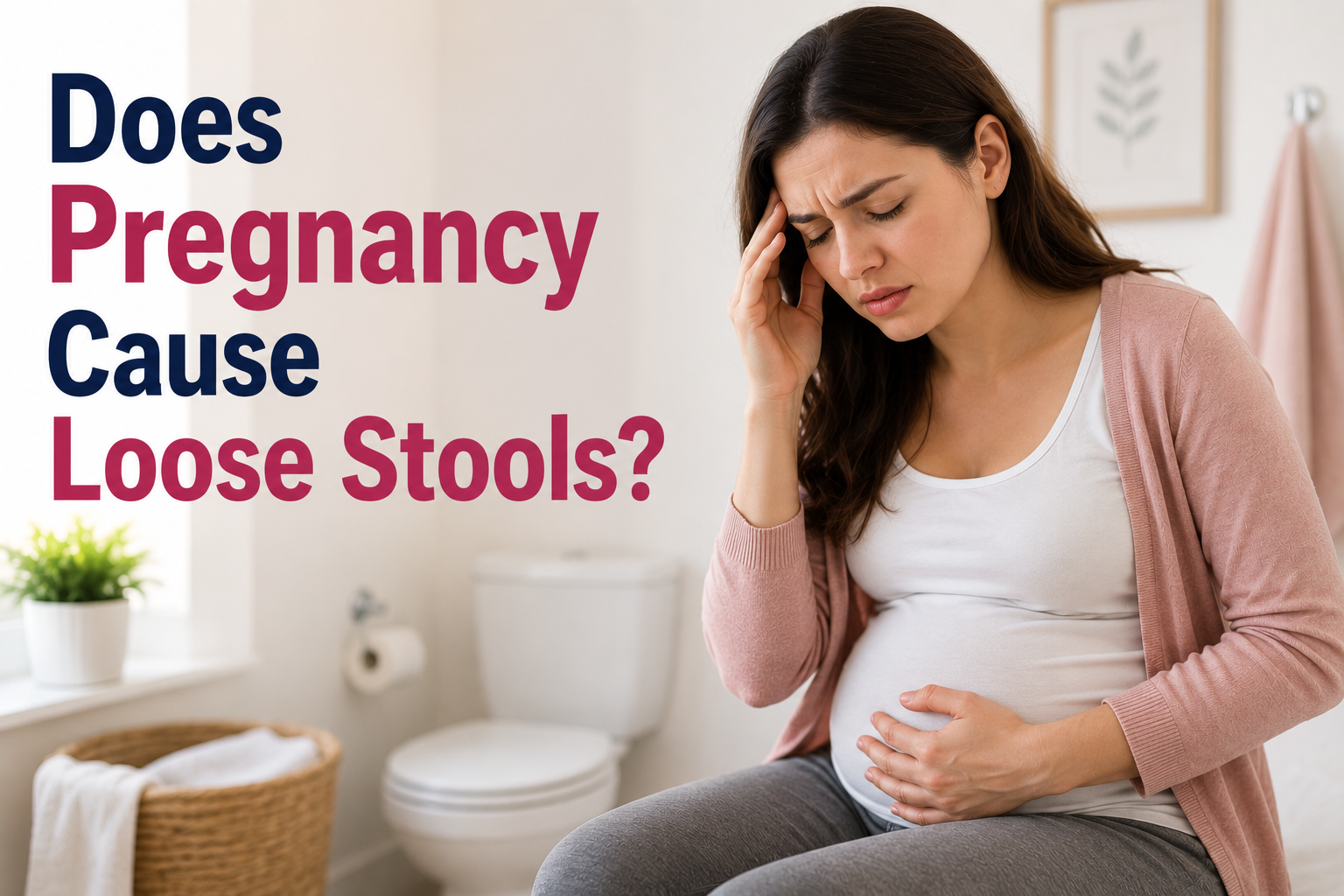
Many expecting mothers notice a change in their bowel habits at some point during pregnancy, and it is natural to wonder what is normal and what is not. The short answer to does pregnancy cause loose stools is yes, it can, and this happens for several reasons connected to hormones, diet, and the body’s natural preparation for childbirth.
Loose stools are especially common in the third trimester, when the body releases higher levels of prostaglandins to help soften and prepare the cervix for labor. However, loose stools during pregnancy can also come from unrelated causes such as food intolerance, stress, or a mild stomach infection.
This guide walks through why it happens, how it changes across each trimester, and when it is simply a normal part of pregnancy versus something that needs medical attention. By the end, you will have a clear, practical understanding of what your body is telling you.
Why Pregnancy Can Cause Loose Stools
There is no single reason behind this symptom; instead, several changes happening in the body work together. The sections below break down the three most common contributors.
Hormonal Changes
Pregnancy hormones, particularly progesterone and prostaglandins, directly affect how the digestive system works. Progesterone relaxes smooth muscle throughout the body, including the intestines, which can sometimes speed up or slow down digestion unpredictably. As pregnancy progresses, especially closer to delivery, a natural rise in prostaglandins can trigger looser bowel movements because these hormones also stimulate intestinal contractions.
Dietary and Prenatal Vitamin Changes
Many women adjust their diet significantly during pregnancy, adding more fruits, vegetables, and fiber to support the baby’s growth, and this shift alone can loosen stools temporarily. Prenatal vitamins, particularly those with high iron or magnesium content, can also affect digestion, sometimes causing constipation and other times causing looser stools depending on the individual’s body and the specific formulation used.
Increased Blood Flow and Digestive Sensitivity
During pregnancy, blood flow increases throughout the body, including to the digestive organs, which can make the gut more sensitive and reactive to foods that were previously well tolerated. This heightened sensitivity means that even mild dietary triggers, like spicy or fatty foods, may cause looser stools than they would outside of pregnancy.
Loose Stools by Trimester
How this symptom shows up often depends on which stage of pregnancy a woman is in. The following breakdown explains what tends to happen in each trimester.
First Trimester
In early pregnancy, loose stools are usually linked to the sudden hormonal shift as progesterone levels rise sharply. Morning sickness, dietary changes, and increased sensitivity to certain smells or foods can also disrupt normal digestion during this stage. Most first-trimester digestive changes settle down once the body adjusts to its new hormonal balance.
Second Trimester
The second trimester is often described as the most comfortable stage, and digestive symptoms tend to be milder here. Some women still experience occasional loose stools due to continued dietary changes or the start of new prenatal supplements. Overall, bowel habits are usually more predictable during this middle stage of pregnancy.
Third Trimester
Loose stools become more noticeable again in the third trimester as the body ramps up prostaglandin production to prepare for labor. Many women report looser bowel movements in the days or even hours before contractions begin, which is the body’s natural way of clearing the digestive tract. This is one of the most common times pregnant women search whether pregnancy causes loose stools, since the connection to labor is strongest here.
Loose Stools as a Sign of Labor
Loose or frequent bowel movements are considered one of the early physical signs that labor may be approaching, particularly when they occur alongside other symptoms like lower back pain, mild cramping, or the loss of the mucus plug.
This happens because rising prostaglandin levels not only help ripen the cervix but also stimulate the intestines. It is important to note that this sign alone does not confirm labor is imminent, since it can appear anywhere from a few days to just hours before contractions start. Tracking it alongside other labor signs gives a much clearer picture than looking at loose stools in isolation.
Other Possible Causes (Not Pregnancy-Related)
Not every case of loose stools during pregnancy is caused by pregnancy itself. The following conditions are common non-pregnancy explanations worth ruling out.
Food Intolerance or Infection
A stomach bug, food poisoning, or a newly developed intolerance to foods like dairy can all cause loose stools regardless of pregnancy status. These causes are usually accompanied by other symptoms such as nausea, vomiting, or stomach cramps that appear suddenly rather than gradually.
Gestational Diabetes or IBS Flare
Women with an existing history of irritable bowel syndrome may notice their symptoms flare up during pregnancy due to hormonal and dietary shifts. In some cases, changes in blood sugar related to gestational diabetes can also influence digestion and bowel regularity.
Stress and Anxiety
The gut and brain are closely connected, and the emotional stress that often comes with pregnancy, especially closer to the due date, can trigger the digestive system to speed up. This stress-related response can produce loose stools even when nothing physical has changed in the diet or hormone levels.
Normal vs. Concerning Symptoms
The table below offers a quick side-by-side comparison to help tell the difference between ordinary pregnancy-related loose stools and symptoms that need prompt medical attention.
| Feature | Normal Pregnancy-Related Loose Stools | Warning Signs to Watch For |
| Frequency | A few loose bowel movements over a day or two | Frequent watery stools lasting more than 2-3 days |
| Accompanying Symptoms | Mild bloating or slight stomach discomfort | Fever, chills, severe cramping, or vomiting |
| Stool Appearance | Soft to watery, no blood or mucus | Blood, mucus, or black tarry stools |
| Hydration Level | Normal urination, no dizziness | Dark urine, dizziness, dry mouth, reduced urination |
| When to Call a Doctor | Not urgent; monitor and stay hydrated | Same day, especially if paired with contractions or reduced fetal movement |
When to See a Doctor
Most cases of loose stools during pregnancy are mild and resolve on their own within a day or two, but certain warning signs should never be ignored.
Contact a doctor promptly if loose stools are accompanied by a high fever, visible blood or mucus in the stool, severe abdominal pain, signs of dehydration such as dizziness or very dark urine, or a noticeable decrease in the baby’s movements.
It is always safer to check in with a healthcare provider rather than assume a symptom will pass, since some conditions can affect both mother and baby if left untreated.
Tips to Manage Loose Stools During Pregnancy
Simple, safe adjustments can often ease this symptom without any medication. The tips below cover diet, hydration, and prenatal vitamin timing.
Dietary Adjustments
Sticking to bland, easily digestible foods like rice, bananas, toast, and boiled potatoes can help firm up stools while the digestive system settles. Reducing greasy, spicy, or overly sugary foods temporarily often brings quick relief without cutting out important nutrients for long.
Hydration and Electrolytes
Loose stools can lead to fluid loss, so drinking plenty of water throughout the day is essential to stay properly hydrated. Adding an oral rehydration solution or electrolyte-rich drink, with a doctor’s approval, can help replace lost minerals more effectively than water alone.
When to Adjust Prenatal Vitamins
If a specific prenatal vitamin seems to be triggering digestive upset, it is worth discussing alternatives or a different dosage schedule with a healthcare provider rather than stopping the supplement altogether. Taking prenatal vitamins with food, rather than on an empty stomach, can also reduce digestive side effects for many women.
• Choose bland, low-fiber foods until symptoms settle
• Drink water consistently throughout the day
• Avoid stopping prenatal vitamins without medical advice
• Rest and reduce stress where possible
FAQs
Is diarrhea in early pregnancy normal? Yes, mild loose stools can occur in the first trimester due to rising hormone levels and dietary changes, and it usually settles on its own.
Can loose stools mean labor is near? Yes, especially in the third trimester, loose stools are often one of the early signs that labor may begin within days or hours.
How long does pregnancy-related diarrhea last? It typically resolves within one to two days; if it continues longer, other causes should be checked with a doctor.
Should I take anti-diarrheal medicine while pregnant? Over-the-counter anti-diarrheal medication should only be used during pregnancy after checking with a healthcare provider first.
Conclusion
So, does pregnancy cause loose stools? In most cases, yes, and it is usually a harmless result of shifting hormones, dietary changes, and the body’s natural preparation for labor. Loose stools tend to be most noticeable in the third trimester and can even serve as an early hint that labor is approaching.
That said, it is important to stay alert to warning signs like fever, blood in the stool, or dehydration, which call for prompt medical care rather than home management. With simple dietary adjustments and good hydration, most pregnant women find this symptom manageable and short-lived. When in doubt, a quick conversation with a healthcare provider offers the most reliable peace of mind.
RELATED POSTS
Can Sciatica Cause Foot Pain? Causes, Symptom, Relief Guide
How to Improve Foot Circulation: Proven Tips That Work
How Many Bones Are in the Human Foot? Complete Anatomy