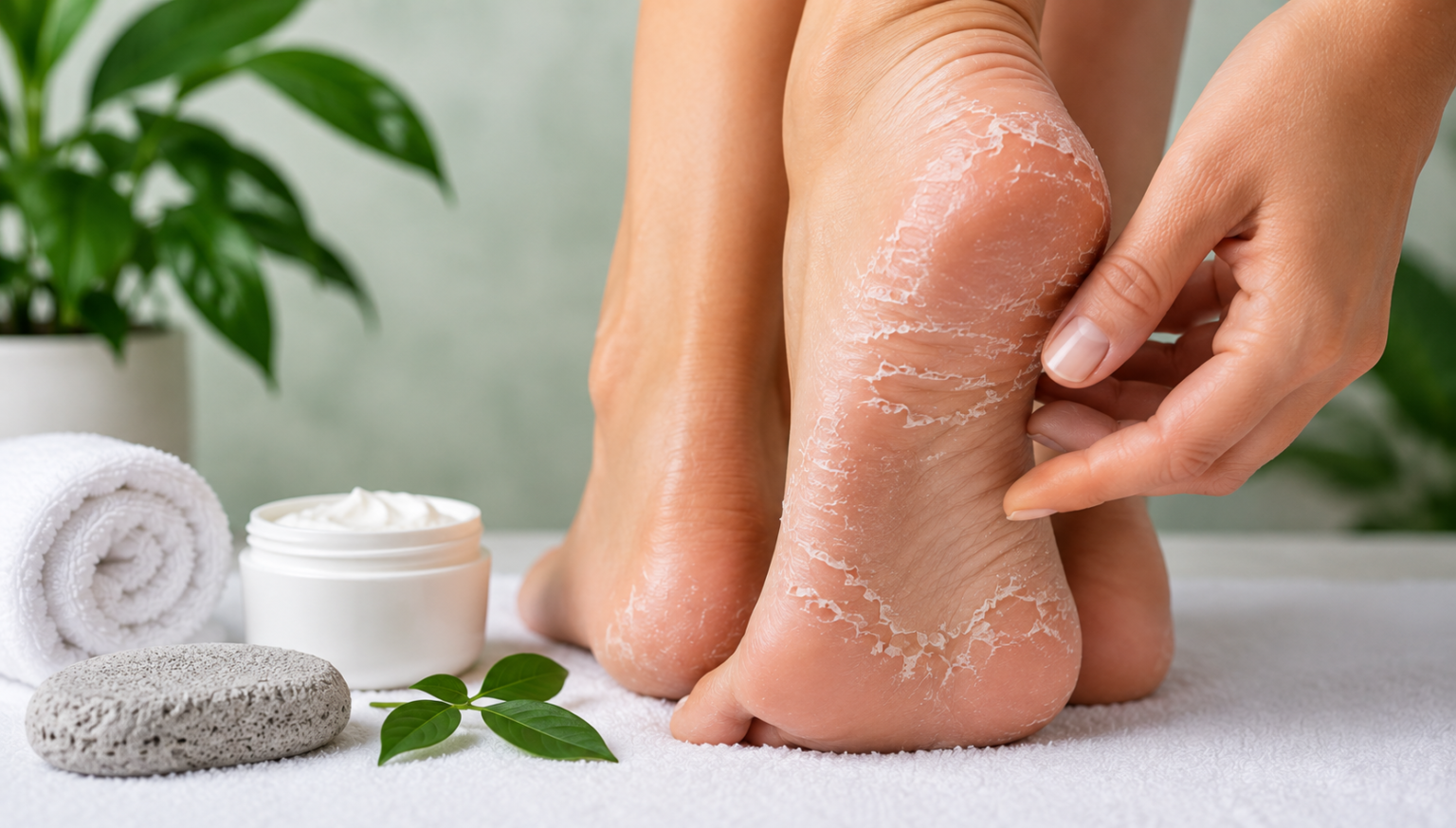
Peeling skin on feet is a common problem that happens when the outer layer of skin dries out, cracks, or sheds due to friction, weather, infection, or lack of moisture. Most people notice flaky patches around the heels, soles, or between the toes, and while it looks alarming, it is usually easy to treat at home.
Understanding how to fix peeling skin on feet starts with identifying the root cause, since dry skin, sunburn, and fungal infections all require slightly different approaches. Once the cause is known, a consistent care routine of soaking, moisturizing, and gentle exfoliation can restore smooth skin within a few weeks. This guide walks through every cause, remedy, and prevention method in detail so you never have to guess what your feet actually need.
Understanding the Causes of Peeling Skin on Feet
Peeling does not happen without a reason, and figuring out what triggered it is the first real step toward healing. Below are the most common causes, explained individually so you can match your symptoms to the right one.
Dry Skin (Xerosis)
Dry skin is by far the most frequent reason feet start peeling, especially around the heels where skin is naturally thicker. It happens when the skin loses moisture faster than it can replace it, often due to hot showers, cold weather, or aging skin. Left untreated, dry skin can crack deeply and become painful to walk on.
Sunburn
Feet exposed to strong sun without protection can burn just like any other part of the body, and the skin peels a few days later as it heals. This type of peeling is temporary and usually resolves on its own, but it needs gentle care to avoid further irritation. Wearing sandals without sunscreen is the most common cause of this issue.
Athlete’s Foot
Athlete’s foot is a fungal infection that thrives in warm, moist environments like sweaty shoes or public showers. It causes peeling, itching, and sometimes a burning sensation, especially between the toes. Unlike dry skin, this type of peeling will not improve with moisturizer alone and needs antifungal treatment.
Excessive Sweating or Moisture (Hyperhidrosis)
Feet that sweat heavily stay damp for long periods, which softens the skin and makes it more likely to peel or blister. This condition, known as hyperhidrosis, often affects people who wear closed shoes for long hours. Keeping feet dry throughout the day helps prevent this type of peeling.
Friction and Ill-Fitting Shoes
Shoes that are too tight or too loose create constant rubbing against the skin, which damages the outer layer and causes it to peel or blister. This is especially common in new shoes or during long walks and workouts. Choosing properly fitted footwear reduces this kind of damage significantly.
Allergic Reactions or Contact Dermatitis
Sometimes peeling is triggered by an allergic reaction to soaps, detergents, socks, or shoe materials that irritate the skin. This is known as contact dermatitis and usually comes with redness and mild swelling alongside the peeling. Identifying and removing the irritant is essential for recovery.
Eczema and Psoriasis
These are chronic skin conditions that can affect the feet and cause persistent peeling, redness, and thickened patches of skin. Unlike simple dryness, eczema and psoriasis often flare up repeatedly and may need long-term management. A dermatologist’s guidance is usually required for these conditions.
Vitamin and Nutrient Deficiencies
A lack of essential vitamins, particularly vitamin A, vitamin B, and zinc, can affect how well the skin repairs itself, leading to dryness and peeling. This cause is often overlooked because it develops slowly over time. Improving diet quality can noticeably improve skin health within weeks.
Weather Changes (Cold/Dry Climate)
Cold, dry air pulls moisture out of the skin much faster than warm, humid conditions, which is why peeling feet are more common in winter. Indoor heating systems make this worse by drying out the air even further. Extra moisturizing is usually needed during these seasonal shifts.
Chemical Exposure (Harsh Soaps, Chlorine)
Strong soaps, chlorinated pool water, and certain cleaning chemicals strip natural oils from the skin, leaving it dry and prone to peeling. Frequent exposure without proper aftercare accelerates this damage over time. Switching to mild, fragrance-free products can prevent further harm.
Symptoms to Watch For
Not all peeling looks the same, and paying attention to accompanying symptoms helps determine whether the issue is minor or needs medical attention.
Normal Peeling vs. Abnormal Peeling
Normal peeling usually appears as small, dry flakes without pain, swelling, or discoloration, and it resolves with basic moisturizing. Abnormal peeling, on the other hand, may come with cracking, bleeding, or a strong odor. If peeling keeps returning despite consistent care, it likely points to an underlying condition.
Signs of Infection
Redness spreading beyond the peeling area, warmth, swelling, or pus are all signs that an infection may be developing. These symptoms should never be ignored, especially in people with diabetes or weakened immune systems. Prompt medical treatment prevents the infection from worsening.
Itching, Burning, or Pain
Peeling accompanied by itching or a burning sensation, particularly between the toes, is a strong indicator of a fungal infection rather than simple dryness. Pain while walking suggests deeper cracks that need more intensive care. These symptoms help narrow down the correct treatment path.
Cracking and Bleeding Skin
When dry skin is left untreated for too long, it can crack deeply enough to bleed, which increases the risk of infection. This is common around the heels due to the pressure placed on them while standing or walking. Deep cracks require thicker, occlusive moisturizers and sometimes medical-grade creams.
Home Remedies to Fix Peeling Skin on Feet
Most cases of peeling feet can be treated effectively at home using simple, inexpensive methods that restore moisture and remove dead skin safely.
Warm Water Soaks
Soaking feet in warm water for ten to fifteen minutes softens hardened, flaky skin and makes it easier to remove without causing damage. Adding a mild soap or a tablespoon of Epsom salt can enhance the softening effect. This step should always come before exfoliating for the best results.
Exfoliation with Pumice Stone
After soaking, gently rubbing a pumice stone over rough areas removes dead skin without harming the healthy layer underneath. It is important to use light pressure and avoid over-scrubbing, which can worsen peeling. This should be done no more than two to three times a week.
Moisturizing Routine
Applying a thick moisturizer immediately after washing locks in hydration while the skin is still slightly damp. Ingredients like urea, lactic acid, and shea butter are particularly effective for repairing dry, peeling skin. Consistency matters more than the specific brand used.
Coconut Oil and Natural Oils
Coconut oil, along with olive oil and almond oil, contains fatty acids that help repair the skin barrier and reduce moisture loss. These oils are especially useful for overnight treatments when applied generously before bed. Natural oils also have mild antibacterial properties that support healing.
Oatmeal Soaks for Soothing Skin
Oatmeal has anti-inflammatory properties that calm irritated, peeling skin while also providing gentle exfoliation. Blending oats and adding them to a warm foot soak creates a soothing treatment for sensitive feet. This remedy works particularly well for peeling caused by allergic reactions.
Aloe Vera for Healing
Aloe vera gel cools and hydrates damaged skin while supporting the natural healing process, making it ideal for sunburned or irritated feet. Applying fresh gel directly to the affected area provides quick relief from tightness and flaking. Regular use also helps reduce redness over time.
Honey as a Natural Moisturizer
Honey has natural humectant properties, meaning it draws moisture into the skin and helps retain it. Applying a thin layer to peeling areas and leaving it on for fifteen to twenty minutes before rinsing can noticeably soften rough patches. Its mild antibacterial nature also supports skin repair.
Overnight Foot Mask
Applying petroleum jelly generously and covering feet with soft cotton socks overnight creates a barrier that locks in moisture while you sleep. This method is one of the most effective home solutions for how to fix peeling skin on feet quickly. Repeating it nightly for a week usually shows visible improvement.
Medical and Over-the-Counter Treatments
When home remedies are not enough, especially for infections or chronic conditions, medical treatments provide faster and more targeted relief.
Antifungal Creams
For peeling caused by athlete’s foot, over-the-counter antifungal creams containing clotrimazole or terbinafine are usually effective within two to four weeks. These should be applied consistently, even after symptoms improve, to fully clear the infection. Keeping feet dry alongside treatment speeds up recovery.
Hydrocortisone Cream
If peeling is linked to eczema or an allergic reaction, a mild hydrocortisone cream can reduce inflammation and itching. This should be used sparingly and only for short periods unless directed otherwise by a doctor. It works best when paired with a fragrance-free moisturizer.
Urea-Based Prescription Creams
For severe dryness and cracking, dermatologists often prescribe stronger urea-based creams with higher concentrations than over-the-counter options. These creams break down thickened, dead skin more effectively while deeply hydrating the layers beneath. They are especially useful for long-term cracked heel issues.
When to See a Dermatologist
If peeling persists for more than two to three weeks despite consistent home care, it is time to consult a dermatologist for a proper diagnosis. Chronic conditions like psoriasis or eczema often need prescription treatment rather than home remedies alone. Early professional care also prevents complications like infection.
Step-by-Step Daily Foot Care Routine
Building a simple daily habit makes a bigger difference than occasional treatment, since skin repairs itself gradually over time.
| Time | Routine Step | Purpose |
| Morning | Apply lightweight moisturizer after washing | Locks in hydration for the day |
| Morning | Wear clean, breathable socks | Reduces friction and moisture buildup |
| Evening | Soak feet in warm water for 10-15 minutes | Softens rough, dry skin |
| Evening | Exfoliate gently with pumice stone (2-3x weekly) | Removes dead skin safely |
| Night | Apply thick cream or oil, cover with cotton socks | Deep overnight repair |
Following this schedule consistently, rather than only treating feet when peeling becomes noticeable, prevents the problem from returning in the first place.
Diet and Lifestyle Tips for Healthy Skin
Skin health is not only about what you apply externally but also what you consume, since nutrients play a direct role in repair and regeneration.
Foods Rich in Vitamin A, C, and E
Vitamin A supports skin cell turnover, vitamin C boosts collagen production, and vitamin E protects against damage, making all three essential for healthy feet. Foods like carrots, citrus fruits, spinach, and almonds are excellent natural sources. Including these regularly in your diet supports long-term skin resilience.
Importance of Hydration
Drinking enough water throughout the day keeps skin hydrated from the inside out, reducing the likelihood of dryness and peeling. Dehydration often shows up first in areas like the feet and hands, where skin is naturally drier. Aiming for at least eight glasses of water daily supports overall skin function.
Omega-3 Fatty Acids for Skin Repair
Omega-3 fatty acids, found in fish, flaxseeds, and walnuts, help maintain the skin’s natural barrier and reduce inflammation. A diet low in these fats can make skin more prone to dryness and slow healing. Adding omega-3 sources a few times a week supports faster recovery from peeling.
Preventing Peeling Skin on Feet
Prevention is far easier than treatment, and small daily adjustments can keep feet healthy long term.
Choosing the Right Footwear
Shoes that fit properly, with enough room for toes and adequate cushioning, reduce friction that leads to peeling and blisters. Rotating between different pairs also prevents excessive pressure on the same areas. Avoiding worn-out shoes with damaged soles is equally important.
Wearing Breathable Socks
Cotton or moisture-wicking socks help keep feet dry throughout the day, reducing the risk of fungal infections and excessive sweating. Changing socks daily, or more often if feet sweat heavily, supports better skin condition. This is a simple habit with a noticeable long-term impact.
Sun Protection for Feet
Applying sunscreen to feet before wearing sandals prevents sunburn-related peeling, which is often overlooked compared to other exposed body parts. Reapplying every two hours during extended outdoor time offers better protection. This small step avoids a completely preventable cause of peeling.
Avoiding Harsh Soaps and Hot Water
Hot water and strong, fragranced soaps strip natural oils from the skin faster than warm water and mild cleansers. Switching to gentler products preserves the skin barrier and reduces dryness over time. This is especially important for people who shower frequently.
Regular Moisturizing Habits
Making moisturizing a non-negotiable daily habit, rather than an occasional fix, is the single most effective way to prevent peeling from returning. Applying cream right after bathing, when skin is still damp, maximizes absorption. Long-term consistency matters more than product price or brand.
Common Mistakes to Avoid
Even well-intentioned care routines can backfire if certain habits are not corrected.
Picking or Peeling Skin Manually
Pulling off peeling skin by hand can tear healthy skin underneath, leading to pain, bleeding, and a higher risk of infection. It is always better to let a pumice stone gently remove dead skin after soaking. Patience prevents unnecessary damage.
Over-Exfoliating
Exfoliating too often strips away skin that is still healing, which can worsen peeling instead of fixing it. Limiting exfoliation to two or three times a week gives skin enough time to recover between sessions. More is not always better when it comes to skin repair.
Ignoring Persistent Symptoms
Assuming peeling will simply go away on its own, even after weeks of no improvement, often allows underlying conditions to worsen. Persistent symptoms deserve proper attention rather than continued home treatment alone. Early evaluation saves time and discomfort later.
Using Expired or Harsh Products
Old or heavily fragranced skincare products can irritate already sensitive, peeling skin and slow down recovery. Checking expiration dates and choosing fragrance-free, dermatologist-tested products reduces this risk. Simpler formulations are usually safer for damaged skin.
When to See a Doctor
While most peeling feet issues resolve with home care, certain signs mean professional evaluation is necessary rather than optional.
Signs of Infection
Increasing redness, warmth, swelling, or discharge around peeling skin are clear signs that medical treatment is needed without delay. Infections can spread quickly if left untreated, particularly in people with compromised immune systems. A doctor can prescribe appropriate antibiotics or antifungals based on the cause.
Chronic or Recurring Peeling
If peeling keeps returning every few weeks despite consistent care, it likely points to a chronic skin condition rather than simple dryness. Conditions like eczema and psoriasis require tailored, often long-term treatment plans. A dermatologist can confirm the diagnosis and adjust care accordingly.
Underlying Health Conditions
Conditions like diabetes and thyroid disorders can affect skin health and circulation, making feet more prone to peeling and slower to heal. People with diabetes especially need to monitor foot skin closely due to the risk of complications. Regular checkups help catch these issues early.
Frequently Asked Questions
Is peeling skin on feet contagious? Peeling itself is not contagious, but if it is caused by a fungal infection like athlete’s foot, the fungus can spread to others through direct contact or shared surfaces.
Can peeling skin heal on its own? Mild peeling from dryness or sunburn often heals on its own within one to two weeks with basic care, but infections or chronic conditions typically need targeted treatment.
How long does it take to heal? With consistent moisturizing and proper care, most cases improve within two to three weeks, though severe cracking or infections may take longer.
Can diabetes cause peeling feet skin? Yes, diabetes can reduce circulation and moisture retention in the skin, making peeling and slow healing more common in the feet.
Is peeling skin a sign of dehydration? Dehydration can contribute to dry, peeling skin since the body prioritizes water for internal organs over the skin, making external hydration and moisturizing especially important.
Conclusion
Peeling skin on feet is usually a manageable issue once the underlying cause is identified and addressed with the right combination of soaking, moisturizing, and gentle exfoliation. Simple daily habits, proper footwear, and a nutrient-rich diet go a long way in preventing the problem from returning.
For most people, learning how to fix peeling skin on feet is less about finding one perfect product and more about staying consistent with basic care. However, when symptoms persist, worsen, or show signs of infection, seeking a dermatologist’s guidance ensures the right treatment is applied before the issue becomes more serious.
RELATED POSTS
Are Blue Eyes More Sensitive to Light? Science-Backed Guide
How to Relieve Hip Pain from Sleeping on Side: Easy Fixes
How Much Does Laser Eye Surgery Cost? Full 2026 Price Guide