
Experiencing pain in arms after a sneeze can be startling and confusing, especially when it strikes without warning. This sudden discomfort may range from a mild, fleeting ache to a sharp, intense sensation that raises concern.
In this guide, we’ll explore the Types of Arm Pain After Sneezing and take a closer look at Left Arm Pain After Sneezing — When Is It Serious? to help you understand what your body might be telling you.
What Happens to Your Body During a Sneeze?
A sneeze is a powerful, full-body reflex that triggers an explosive blast of air through the nose and mouth, sometimes reaching speeds over 100 mph, creating an intense wave of pressure throughout your entire system.
Your chest muscles contract sharply, your diaphragm thrusts upward, and your throat, neck, and spinal nerves experience a sudden jolt of force in a split second.
This rapid pressure surge travels through your muscles, joints, and nerve pathways — which is why many people experience pain in arms after a sneeze, especially when an underlying nerve or muscle issue is present.
Types of Arm Pain After Sneezing
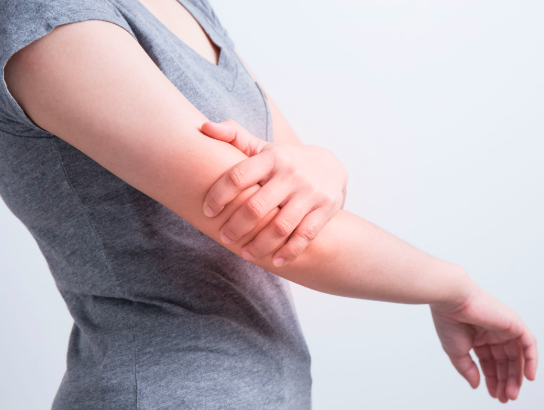
Not all arm pain after sneezing feels the same — the type, location, and intensity of discomfort can vary greatly depending on the underlying cause. Understanding the different types can help you identify what’s really going on with your body.
- Sharp, Shooting Pain: This is one of the most common types reported after sneezing, where a sudden electric-like jolt shoots down one or both arms. It typically indicates nerve involvement, often linked to a pinched nerve or herniated disc in the cervical spine that gets aggravated by the pressure of a sneeze.
- Dull, Aching Pain: A heavy, lingering ache in the arms after sneezing usually points to muscle strain or tension. When the chest and neck muscles contract forcefully during a sneeze, already-tight or overworked muscles can respond with a dull, throbbing discomfort that may last several minutes.
- Tingling or Numbness: Some people experience a pins-and-needles sensation or temporary numbness running through the arm or fingers after a sneeze. This often signals nerve compression, particularly in the neck or shoulder region, where the sudden pressure spike briefly disrupts normal nerve signaling.
- Burning Pain: A burning sensation along the arm after sneezing can indicate nerve irritation or inflammation, commonly associated with conditions like cervical radiculopathy, where spinal nerve roots are compressed or damaged.
- Left Arm Pain Specifically: Left arm pain after sneezing deserves special attention as it can sometimes be associated with cardiac-related concerns, though it is more commonly caused by nerve or muscle issues on the left side. This type should never be ignored, especially if accompanied by chest tightness or shortness of breath.
6 Causes of Pain in Arms After Sneezing
Arm pain after sneezing rarely happens without a reason — below we’ll discuss the most common causes that trigger this sudden and often alarming discomfort.
Pinched Nerve (Cervical Radiculopathy)
A compressed nerve in the cervical spine can send sharp, shooting pain down the arm the moment a sneeze creates a pressure spike. The forceful jolt of sneezing aggravates the already irritated nerve root, causing instant discomfort.
Herniated Disc
A bulging or ruptured disc in the neck puts pressure on surrounding nerves, and the explosive force of a sneeze can intensify that pressure dramatically. This often results in sudden arm pain, tingling, or weakness immediately after sneezing.
Muscle Strain or Tension
Overworked or tight muscles in the neck, shoulder, and chest can be pushed beyond their limit during the forceful contraction of a sneeze. The result is a sharp or aching pain that radiates into one or both arms.
Thoracic Outlet Syndrome
This condition occurs when nerves or blood vessels between the collarbone and first rib become compressed, causing arm pain during sudden physical movements like sneezing. The pressure spike from a sneeze can trigger immediate pain, numbness, or weakness in the arm.
Poor Posture
Slouching or forward head posture places chronic stress on the cervical spine and surrounding nerves, making the arms vulnerable to pain during any sudden forceful movement. A sneeze in this misaligned position can easily trigger sharp discomfort running down the arm.
Rotator Cuff Injury
An existing rotator cuff tear or inflammation in the shoulder can flare up during a sneeze due to the sudden muscle contractions involved. This causes localized shoulder and upper arm pain that may radiate further down with the force of the sneeze.
Left Arm Pain After Sneezing — When Is It Serious?

Left arm pain after sneezing is something you should never ignore — below we’ll discuss exactly when this symptom becomes a serious medical concern.
- When the Pain Is Severe and Sudden: If left arm pain after sneezing is severe, persistent, or accompanied by numbness, chest pain, or shortness of breath, treat it as a medical emergency immediately. A single intense episode that feels unusual is already a strong warning sign worth taking seriously.
- When Chest Pain Accompanies It: Left arm pain paired with chest tightness or pressure after sneezing is a combination strongly associated with cardiac events. Never ignore this combination — call emergency services without hesitation.
- When Shortness of Breath Is Present: If sneezing triggers left arm pain along with breathlessness, dizziness, or unusual fatigue, these are serious red flag symptoms that go beyond a simple nerve or muscle issue. This combination warrants urgent medical attention right away.
- When Pain Is Persistent and Recurring: If the pain is severe, persistent, or accompanied by numbness, chest pain, or shortness of breath across multiple episodes, it demands immediate medical investigation. Recurring patterns should never be left untreated as early intervention can be life-saving.
Pain in Specific Parts of the Arm After Sneezing
Arm pain after sneezing doesn’t always affect the entire arm — below we’ll discuss how discomfort targets specific parts depending on the nerve or muscle involved.
Upper Arm Pain After Sneezing
Upper arm pain is commonly caused by sudden pressure shifts that aggravate a pinched nerve or strain muscles in the neck and shoulders, radiating pain down the arm during a sneeze.
Lower Arm Pain After Sneezing
Pain in the lower arm occurs when pressure shifts aggravate cervical radiculopathy, causing radiating pain that travels past the elbow into the forearm, often with tingling or weakness.
Shoulder and Arm Pain After Sneezing
Sudden pressure shifts that strain muscles in the neck and shoulders make the entire shoulder-to-arm region ache instantly, especially if a rotator cuff injury is already present.
Elbow Pain After Sneezing
Radiating nerve pain from a compressed cervical nerve root can settle around the elbow, with the sudden jolt of sneezing amplifying irritation and causing a sharp or burning sensation.
Hand and Finger Pain After Sneezing
Pain, tingling, or numbness reaching the hands and fingers strongly indicates cervical radiculopathy, where compressed nerves send discomfort all the way to the fingertips after sneezing.
Treatment Options for Arm Pain After Sneezing
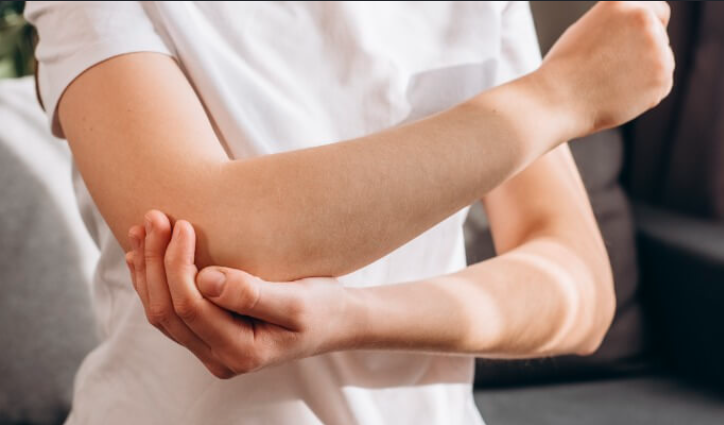
Most cases of arm pain after sneezing respond well to simple home-based care — below we’ll discuss the most effective treatment options to relieve and prevent this discomfort.
- Rest: Giving your body adequate rest after experiencing arm pain from sneezing allows inflamed nerves and strained muscles to recover naturally. Avoiding sudden movements or heavy lifting during this period prevents further aggravation.
- Ice and Heat Therapy: Applying ice within the first 48 hours helps reduce inflammation and numb sharp pain in the affected arm. Switching to heat therapy afterward relaxes tense muscles in the neck and shoulders that may be compressing nearby nerves.
- OTC Anti-Inflammatories: Over-the-counter medications like ibuprofen or naproxen effectively reduce nerve inflammation and muscle soreness causing arm pain after sneezing. Always follow recommended dosages and consult a doctor if pain persists beyond a few days.
- Gentle Stretching: Gentle neck and shoulder stretches reduce chronic nerve compression that makes arms vulnerable to pain during sneezing. Simple daily stretches can make a significant difference in both preventing and relieving recurring discomfort over time.
Exercises to Prevent Arm Pain After Sneezing
Regular targeted exercises can strengthen muscles and decompress nerves responsible for arm pain after sneezing — below we’ll discuss the most effective moves to prevent this discomfort.
Chin Tucks
Chin tucks strengthen deep cervical muscles and correct forward head posture that places chronic pressure on cervical nerves causing arm pain. Pull your chin straight back, hold for 5 seconds, and repeat 10 times daily.
Neck Side Stretches
Gently tilting your head toward each shoulder stretches tight neck muscles that compress nerves and trigger arm pain after sneezing. Hold each side for 20 to 30 seconds and repeat twice daily.
Shoulder Rolls
Rolling your shoulders forward and backward loosens tension in the upper back and shoulder muscles that contribute to nerve compression and radiating arm pain. Perform 10 slow controlled rolls in each direction daily.
Doorway Chest Stretch
Pressing your arms against a doorframe opens up the chest and relieves thoracic tension that can radiate pain into the arms during sneezing. Hold for 20 to 30 seconds and repeat two to three times daily.
Nerve Gliding Exercises
Nerve gliding exercises gently mobilize compressed cervical nerves, reducing their sensitivity to sudden pressure changes triggered by sneezing. Perform slowly and carefully, ideally under guidance from a physical therapist.
Upper Trapezius Stretch
Gently pulling your head to one side while keeping the opposite shoulder down stretches the upper trapezius muscle that frequently contributes to arm pain after sneezing. Hold for 20 to 30 seconds on each side daily.
When to See a Doctor?

While mild arm pain after sneezing often resolves on its own, certain symptoms signal that professional medical attention is necessary — below we’ll discuss the key warning signs you should never ignore.
Pain That Is Severe or Persistent
If arm pain after sneezing is intense, does not improve within a few days, or keeps recurring with every sneeze, it is time to consult a doctor for a proper diagnosis. Persistent pain rarely resolves on its own and often indicates an underlying condition that requires medical treatment.
Numbness or Tingling That Won’t Go Away
Lingering numbness or tingling running from the neck down to the fingers after sneezing strongly suggests nerve compression that needs professional evaluation. Ignoring this symptom can lead to permanent nerve damage if left untreated.
Left Arm Pain With Chest Tightness
Left arm pain accompanied by chest pressure, tightness, or shortness of breath after sneezing should be treated as a medical emergency immediately. Do not wait or self-diagnose — call emergency services right away.
Weakness in the Arm or Hand
Sudden weakness in the arm, hand, or fingers following a sneeze indicates significant nerve or spinal involvement that requires urgent medical attention. This symptom should never be dismissed as it can worsen rapidly without proper treatment.
Pain Following an Injury
If arm pain after sneezing develops shortly after a neck or back injury, a doctor should evaluate the spine for disc damage or nerve compression immediately. Sneezing places enormous pressure on the spine and can worsen an existing injury significantly.
FAQs
Can sneezing cause a slipped disc in the neck?
While sneezing alone rarely causes a slipped disc, the sudden intense pressure can trigger or worsen an already weakened disc in the cervical spine. If you experience sharp arm pain immediately after sneezing, an existing disc issue may have been aggravated.
Is arm pain after sneezing more common in older adults?
Yes, aging naturally leads to disc degeneration and reduced spinal flexibility that makes nerves more vulnerable to pressure during a sneeze. The same sneeze that causes no discomfort at 25 can trigger significant nerve pain at 55.
Can stress or anxiety make arm pain after sneezing worse?
Stress causes chronic muscle tension in the neck and shoulders, increasing nerve compression and making arm pain after sneezing more likely and intense. Managing stress through relaxation techniques can noticeably reduce the frequency of this discomfort.
Does sneezing technique affect arm pain?
Yes, sneezing forcefully with a stiff neck increases the pressure spike that aggravates cervical nerves and triggers arm pain. Sneezing into your elbow with a slightly relaxed posture can significantly reduce this pressure.
Can dehydration contribute to arm pain after sneezing?
Dehydration reduces fluid content in spinal discs, making them thinner and more likely to compress nearby nerves during a forceful sneeze. Staying well hydrated daily helps maintain disc health and reduces nerve-related arm pain.
How long does arm pain after sneezing typically last?
Mild arm pain from muscle strain or minor nerve irritation usually resolves within a few minutes to a couple of hours. Pain lasting more than 48 hours or recurring consistently with every sneeze warrants a medical evaluation.
Conclusion
Arm pain after sneezing is usually caused by nerve pressure or muscle strain and can often be relieved with rest, heat and ice therapy, OTC anti-inflammatories, and gentle stretching.
However, if pain is severe, persistent, or accompanied by numbness, chest pain, or shortness of breath, seek medical attention immediately.
Maintaining good posture and regular neck exercises are your best long-term defense against this condition.
Related posts
How Much Is SRT Therapy for Skin Cancer? Prices, Insurance & What to Expect
Wisdom Tooth Pain? Get Instant Relief with These Proven Remedies Today
How to get rid of crunching sound in neck?
What Causes Lower Back Pain in Females? Complete Guide with Treatment Tips
Does Impact Health Cover IVF? Complete Guide to Fertility Treatment Coverage